What happened
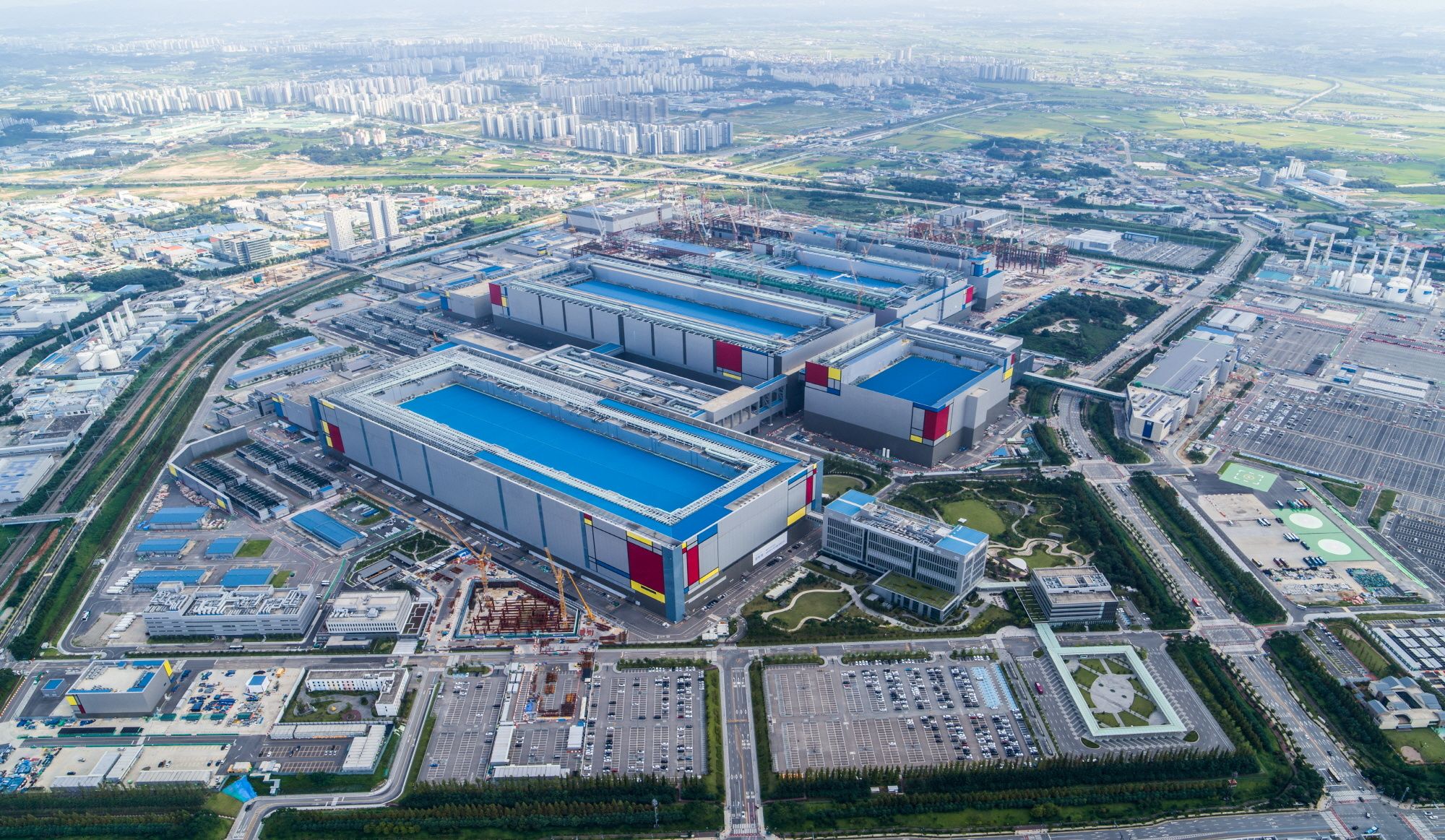
Samsung's chipmaking division posted a 250-fold increase in quarterly operating profit as semiconductor demand surged, while Meta announced lower-than-anticipated revenue forecasts and predicted over $130 billion in capital expenditure this year—triggering an 11% share drop. Alphabet also reported negative free cash flow last month for the first time due to heavy AI investment.
Why it matters
The divergence reveals a structural split in the AI buildout: chip suppliers are capturing outsized gains from demand, while the companies deploying AI at scale face mounting pressure on profitability and cash reserves. Meta's $8 billion hit to free cash flow signals that AI infrastructure costs are now a material constraint on financial performance for major platforms.
What to watch
Investors must evaluate whether Meta's expanding AI initiatives represent genuine business diversification or unsustainable capital burn. The sustainability of current AI spending trajectories—and which companies can absorb the costs—will shape the next phase of the buildout.
Summaries like this, in your inbox every morning.
The AI buildout is generating starkly different outcomes across the supply chain. Samsung's 250-fold increase in chipmaking operating profit underscores the concentrated gains flowing to semiconductor suppliers as the race to build AI infrastructure intensifies. Conversely, the companies actually deploying this infrastructure—Meta and Alphabet—are absorbing massive capital costs that are now visible on their balance sheets and in their free cash flow.
Meta's situation is particularly acute. The company's projection of over $130 billion in capital expenditure this year, paired with an $8 billion reduction in free cash flow and lower revenue guidance, suggests that AI spending is outpacing near-term revenue generation. Alphabet's recent slide into negative free cash flow for the first time signals the same underlying pressure. This dynamic raises a critical question for investors: whether these AI investments will eventually drive revenue growth sufficient to justify their scale, or whether they represent a structural shift in how these companies allocate capital without corresponding near-term returns. The analyst quoted in the body frames this precisely—Meta's executives must demonstrate that their expanding AI initiatives constitute real business diversification rather than capital-intensive distraction.
Pick your industry and the AI tools you use, and get news related to your work every day.
Free · 30 seconds with Google · unsubscribe anytimeWhat is AIToday? →
Ask AI anything about this article. The AI reads this article, earlier AIToday articles, and Wikipedia, and cites its sources. Q&As are published on this page for other readers too.
Chunghwa Telecom president Rong-shy Lin said the shift from conversational AI to autonomous AI agents is resha…
CoreWeave fell 5% in premarket trading Friday and was on track to finish the week down 15%, after rebounding f…
Apple and Meta said they would jointly release a new open-weight AI model designed to run on high-end Macs, ai…

Investors put $38.5 billion into Asian startups in Q3, per Crunchbase data

A longtime Anthropic investor told Fortune he expects shares priced around $1.8 trillion, below the company's…

In Q2, billionaires or their funds sold six 'Magnificent Seven' AI stocks