What happened
An AWS blog post details a reference architecture using the Denodo Platform and Amazon Bedrock AgentCore to federate Amazon Aurora, Amazon Redshift, and an on-premises PostgreSQL database into a customer 360 view an agent queries in VQL, with per-user row and column filters enforced at the semantic layer.
Why it matters
It shows a way to give AI agents live access to data across cloud and on-premises systems without moving that data, while keeping each user's row and column restrictions in place at query time—an approach that could reduce the need to copy data into a separate store for agent use.
Summaries like this, in your inbox every morning.
The post builds on a previous article in the series that used Stardog's knowledge graph as the semantic layer over Amazon Aurora and Amazon Redshift. This time the semantic layer is the Denodo Platform, and the source mix adds an on-premises PostgreSQL database, so the federation problem extends beyond an Amazon Virtual Private Cloud. The customer 360 schema stays the same, but the rewards_account table is moved from Aurora to the on-premises cluster, representing data from a third-party application. Denodo plans the federated query at execution time, pushing joins and aggregations to each source and combining the results inside Denodo, so no data moves between engines. The architecture also addresses identity: the end user's identity flows from the enterprise identity provider through AgentCore Identity On-Behalf-Of token exchange to Denodo, where Global Security Policies enforce row and column filters per caller. This design keeps access control at the semantic layer rather than in the agent's code or the model, which the post suggests reduces the risk of bypass through prompt injection. The post also notes that Denodo exposes the same view over multiple protocols, including JDBC, ODBC, GraphQL, and OData, and that Denodo joined Apache Ossie (incubating) in March 2026, a vendor-neutral specification for semantic metadata, though it is at an early stage.
Pick your industry and the AI tools you use, and get news related to your work every day.
Free · 30 seconds with Google · unsubscribe anytimeWhat is AIToday? →
Ask AI anything about this article. The AI reads this article, earlier AIToday articles, and Wikipedia, and cites its sources. Q&As are published on this page for other readers too.
ASI Inc., formerly Air Space Intelligence, raised a $325 million Series C led by Spark Capital, valuing it at…

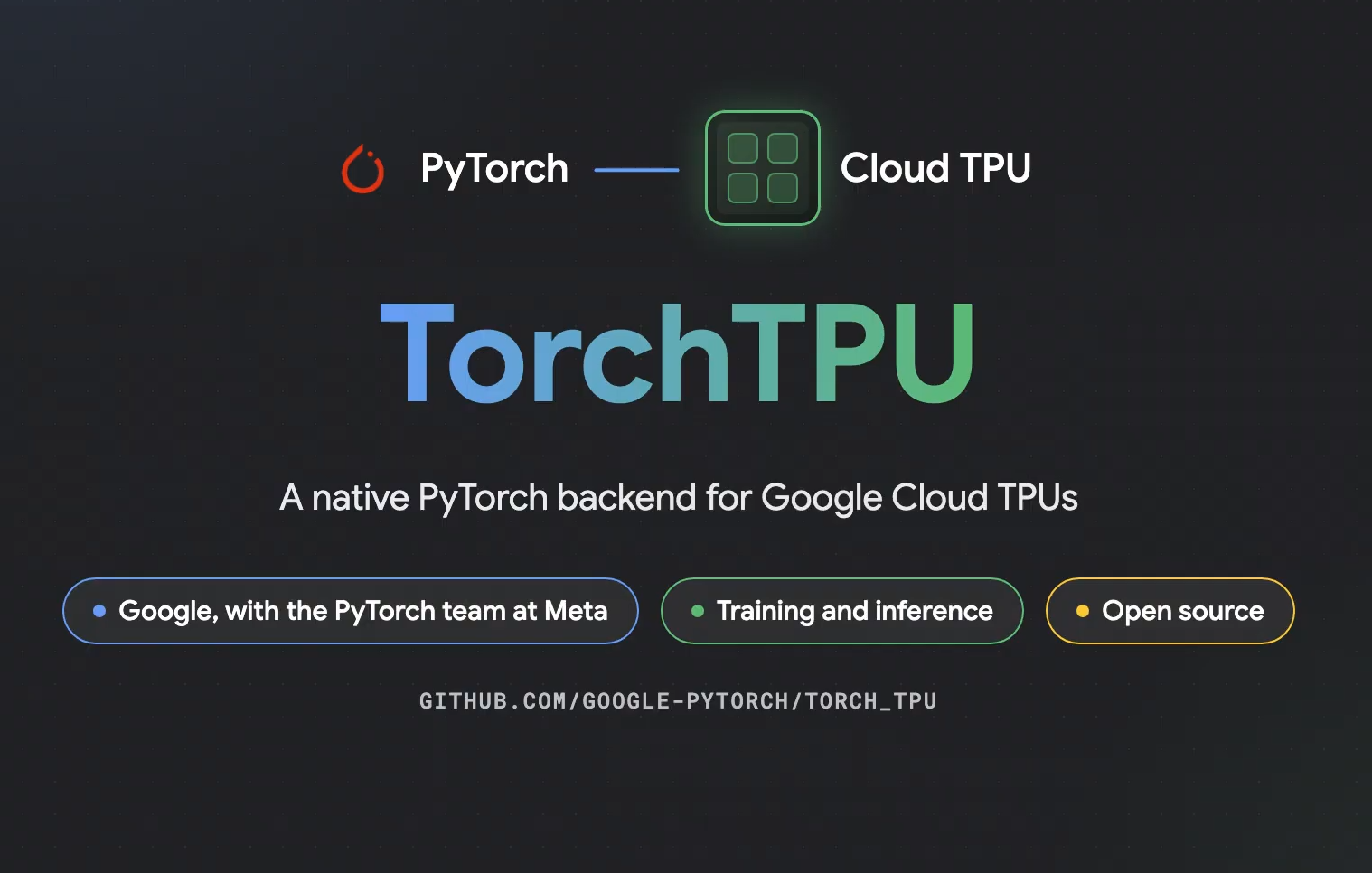
Google released TorchTPU, a version of the PyTorch framework that lets developers run existing AI apps and mod…
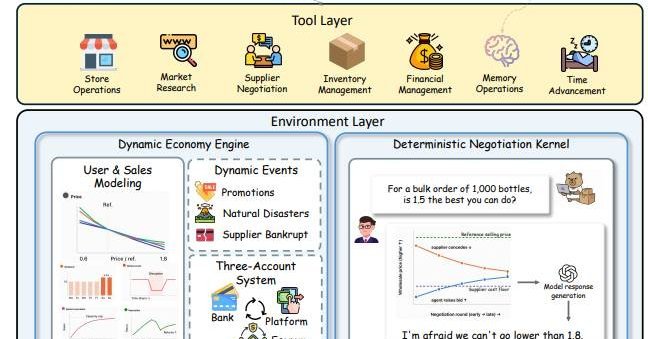
In a benchmark called E-Commerce Bench, 18 AI models ran up to four simulated shops for 365 days, using 18 too…
ITmedia's AI Plus released a 14-page booklet on using Gemini Notebook's (formerly NotebookLM) Studio feature…

Axon stock is down 54% from its 2025 peak and 30% year-to-date, even as the iShares Expanded Tech-Software Sec…

IBM Research's ALTK-Evolve turns each customer-service agent trial into short action rules and injects them in…


