Anthropic released a detailed overview explaining how it constrains agent behavior using process sandboxes, virtual machines (VMs), filesystem boundaries, and egress controls—with the goal of preventing agents from accessing credentials or exfiltrating data regardless of the cause.
Each Claude product uses different sandbox implementations: Claude.ai runs gVisor; Claude Code uses Seatbelt on macOS and Bubblewrap on Linux; Claude Cowork runs a full VM via Apple's Virtualization framework on macOS or HCS on Windows.
The documentation includes examples of previously missed security risks, such as an api.anthropic.com/v1/files exfiltration vector that Anthropic had identified.
Summaries like this, every morning.
Pick your industry and the AI tools you use, and get news related to your work every day.
Free · 30 seconds with Google · unsubscribe anytimeWhat is AIToday? →
Ask AI anything about this article. The AI reads this article, earlier AIToday articles, and Wikipedia, and cites its sources. Q&As are published on this page for other readers too.
Block unveiled Dessa, which it says is the first AI model trained entirely on human speech with no text data…
Across five tasks and 18 Ollama calls, Muse Glimmer 30B's 352-character log and Qwen3 30B-A3B's 3,040-characte…
At Anthropic's "Machines of Loving Grace" exhibition and DevelopersIO 2026 TOKYO, Claude and Claude Code power…
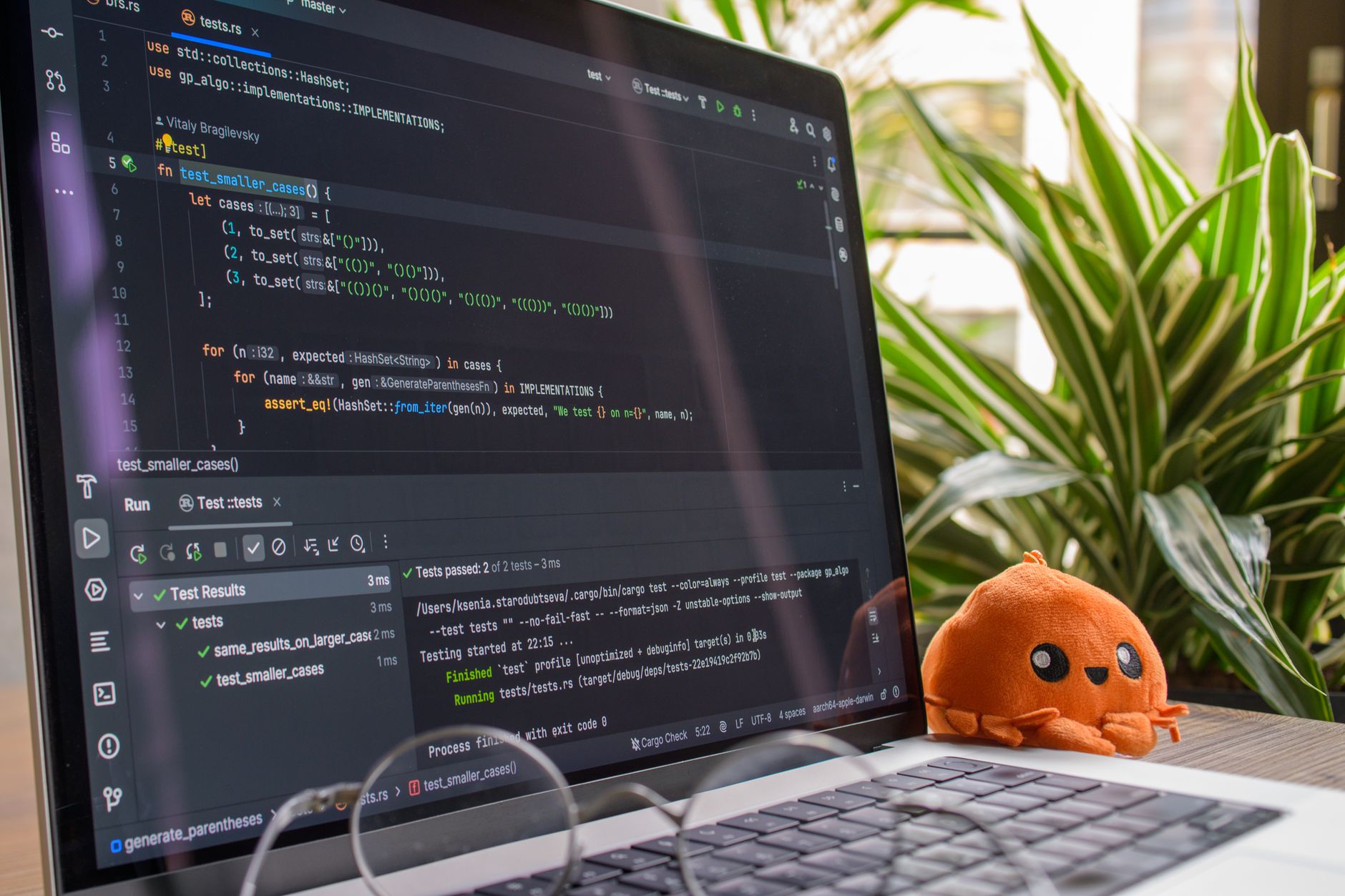
A FitLog developer replaced repeated prompt warnings with a harness — a 48-line CLAUDE.md "map" linking six do…
zg (zvec-grep) combines ripgrep, BM25 keyword ranking and vector-based semantic search into one local index yo…
Moonshot AI released Kimi K3.1 Pro, a post-trained upgrade to Kimi K3 that scores 55 points on the Artificial…