What happened
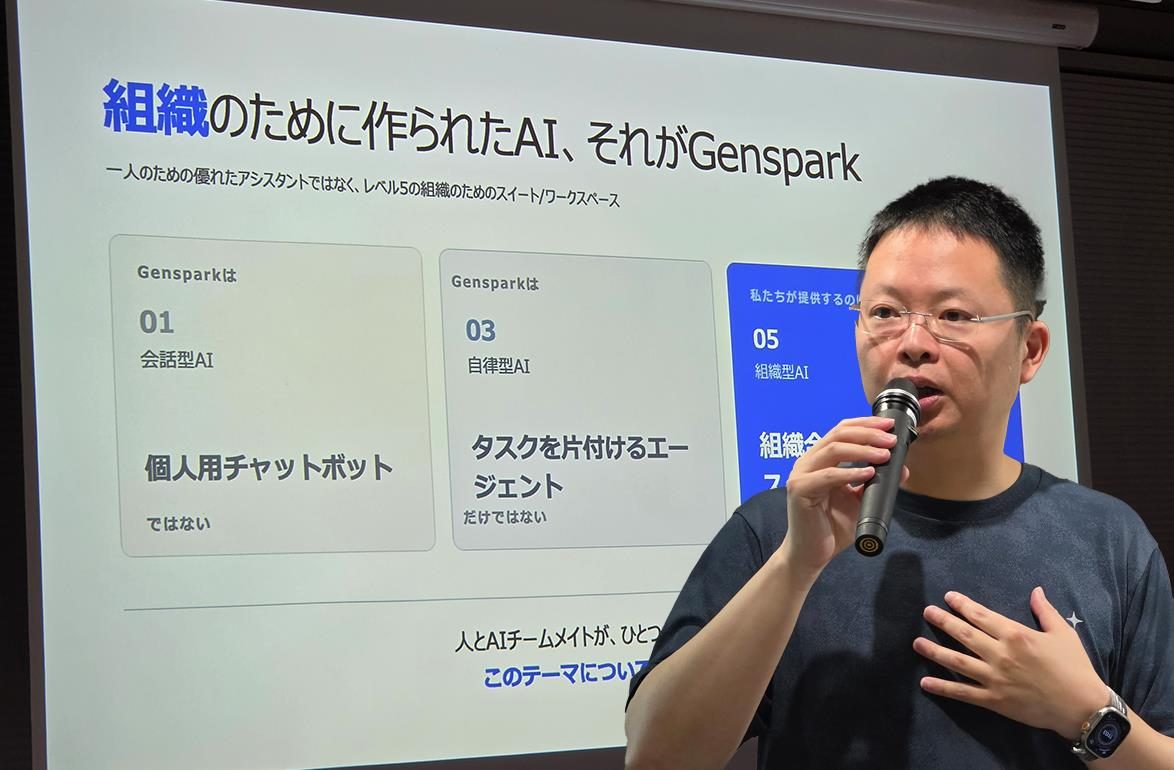
Genspark launched Gen-1 Slides on September 18, a slide-generation model it says matches Opus 5 on benchmarks at about 6% of the cost, roughly one-seventeenth.
Why it matters
That cost gap could let Genspark serve paid users a weekly allowance that does not consume credits.
WHO IT HITSEnterprise teams weighing AI-assisted content and recruiting workflows will watch whether Genspark's claimed 6%-of-cost result holds up, since it could lower the per-slide spend and change how much work AI agents handle before a human checks the output.
Summaries like this, in your inbox every morning.
Genspark's pitch centers on cost control as much as capability. The company fine-tunes open-weight models for specific tasks, starting with slide generation, and says Gen-1 Slides reaches Opus 5-level results on benchmarks while costing about 6% as much. To bring down the cost of AI agents overall, it routes simple questions to cheaper models and complex reasoning to stronger ones, and in Advisor Mode a low-cost model can consult a high-performance model only when it gets stuck. Those savings feed into a weekly usage allowance for paid users that does not consume credits. On security, Genspark says it uses U.S. inference infrastructure for open-weight models and has Zero Data Retention agreements with external model providers, so input data is not used for training.
The organizational story is just as central. Genspark says its 49 software engineers built 28 products and features over the past year, and it credits a system it calls Lights-off Factory, where humans pick a GitHub issue and AI agents handle implementation, testing, and code review, with a human making the final call on merging. As one example, it says a single engineer built the open-source office suite GenOffice in about a week using roughly $10,000 worth of AI usage credits. But Genspark argues that individual speed alone does not lift an organization, so it pairs automation with Gen Teams and TeamBrain for shared knowledge.
Customer cases show how that shared-knowledge layer is meant to work. Leoparesu 21 is rolling out Genspark to about 4,000 employees, after moving from limited use of several generative AI tools and creating a DX promotion department in April; it clarified what information can and cannot be entered into AI, and ran training and confirmation tests before granting accounts. Nisso Kousan, part of NISSO Holdings, built a recruiting-focused AI employee on Genspark without custom system development, starting with about 60 selected staff mainly in their 20s and 30s after unifying rules across 13 group companies over roughly two months.
Pick your industry and the AI tools you use, and get news related to your work every day.
Free · 30 seconds with Google · unsubscribe anytimeWhat is AIToday? →
Ask AI anything about this article. The AI reads this article, earlier AIToday articles, and Wikipedia, and cites its sources. Q&As are published on this page for other readers too.
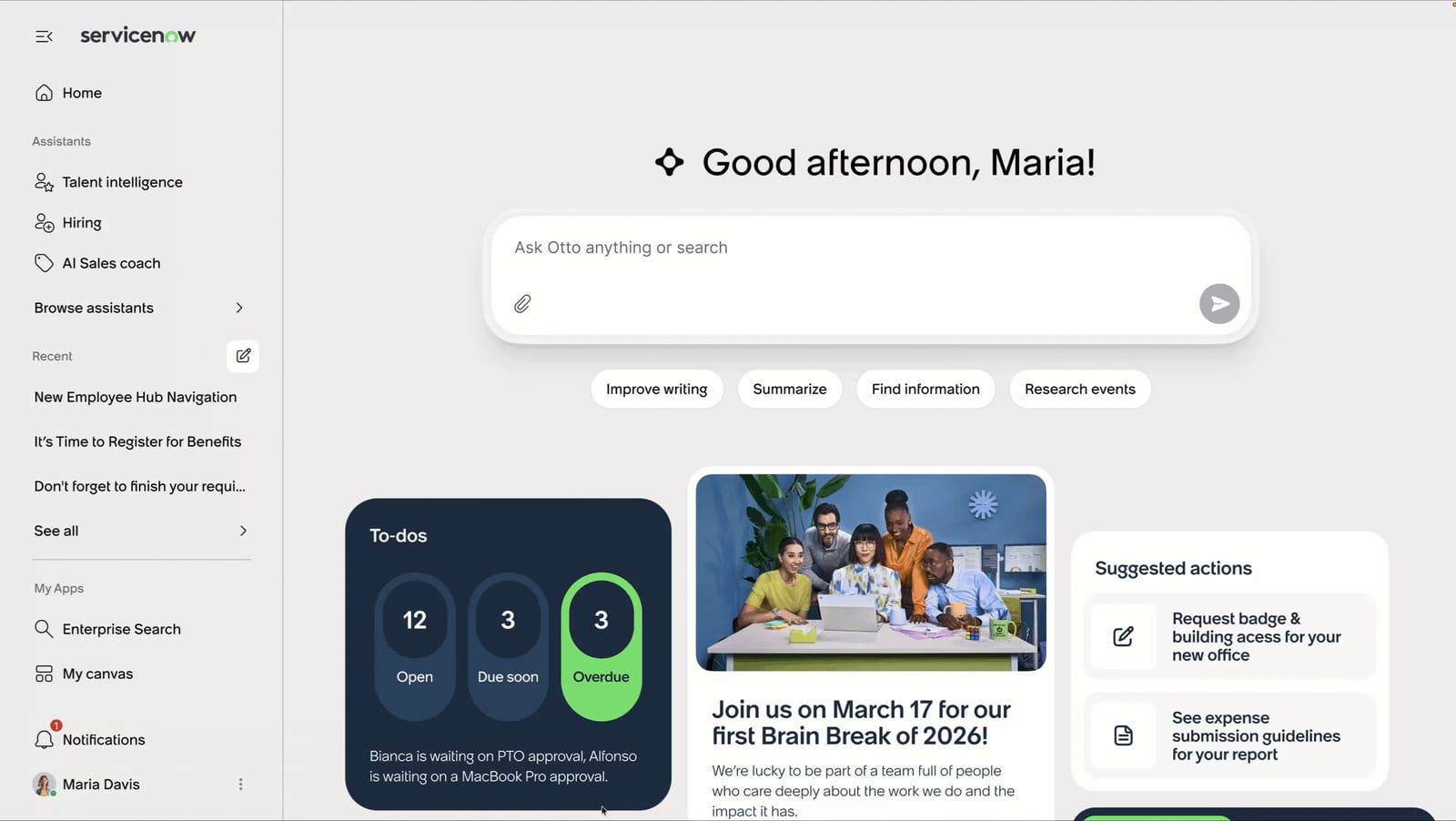
ServiceNow announced AI Passport, a cryptographically signed credential defining an agent's identity, permitte…
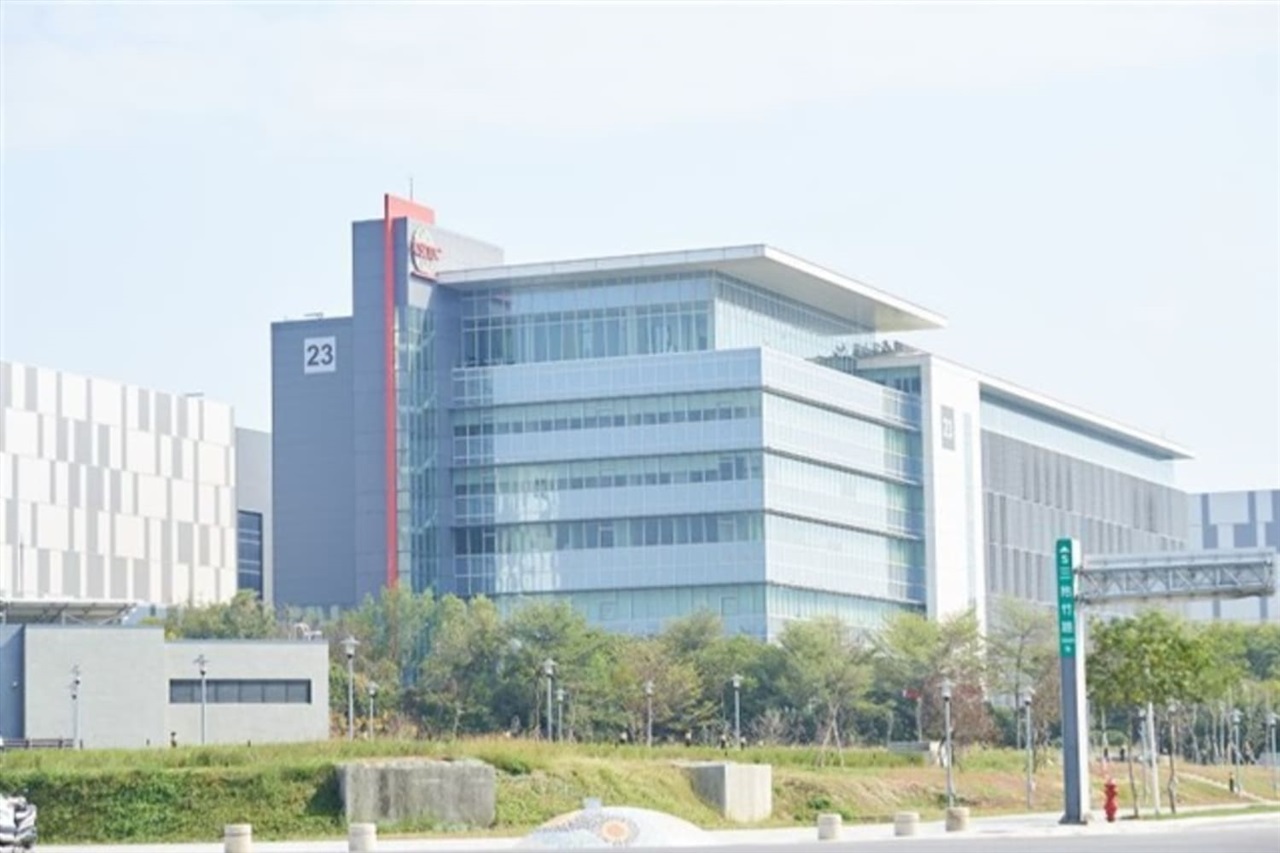
Chairman and CEO C.C. Wei announced TSMC has raised its full-year 2026 US dollar revenue growth guidance to ap…
Japan selected a GlobalFoundries-led project for its third round of U.S

Eric Francia, co-founder and CEO of Uniplay, writes that AI has made knowledge accessible at unprecedented sca…

Modal crossed $1B in annualized run rate and raised a $750M Series D at a $15.75B valuation led by Accel
Microsoft Agent Framework has ported Semantic Kernel's Python vector-store work forward, keeping typed records…