What happened
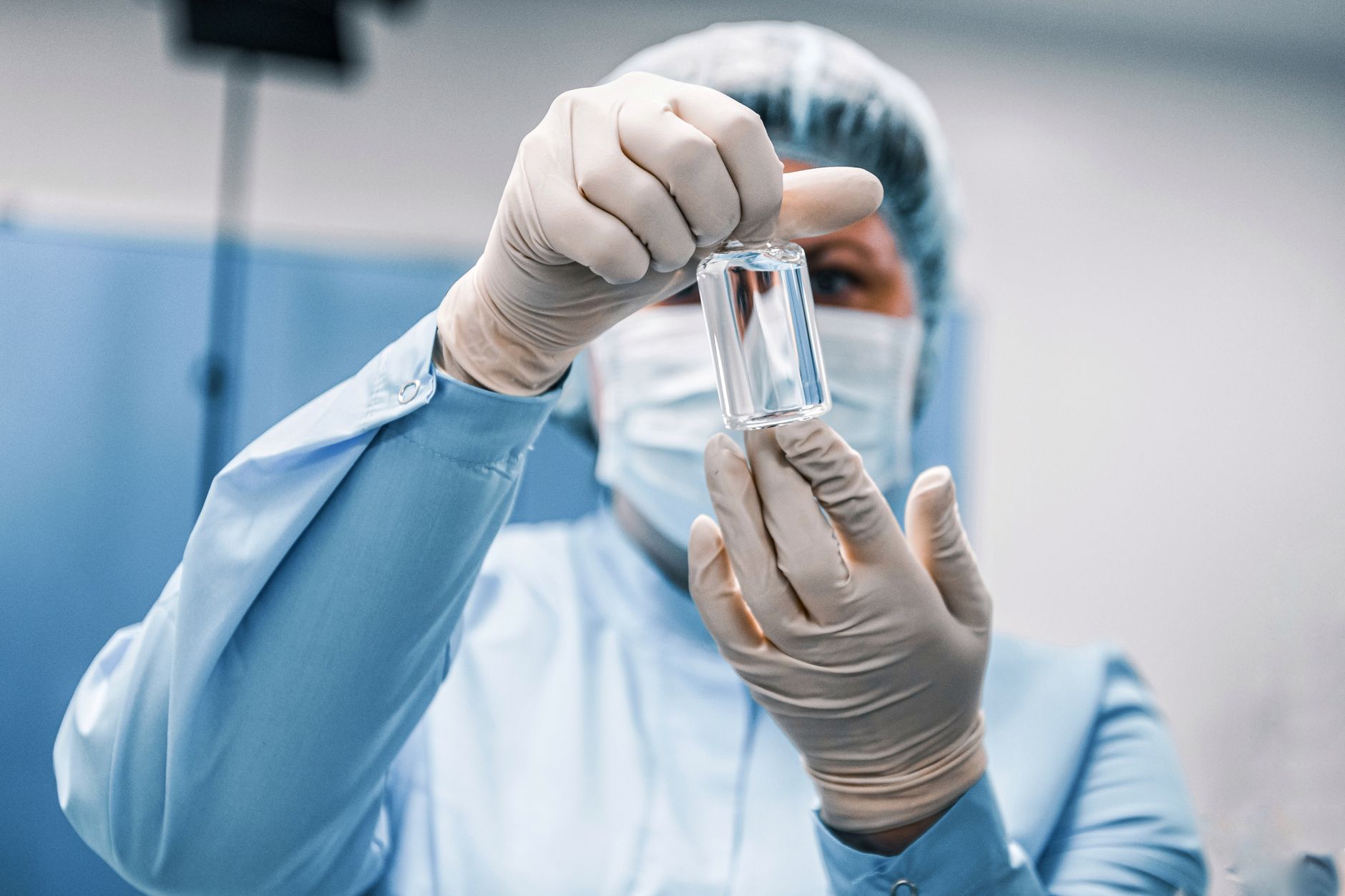
Gilead Sciences announced a research collaboration with Nucleai, an AI company, to use AI-driven tissue analytics to discover biomarkers and improve precision oncology development in its antibody drug conjugate (ADC) clinical programs.
Why it matters
Gilead reported a second quarter 2026 net loss of US$10.5b and guided to a full year operating loss of US$2.25b to US$1.85b, so deploying AI to get more value from existing oncology spending reflects a focus on efficiency rather than expanding overall investment. The partnership aims to standardize biomarker analyses in clinical trials to support more targeted cancer treatments and potentially better outcomes.
What to watch
The clearest early test will be whether Gilead's ADC trials begin using Nucleai's platform to pre-specify biomarker subgroups and show cleaner, biomarker-linked clinical readouts—signaled by updated trial designs, faster patient stratification, or oncology guidance explicitly tied to the AI-supported biomarker work.
Summaries like this, in your inbox every morning.
Gilead Sciences, a US-based biopharmaceutical company with a reported market value of about $165.0b, has long focused on developing medicines for areas of unmet medical need, including complex disease areas such as oncology. The Nucleai partnership aligns closely with that core mission, applying AI to translational research to improve drug discovery and development. However, the timing and framing of the collaboration reveal its true strategic context: Gilead is navigating significant financial headwinds, having reported a second quarter 2026 net loss of US$10.5b and guided to a full year operating loss of US$2.25b to US$1.85b. In this context, the AI partnership represents an effort to wring more efficiency from existing oncology research spend rather than a move to expand overall investment. The collaboration also fits into Gilead's broader narrative around oncology expansion, where platforms like Trodelvy and the Tubulis-based ADCs are key growth drivers alongside HIV therapeutics. By partnering with Nucleai on AI tissue analytics, Gilead aims to improve biomarker selection and trial execution in cancer—a means to strengthen those existing programs without major new capital outlays. This type of AI-supported oncology research is becoming more common across large drug developers as they seek to improve clinical trial design and patient stratification.
Pick your industry and the AI tools you use, and get news related to your work every day.
Free · 30 seconds with Google · unsubscribe anytimeWhat is AIToday? →
Ask AI anything about this article. The AI reads this article, earlier AIToday articles, and Wikipedia, and cites its sources. Q&As are published on this page for other readers too.
Chunghwa Telecom president Rong-shy Lin said the shift from conversational AI to autonomous AI agents is resha…

CoreWeave fell 5% in premarket trading Friday and was on track to finish the week down 15%, after rebounding f…
Apple and Meta said they would jointly release a new open-weight AI model designed to run on high-end Macs, ai…

Investors put $38.5 billion into Asian startups in Q3, per Crunchbase data

A longtime Anthropic investor told Fortune he expects shares priced around $1.8 trillion, below the company's…
In Q2, billionaires or their funds sold six 'Magnificent Seven' AI stocks