What happened
Walden Robotics, a full-stack Physical AI company building general-purpose robots that learn and improve through real work, raised $300 million(約480億円) in funding and launched out of stealth at a $1.1 billion(約1800億円) valuation. The round is co-led by Toyota (Toyota Motor Corp, Toyota Invention Partners, and Toyota Ventures) and Deviation Capital, with participation from NVIDIA, Boeing, AE Ventures, Samsung Ventures, Prologis Ventures, CoreWeave Ventures, and others. Walden's robots, which build on research including Diffusion Policy and Large Behavior Models (LBMs), have been performing useful work in production at a Toyota plant in North America since February—moving from first pilot to real work in under two months.
Why it matters
Walden represents a major bet that general-purpose robots capable of continuous learning will drive the next wave of industrial automation. The company's ability to move from pilot to production use at scale (at a major automaker, no less) within weeks suggests that robotic systems are approaching practical viability for real manufacturing tasks. The backing of Toyota, NVIDIA, and Boeing signals confidence that in-house data collection, proprietary robotic AI models, and vertical integration in hardware are the winning formula for robot makers.
What to watch
Walden launched out of Toyota Research Institute in January 2026 and is already working with customers across multiple industries. The pace of deployment—from February pilot to real production work in under two months—and the roster of industrial and tech investors suggest the company will likely announce additional customer deployments and use cases in the near term.
Ask the AI about this article →
Summaries like this, in your inbox every morning.
Walden Robotics emerges at a moment when industrial automation is shifting from scripted, single-task robots to systems that learn continuously from real-world deployment. The company's research lineage—Diffusion Policy and Large Behavior Models—represents a frontier approach to imparting flexibility and adaptability to physical systems. The speed at which Walden moved from launching out of stealth to performing production work at a major automaker (under two months from pilot to real deployment) suggests that the core bottleneck in robotics deployment may no longer be technical feasibility but rather the operational integration and trust-building required to deploy autonomous systems in existing factories.
The funding consortium is telling: Toyota brings manufacturing scale and domain expertise; NVIDIA brings compute and AI infrastructure; Boeing brings aerospace-grade safety and reliability expectations; Samsung and others bring component integration capability. This vertical alliance structure reflects a broader industry thesis that the winners in robotic automation will be those combining frontier AI models, proprietary data collection from real work, and deep hardware integration. Walden's own emphasis on continuous learning through real-world practice (rather than simulation) aligns with this view—the robots improve as they work, generating proprietary data that further improves the models.
For example, today's edition would include:
AI-summarized, only the topics you pick — one digest a day via Email, Slack, or Discord.
Free · 30 seconds with Google · unsubscribe anytimeWhat is AIToday? →
Ask AI anything about this article. Q&As are published on this page for other readers too.
San Jose is positioning itself as a hub for physical AI (AI that operates in the real world, such as robotics)…

STMicroelectronics said humanoid robots are most likely to enter manufacturing first
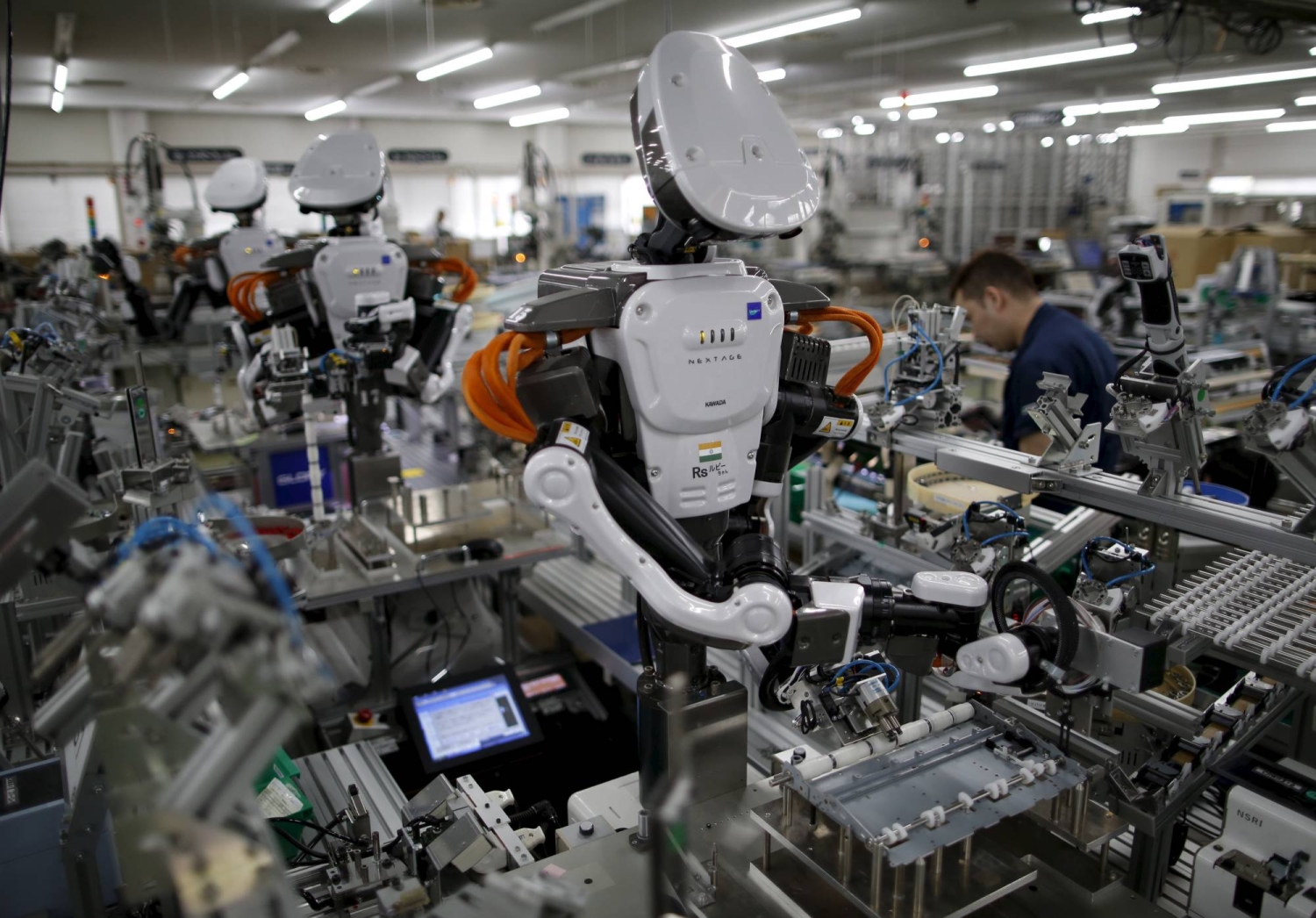
Toyota, FANUC, and Musashi Seimitsu are using AI on the factory floor, not in large data centers
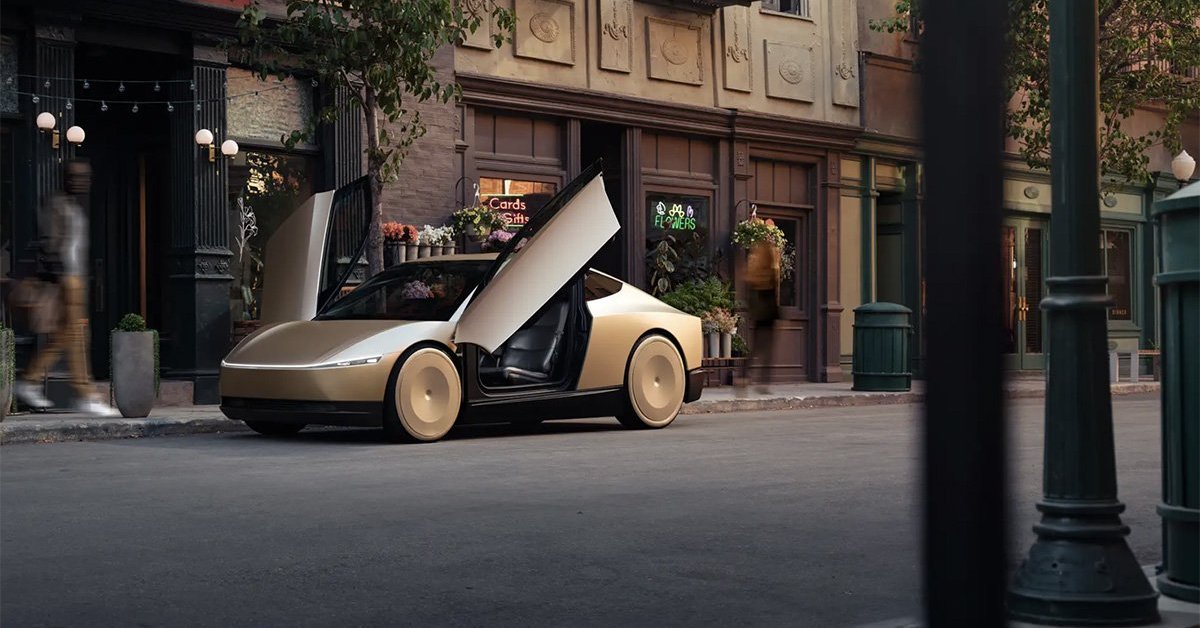
Tesla Japan will show the Cybercab, its dedicated Robotaxi vehicle, in Japan for the first time
In January, Ukraine's defense ministry said it would share millions of data points from tens of thousands of d…

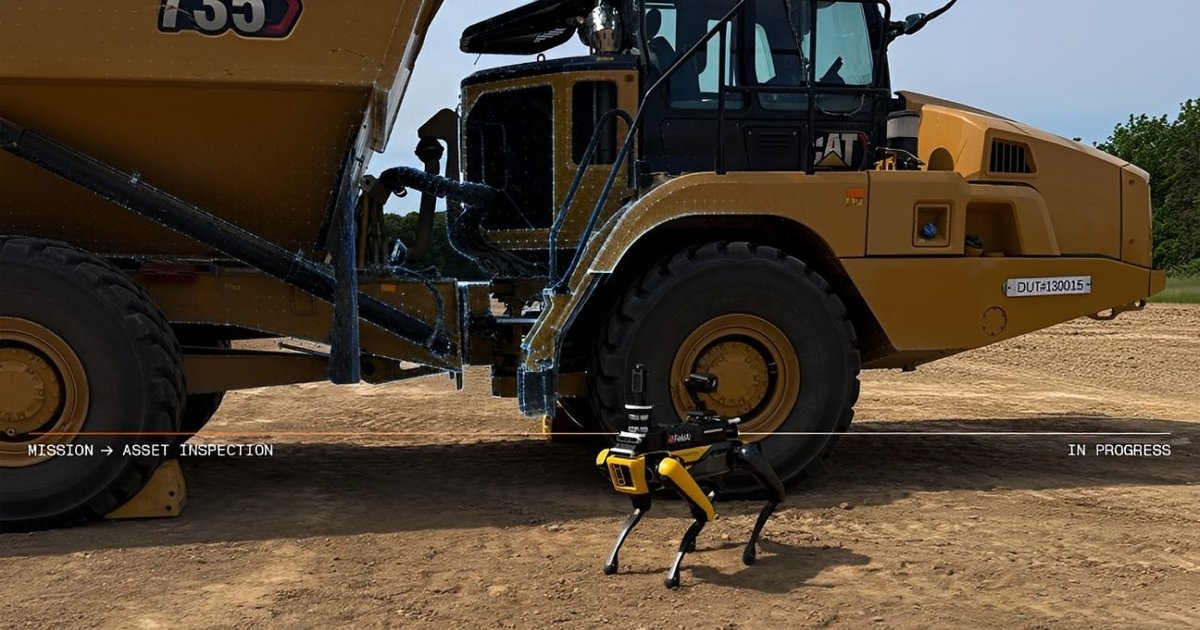
Caterpillar has entered a collaboration with FieldAI to advance physical AI, autonomy, and robotics on jobsite…