
What happened
Snowflake's Observe announced general availability of a redesigned MCP server and new CLI tool that give AI agents direct, programmatic access to observability data. The new MCP server removes the LLM intermediary layer that was in the original architecture, letting agents connect directly to Observe's APIs and query the same data accessible through the UI.
Why it matters
As AI agents increasingly handle operational tasks—diagnosing errors, correlating failures across services, automating alert triage—observability platforms must work for machines as well as humans. The direct API access reduces latency and cost compared to the previous LLM-based intermediary, and gives engineers a way to build custom alert-triage agents and copilots that assist during incident investigations without manual queries.
What to watch
The rollout is general availability now across all clusters, with eu-2 and ca-1 regions to follow shortly. Both the MCP server and CLI ship with a library of prebuilt skills for common observability workflows—investigating incidents, tracing failures, validating changes, finding n+1 issues, and detecting outliers—that work immediately after configuration.
Summaries like this, in your inbox every morning.
Observability has traditionally been a human-centric discipline—engineers query dashboards, logs, and metrics to understand system behavior. The article positions a fundamental shift: as AI agents take on operational roles (triaging alerts, correlating failures, automating investigations), observability platforms must serve machines as well as humans. Observe's redesign reflects this reality by exposing the same data through APIs, MCP, and CLI alongside the UI.
The removal of the LLM intermediary is not merely a technical optimization; it signals a maturation in how AI agents interact with infrastructure. Rather than agents describing what they want and waiting for an LLM to interpret and fetch answers, agents now navigate Observe's data structures directly, determine which queries will be most valuable, and write precise observability queries. This approach reduces both latency and the operational cost Observe and its customers bore when every agent query required LLM reasoning. The engineering teams that had built their own workarounds—fetching chart images, updating dashboards, querying APM errors programmatically—reveal the real-world demand for this capability.
Pick your industry and the AI tools you use, and get news related to your work every day.
Free · 30 seconds with Google · unsubscribe anytimeWhat is AIToday? →
Ask AI anything about this article. The AI reads this article, earlier AIToday articles, and Wikipedia, and cites its sources. Q&As are published on this page for other readers too.
Chunghwa Telecom president Rong-shy Lin said the shift from conversational AI to autonomous AI agents is resha…
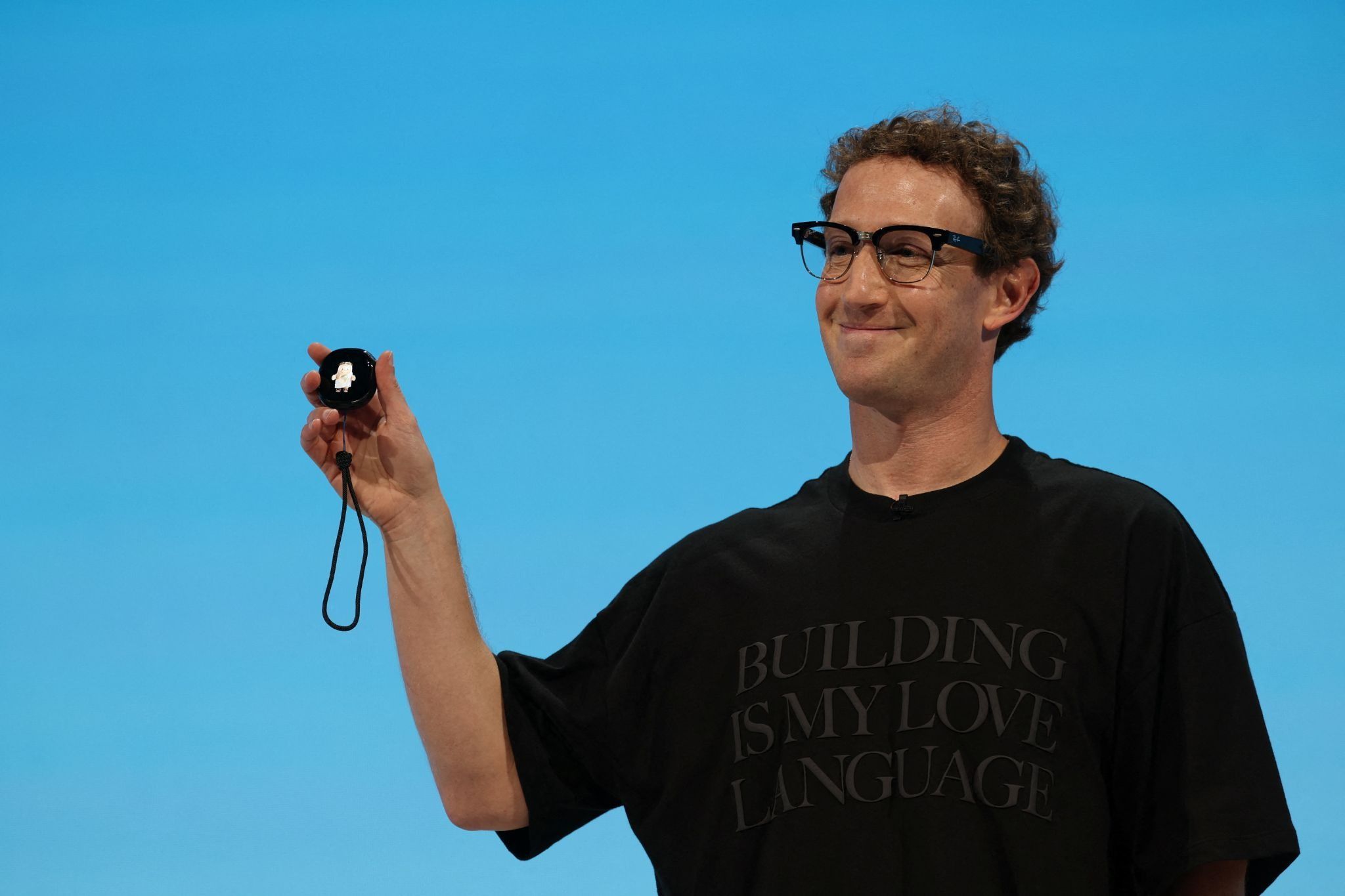
Apple and Meta said they would jointly release a new open-weight AI model designed to run on high-end Macs, ai…
A writer and entrepreneur opened his daily to-do list and found 156 items, and concluded that an AI assistant…

A Zenn contributor sorted AI use into three modes — AI as an assistant, AI running alongside people, and AI th…

A non-engineer operator says one person ships four smartphone apps on Google Play, three on the App Store, wit…
The walkthrough points the CLI at a local mock via the ANTHROPIC_BASE_URL environment variable

