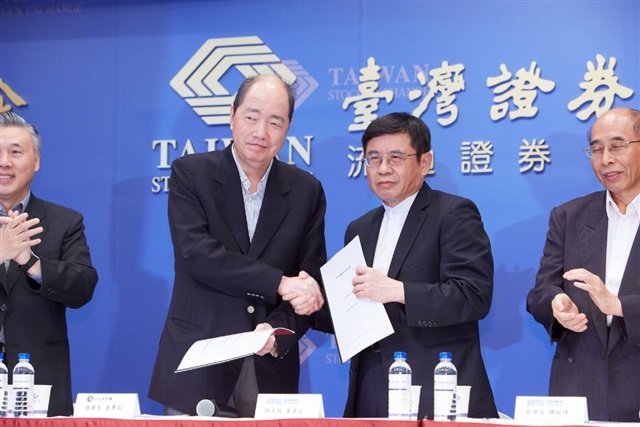
Powerchip Semiconductor Manufacturing Corporation chairman Frank Huang, a veteran who guided the company through Taiwan's memory and foundry industry evolution, has passed away.
Huang was set to lead Powerchip to profitability in 2026 as the chip sector capitalizes on AI demand.
What happened
Powerchip Semiconductor Manufacturing Corporation (PSMC) chairman Frank Huang has passed away. Huang spent much of his career tracking Taiwan's memory and foundry industries and was positioned to steer Powerchip toward profitability in 2026.
Why it matters
Huang's death removes a veteran executive from Taiwan's chip manufacturing sector at a moment when the industry is navigating the AI boom. His leadership shaped Powerchip's strategy during a pivotal transition period.
What to watch
Powerchip's path to profitability in 2026 and how the company will proceed without Huang's operational direction.
Powerchip Semiconductor Manufacturing Corporation chairman Frank Huang, who has passed away, was a long-serving executive whose career closely paralleled the development of Taiwan's memory and foundry industries. Throughout his tenure, Huang guided decisions that reflected his deep understanding of sector trends and competitive pressures. Under his leadership, Powerchip was positioned to achieve profitability in 2026, marking a significant milestone as the semiconductor industry rides the wave of artificial intelligence demand. Huang's trajectory mirrored the company's own journey through the evolving landscape of Taiwan's chip manufacturing ecosystem, where he navigated both memory production and foundry operations. His planned exit into profitability in 2026 represented the culmination of strategic positioning in an industry undergoing rapid transformation driven by AI applications and infrastructure requirements.
Frank Huang's death removes a significant figure from Taiwan's semiconductor manufacturing landscape. Huang's career arc closely tracked the evolution of Taiwan's memory and foundry sectors, positioning him as a veteran who understood both the historical trajectory and the current competitive dynamics of chip manufacturing. His leadership of Powerchip came at a critical juncture: the company was positioned to achieve profitability in 2026, a milestone that would signal successful navigation of the AI-driven demand surge reshaping the industry. The loss of his operational continuity raises questions about how Powerchip will execute its strategy during this growth phase.
AI-summarized, only the topics you pick — one digest a day via Email, Slack, or Discord.
Free · takes 30 seconds · unsubscribe anytime
Ask AI anything about this article. Q&As are published on this page for other readers too.
TSMC has roughly doubled its CoWoS and SoIC packaging capacity annually for several years and is now running C…
Broadcom CEO Hock Tan reaffirmed in early June that the company expects fiscal 2027 AI semiconductor revenue o…

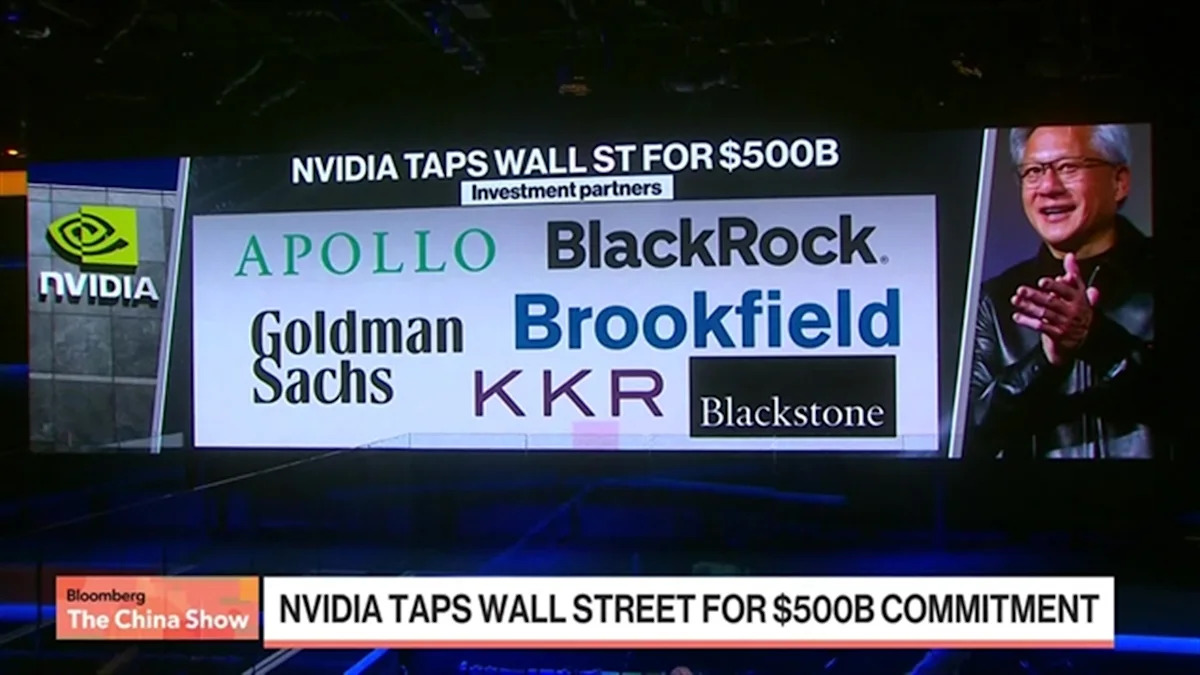
Nvidia has signed letters of intent with Apollo, BlackRock, Blackstone, Brookfield, Goldman Sachs, and KKR to…

Nvidia has partnered with six major investment and financial groups to mobilize more than US$500 billion in th…
CoreWeave earnings are expected to show another quarter of triple-digit sales growth as the AI cloud company c…

Nvidia has secured $500 billion in commitments from Wall Street firms, cementing its position as what Bloomber…
The AI news that matters, in one minute each morning.
Sign up free