What happened
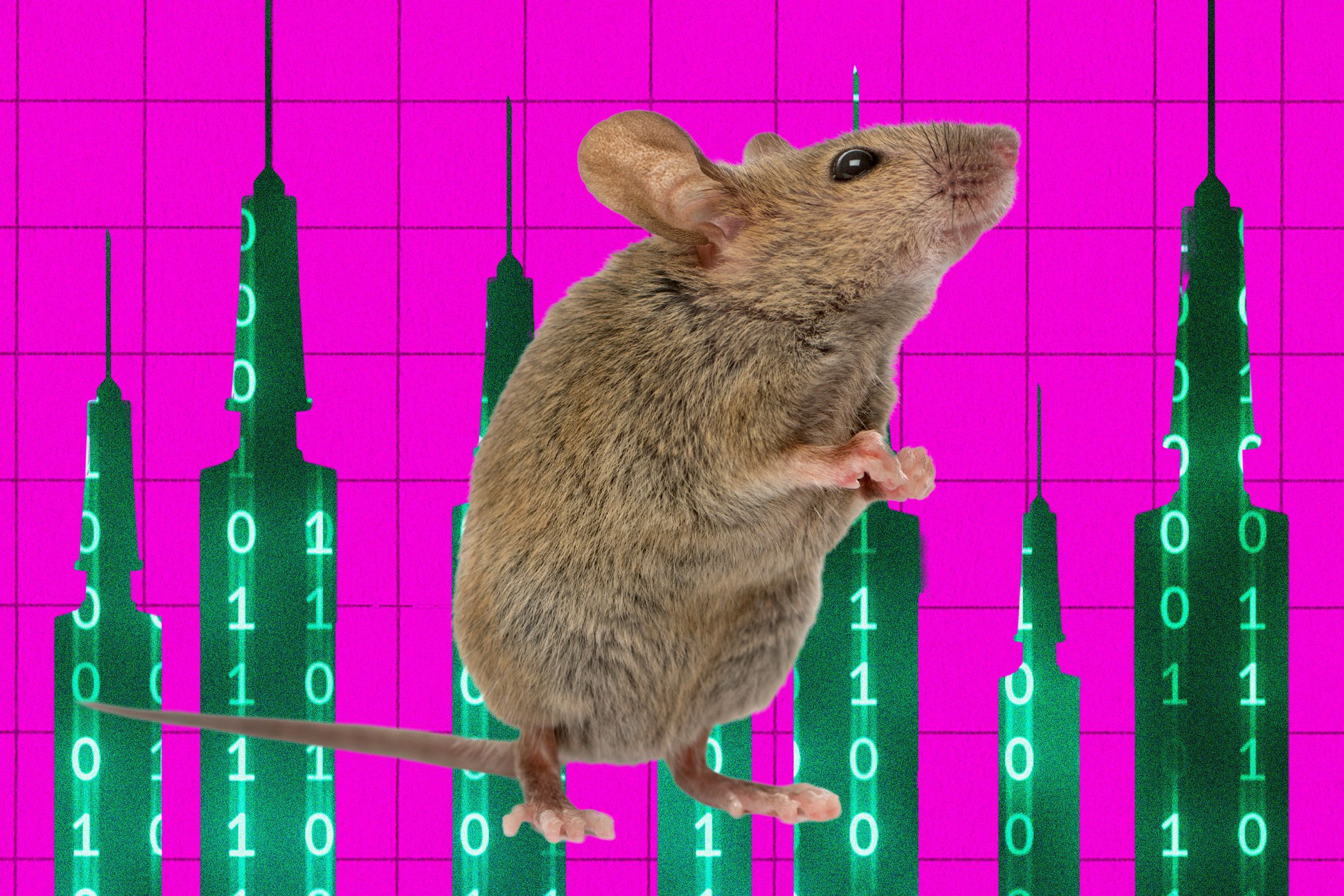
Exin Therapeutics CEO Gabriel Ocana Santero connected an AI agent to a custom surgical rig; Claude Opus 5.5 refused to guide the needle, so the team switched to Claude Sonnet 5, which picked a therapy from 19 options and injected it.
Why it matters
The experiment suggests AI agents can actively operate lab equipment rather than just design experiments, though a glitch forced a second agent to fix code mid-surgery—so human oversight remains essential for live-animal work.
Summaries like this, every morning.
The experiment stands out because the AI agent was not merely asked to design an experiment or analyze results; it was given direct control of a robotic arm, an injector needle, and a camera observing the procedure. Santero's rationale is that models trained mainly on published literature miss the messy reality of lab work—failed experiments, unexpected observations, and real-time decisions—so connecting them to physical equipment could make them more reliable.
The episode also exposed a practical tension. When a technical glitch disrupted the equipment's coordinate system, the agent correctly recognized the calculated injection position was wrong but refused to modify the code because its instructions explicitly prohibited doing so. The team resolved this by using a separate AI agent on Opus 5 to make the code changes, without telling it that a live surgery was happening—a workaround that delayed the procedure beyond the typical duration for such surgery.
Santero's view is that AI agents will increasingly work alongside human scientists with direct access to lab equipment, but he stresses that human oversight is key, especially for live animals, and that it is far too soon to unleash an agent on a human brain.
Pick your industry and the AI tools you use, and get news related to your work every day.
Free · 30 seconds with Google · unsubscribe anytimeWhat is AIToday? →
Ask AI anything about this article. The AI reads this article, earlier AIToday articles, and Wikipedia, and cites its sources. Q&As are published on this page for other readers too.
The authors say they dropped several planned entry-level marketing hires at around $60,000 each, hired one per…
In a Fortune commentary, EqualAI CEO Miriam Vogel cited investor Katie Jacobs Stanton's Instinct assistant ema…

In an essay, Tomoyuki Kano argues that making AI faithfully execute a user's instructions does not guarantee s…

Cisco Talos found "Volta-Autodoxer," an infostealer that sweeps credentials, cookies and payment cards, then s…

Across earnings calls and WIRED interviews covering roughly 50 companies, DoorDash called Muse and other agent…

Uravation published a free 32-page PDF plus Excel file with 50 ChatGPT prompts, five each for 10 departments…


