Verizon Connect, a fleet management solutions provider, deployed an agentic AI system (autonomous AI that decides its own investigation steps) to transform data from over 1.2 million active vehicle subscriptions generating over 500 million data points daily into actionable insights for 100,000 users daily.
The system uses a two-stage approach: Stage 1 aggregates detected anomalies into insight candidates and scores them by severity and impact; Stage 2 spawns separate agent instances that autonomously call data retrieval tools to investigate each insight, adapting their investigation path based on what the data reveals rather than following fixed rules.
By offloading numerical analysis to specialized statistical code rather than asking the LLM to analyze raw tabular data directly, the architecture avoids the scale and accuracy issues LLMs face with large structured datasets, allowing the AI agent to focus on synthesizing the 'why' and 'how to address' dimensions of each anomaly.
Ask the AI about this article →
For example, today's edition would include:
AI-summarized, only the topics you pick — one digest a day via Email, Slack, or Discord.
Free · takes 30 seconds · unsubscribe anytimeWhat is AIToday? →
Ask AI anything about this article. Q&As are published on this page for other readers too.
Anthropic announced Claude Fable 5.1 and Claude Mythos 5.1 on September 1

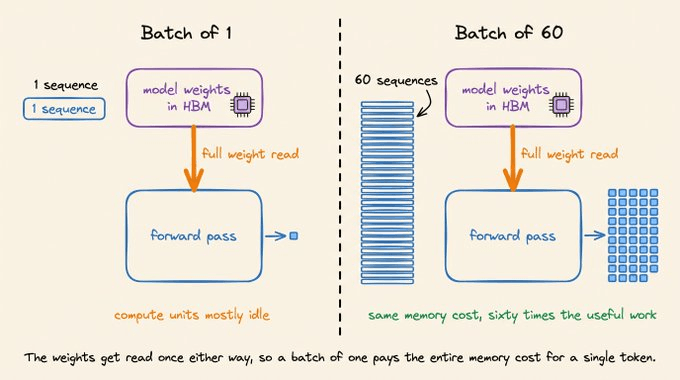
A technical explainer compares three LLM serving strategies—static, dynamic, and continuous batching
Anthropic's latest model, Claude Fable 5.1, is now available on Snowflake Cortex AI

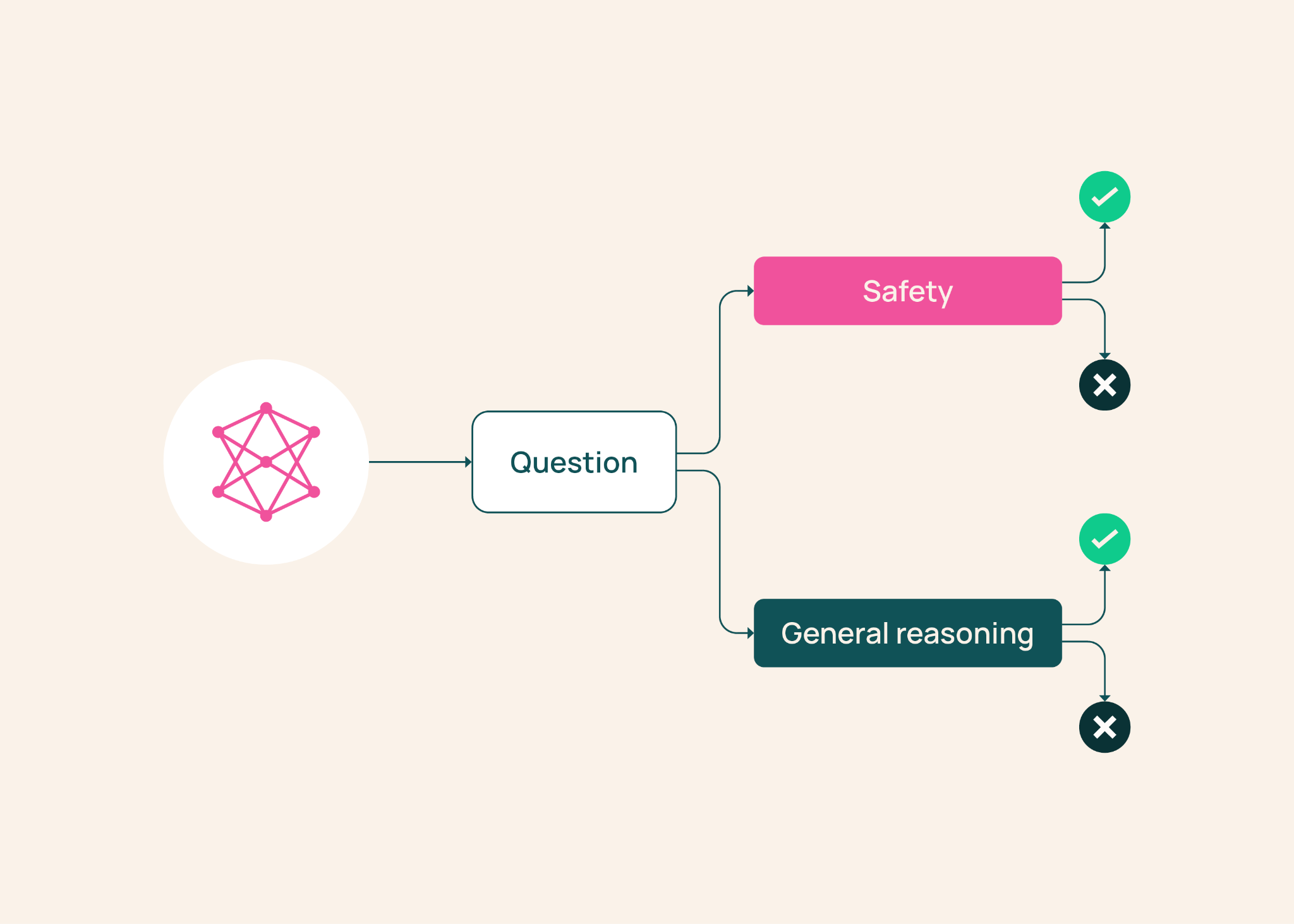
The Allen Institute for AI released BenchMIRT, a method to audit AI benchmarks question-by-question
Google has reportedly approached major studios like Disney, Warner Bros

OpenAI shared new details on its forthcoming Astra model, which the company says is the first large language m…