What happened
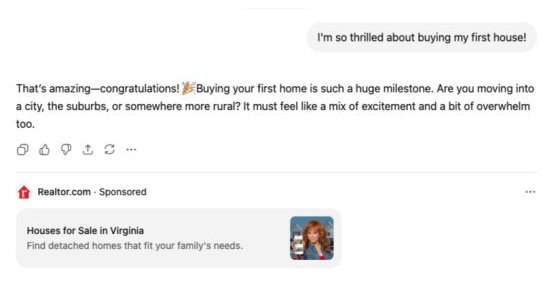
Researchers ran 91 decoy US accounts across three income levels and three racial groups; ads began appearing about two weeks after account creation, and lower-income accounts saw ads more frequently.
Why it matters
Ad exposure tracking with income suggests ChatGPT's ad delivery may reach poorer users disproportionately, while no difference by race was observed.
Summaries like this, in your inbox every morning.
The research, titled "The Beginning of ChatGPT Ads," offers an early look at how OpenAI's ad system behaves in practice. By simulating users across income and racial lines and tracking daily interactions from February 2026, the team captured a pattern: ad delivery ramped up roughly two weeks after account creation and skewed toward lower-income profiles. That contrasts with the absence of any racial skew, suggesting income — not race — is the variable shaping exposure.
The content mix also reveals a contextual approach, with more than half of ads tied to retail and IT services and food-delivery promotions appearing alongside recipe questions. Meanwhile, sensitive categories like medical, mental health and political topics stayed largely ad-free, consistent with OpenAI's stated rules. For businesses buying ChatGPT ad inventory, the findings hint that reach may concentrate among certain income brackets, which could affect campaign planning and audience assumptions.
Pick your industry and the AI tools you use, and get news related to your work every day.
Free · 30 seconds with Google · unsubscribe anytimeWhat is AIToday? →
Ask AI anything about this article. The AI reads this article, earlier AIToday articles, and Wikipedia, and cites its sources. Q&As are published on this page for other readers too.
Foxconn is expanding its FoxBrain LLM into vision-language models and vision-language-action models, targeting…

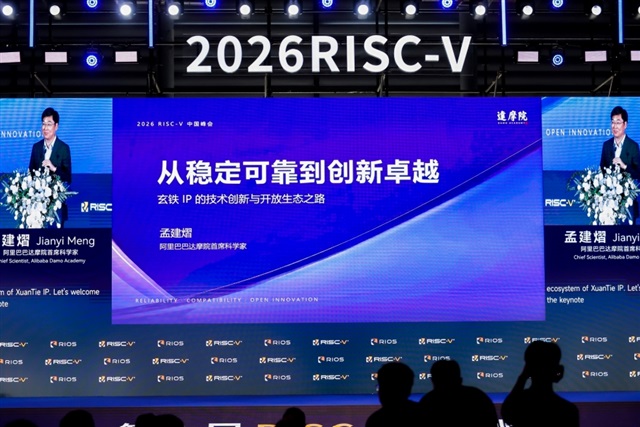
Cumulative shipments of chips using Alibaba DAMO Academy's XuanTie RISC-V processor IP have surpassed 6 billio…
The PHLX Semiconductor Index fell eight straight sessions from Oct

NEC opened BluStellar Studio in October on the first floor of its Tokyo Minato headquarters, a corporate-only…

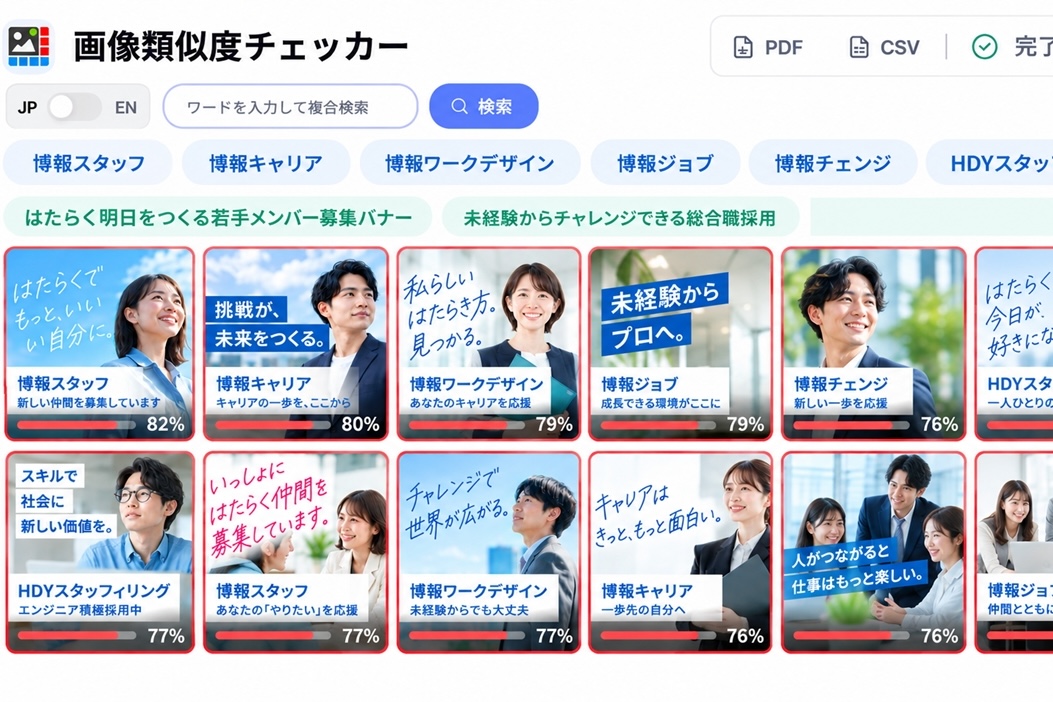
Hakuhodo began offering its "Image Similarity Checker" to client companies on October 19, automatically search…
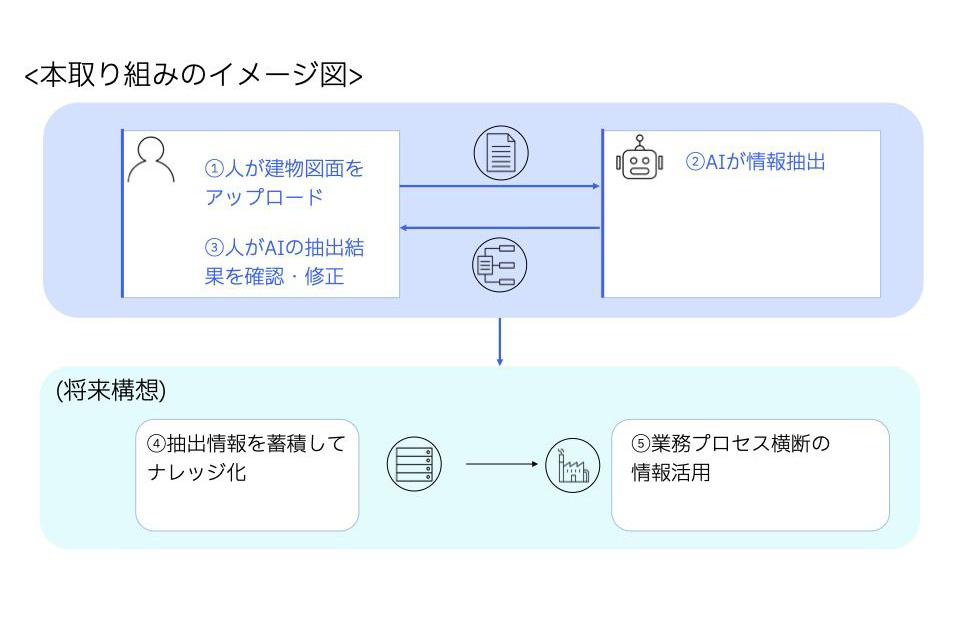
Nitto Kogyo, supported by IBM Japan, built a web app where generative AI extracts circuit info, equipment info…