What happened
Jabil, a global manufacturer with over 100 sites across 30-plus countries, is adopting a 'simplify-first, then-innovate' approach to technology. The company is using SAP Integration Suite and an API-driven, event-based architecture to connect systems and reduce data silos.
Why it matters
Complex, disconnected tools and manual processes created data silos that delayed decision-making and limited early issue visibility. By standardizing processes and building a single data backbone, Jabil aims to enable faster responses to supply chain disruptions and lay a foundation for AI and automation.
What to watch
Jabil is exploring predictive supply chain insights, intelligent exception handling, and AI-driven planning and forecasting. The company emphasizes that any modernization must add measurable business value, and is moving to SAP's RISE to support a 'clean-core' approach with less customization.
Summaries like this, every morning.
Jabil's integration journey is a response to years of accumulated technical debt. With each site running its own tools and processes, the company found it difficult to spot issues early or coordinate responses across regions. The push to standardize is not just about IT efficiency but about building a reliable data foundation that supports more advanced capabilities later.
The company's stated priority on data as the 'backbone' of a modern organization underlines why integration comes first. Without seamless data flow, efforts to automate or apply AI would be built on an unstable base. Jabil's move to SAP's clean-core approach and its use of tools like SAP Signavio to standardize processes reflect a deliberate shift away from heavy customization toward reuse and consistency.
As Jabil scales, the expected benefits go beyond technology. Integrated workflows give employees shared visibility, reduce manual reconciliation, and allow faster responses to supply chain events. Whether these efforts will fully deliver on the promise of AI-driven planning remains to be seen, but the groundwork is clearly aimed at making that possible.
Pick your industry and the AI tools you use, and get news related to your work every day.
Free · 30 seconds with Google · unsubscribe anytimeWhat is AIToday? →
Ask AI anything about this article. The AI reads this article, earlier AIToday articles, and Wikipedia, and cites its sources. Q&As are published on this page for other readers too.
S&P Global reports Q3 on Oct

Vertiv and NVIDIA presented at GTC on how they can halve AI factory deployment time

CVS Health appointed Jack Hanlon, who previously held senior data and analytics roles at Meta and Reddit, as s…

T-Mobile US completed what Nvidia described as the first AI-RAN call on a live commercial network, unveiled at…

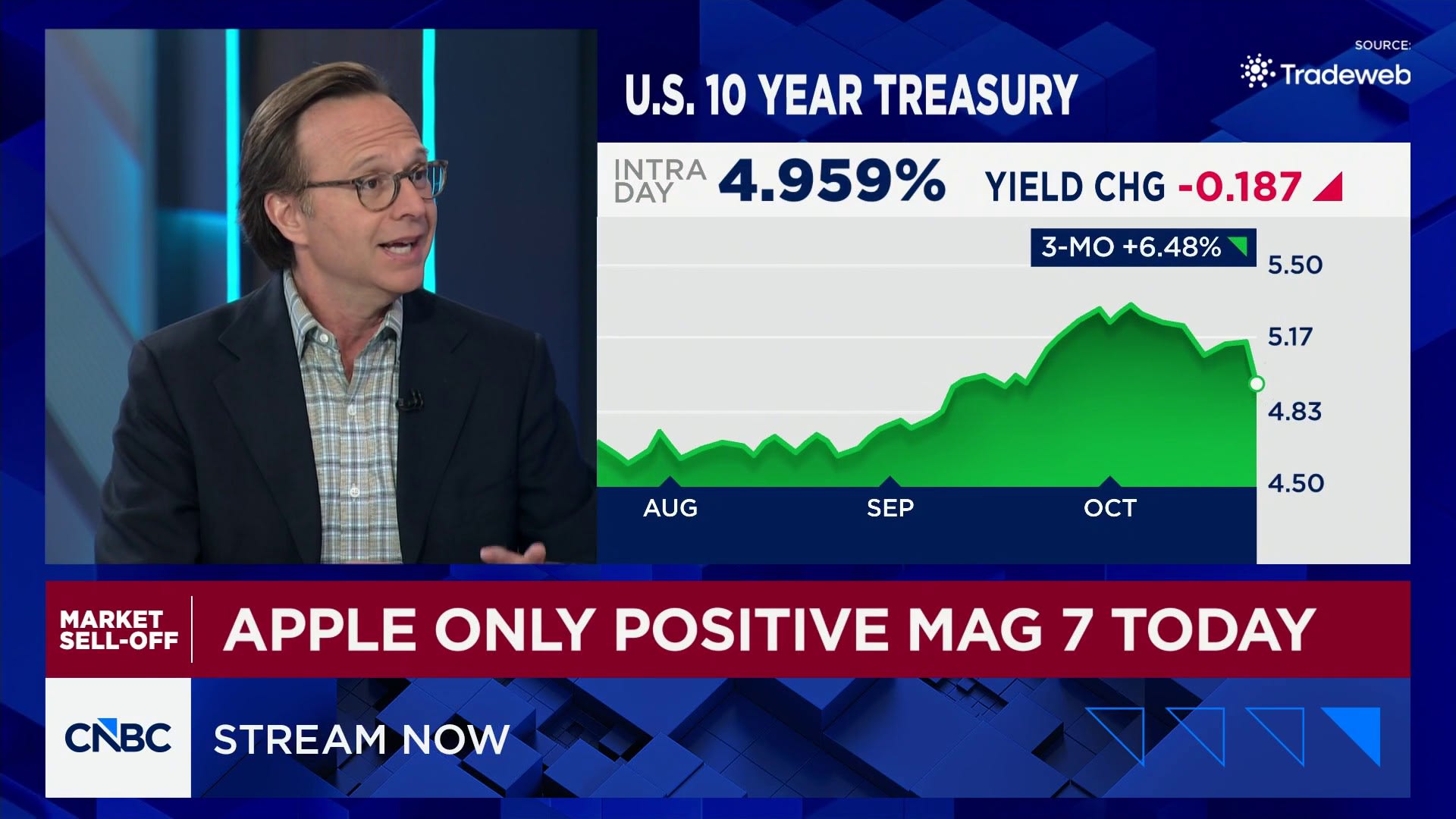
BlackRock Fixed Income Senior Portfolio Manager Jeff Rosenberg said the bond market is reacting rationally to…
Uber kept its AI spending flat while increasing usage 9.4 times, as reported in an August 2026 AXIOS exclusive…