What happened
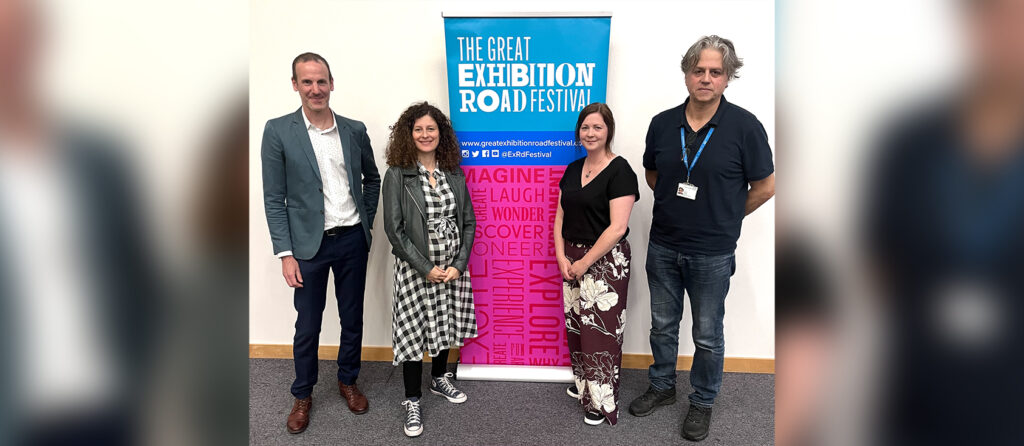
A live podcast recording at the Great Exhibition Road Festival in London brought together three leading UK academic researchers—George Mylonas (Imperial College London), Antonia Tzemanaki (University of Bristol), and Tom Vercauteren (King's College London)—to discuss robotics and AI in medicine and healthcare, more than 40 years after the first robot-assisted surgery.
Why it matters
As medical tools become increasingly autonomous, the conversation addresses critical questions about ethics, regulation of technologies that can learn and change over time, and fair access to cutting-edge medical devices. These concerns directly shape how hospitals and healthcare systems can safely adopt and deploy new surgical and diagnostic tools.
What to watch
The researchers cover a range of surgical applications—from robotic needle steering and tumor detection to rehabilitation and wearable robotics for physical therapy. Tom Vercauteren's spin-out company, Hypervision Surgical, already has its optical imaging technology in use across hundreds of hospitals worldwide, showing one path from research to clinical practice.
Summaries like this, in your inbox every morning.
Pick your industry and the AI tools you use, and get news related to your work every day.
Free · 30 seconds with Google · unsubscribe anytimeWhat is AIToday? →
Ask AI anything about this article. The AI reads this article, earlier AIToday articles, and Wikipedia, and cites its sources. Q&As are published on this page for other readers too.
Meta's new commercial terms, effective October 30th, appear to let it crawl and train AI on content from websi…

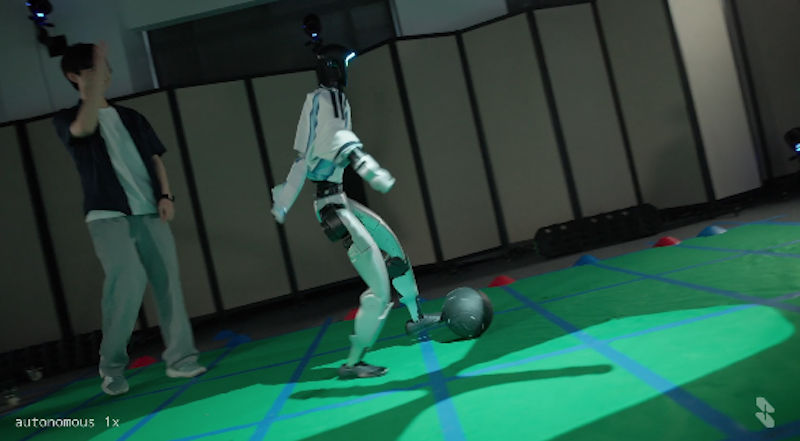
Skild AI used Nvidia Isaac Sim to give its S1 model one objective — score a goal — and let it compete against…
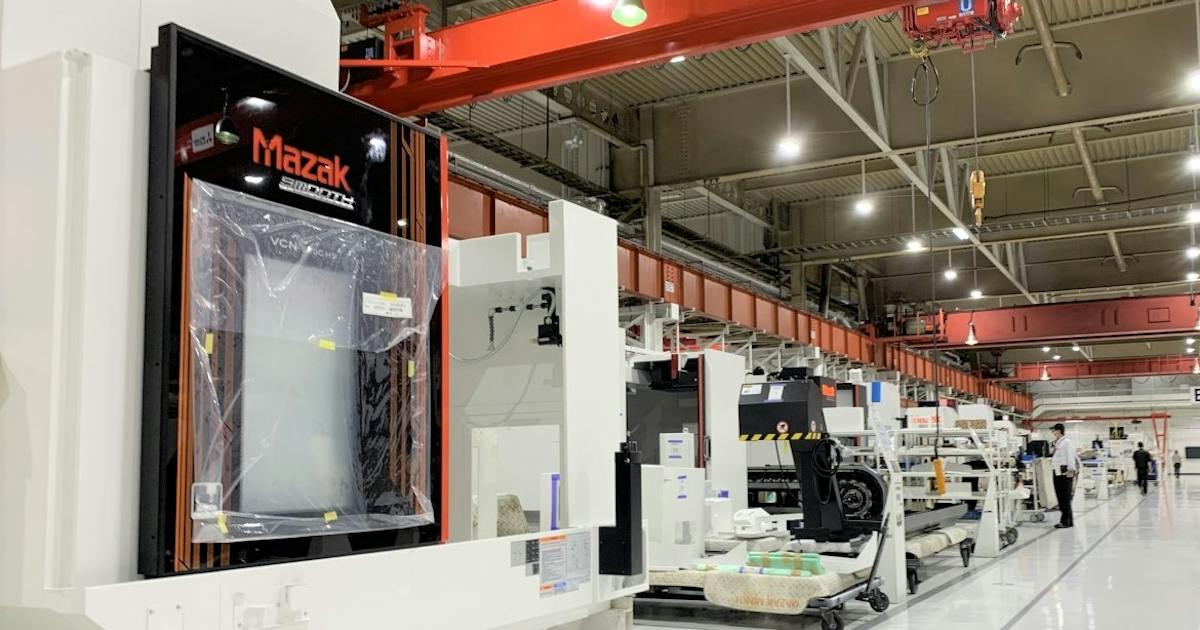
Yamazaki Mazak and ABEJA said on the 16th they will start joint development of physical AI, using ABEJA's ABEJ…
OpenAI introduced the Rosalind Academic Plan, giving eligible academic labs at U.S

Santen Pharmaceutical's R&D division reached a 93% weekly usage rate for generative AI, applying it to study p…
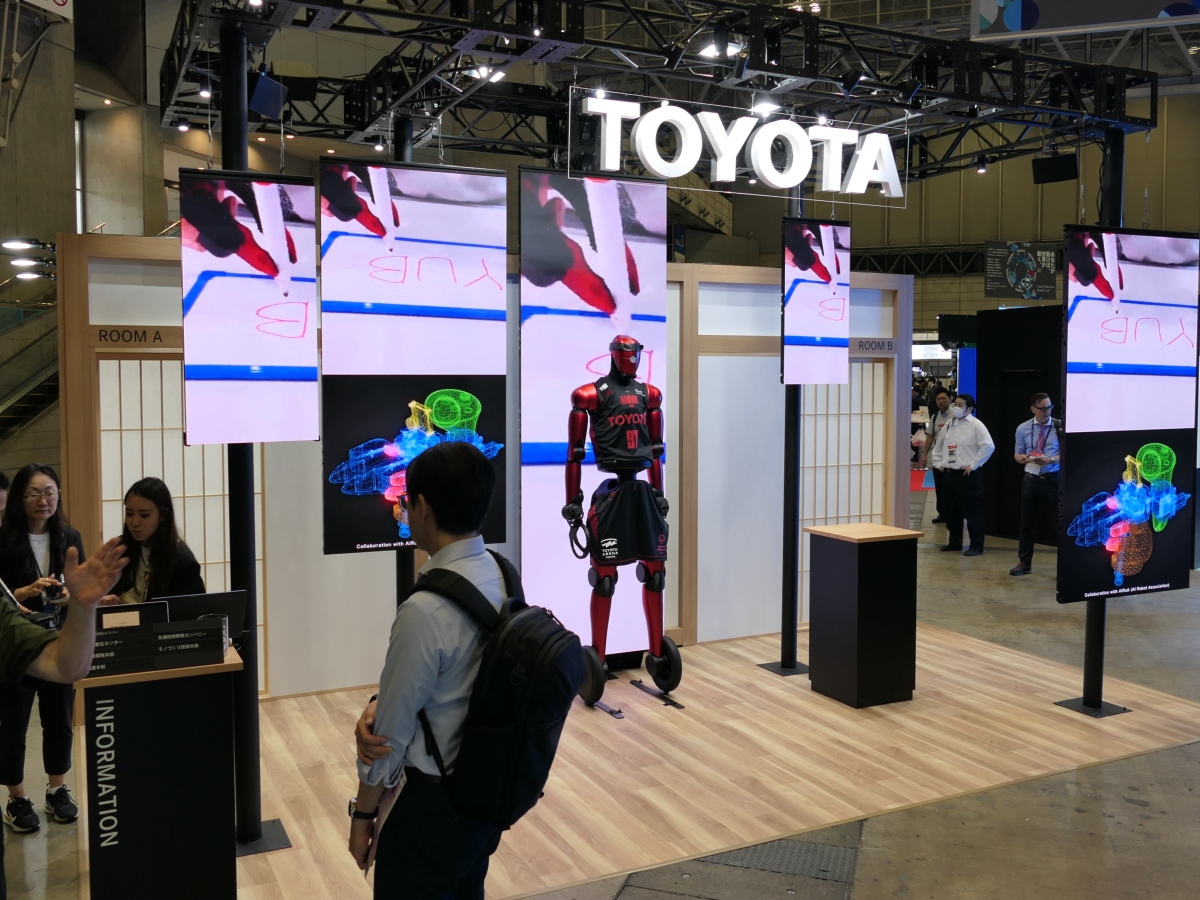
Toyota Motor's Japan Mobility Show Bizweek 2026 booth centers on its AI basketball robot CUE7, has no other ex…