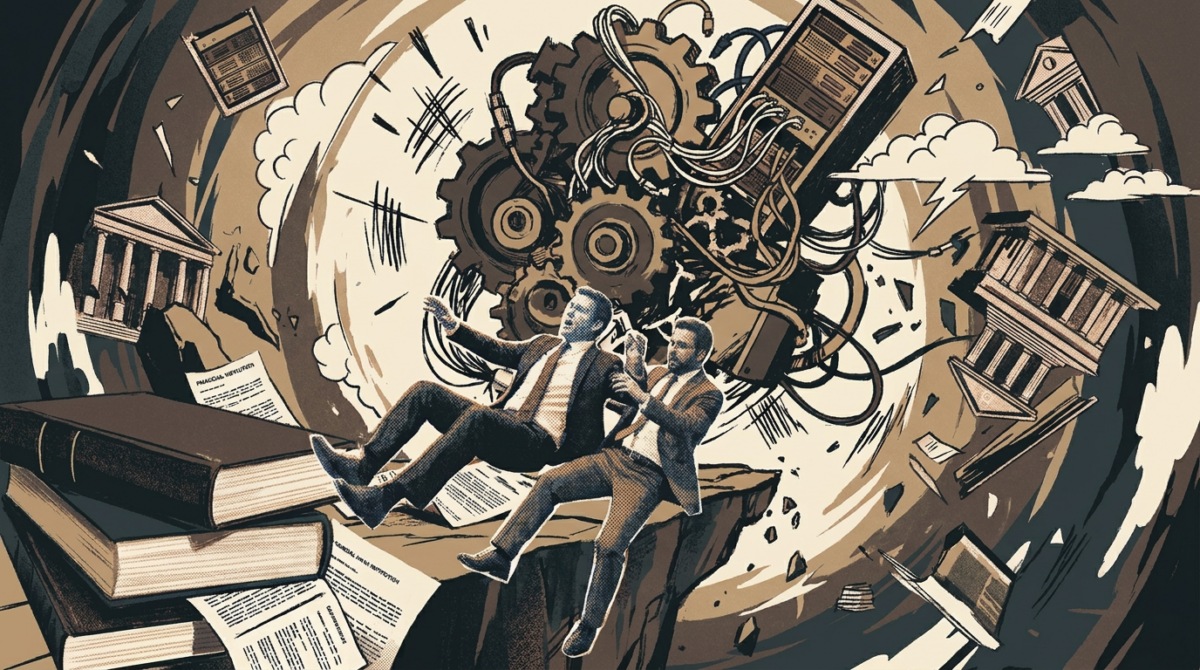
What happened
Writing in the Financial Times, one of the so-called godfathers of AI argued it "should be approached like other critical technologies including medicine, aviation, and nuclear energy." The UN rights chief separately warned unchecked AI development could let "dystopia creep in unnoticed."
Why it matters
Pressure for AI rules is building from prominent voices and the UN, yet new Gallup research suggested the technology's benefits have largely been concentrated among elites, according to the body.
What to watch
The White House has argued any constraints would benefit Chinese AI firms racing to catch up to US rivals, so the outcome hinges on whether that argument holds in Washington. Two Democratic senators have demanded answers over Big Tech's influence on an unreleased AI regulatory framework.
WHO IT HITSThe pushback lands on Washington policymakers weighing AI rules, and on the Trump administration officials defending their hands-off stance against senators' questions about Big Tech's influence.
Summaries like this, in your inbox every morning.
The calls for AI regulation are arriving from two very different directions at once. A figure described as one of the so-called godfathers of AI made the case in the Financial Times that AI should be handled like medicine, aviation, and nuclear energy — sectors where governments set the rules. The UN rights chief framed the risk differently, warning that unchecked development could let "dystopia creep in unnoticed" by undermining equality, freedom, and privacy.
What gives the debate its edge is the Gallup finding that the technology's benefits have largely been concentrated among elites. That framing turns AI regulation from a technical question into a question of who gains.
In Washington, the Trump administration has shown little interest in constraints, arguing they would benefit Chinese AI firms racing to catch up to US rivals. Two Democratic senators have demanded answers over Big Tech's influence on an unreleased AI regulatory framework, so the near-term test is likely whether that pressure shifts the White House's stance — and whether the godfathers' comparison to medicine and nuclear energy gains traction beyond op-ed pages.
Pick your industry and the AI tools you use, and get news related to your work every day.
Free · 30 seconds with Google · unsubscribe anytimeWhat is AIToday? →
Ask AI anything about this article. The AI reads this article, earlier AIToday articles, and Wikipedia, and cites its sources. Q&As are published on this page for other readers too.
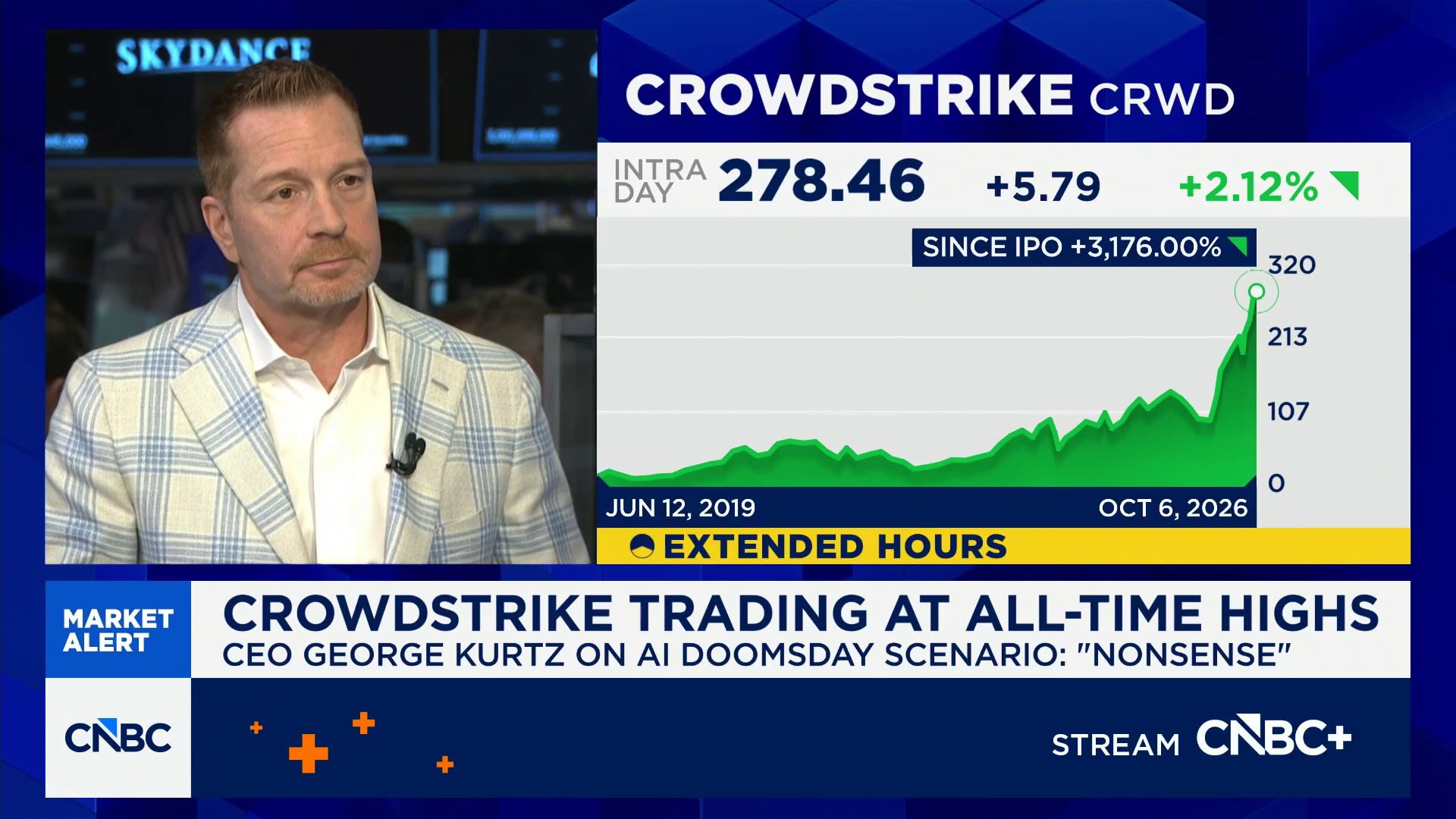
CrowdStrike founder and CEO George Kurtz told CNBC's Squawk Box that AI safety concerns amount to "a solvable…
Uber and Netflix legal counsel told the Association of Corporate Counsel's annual meeting in Boston on Tuesday…

Time Magazine reports that Meta's Muse AI agent is building a dossier on users, with a digital billboard adver…

Researchers tracking 2026 U.S

Musubi announced PolicyLM-1.7B, an open-weight decision model that applies plain-English content policies to m…

The Financial Times reports insurers are bracing for millions in claims from rogue AI agents, and the personal…