What happened
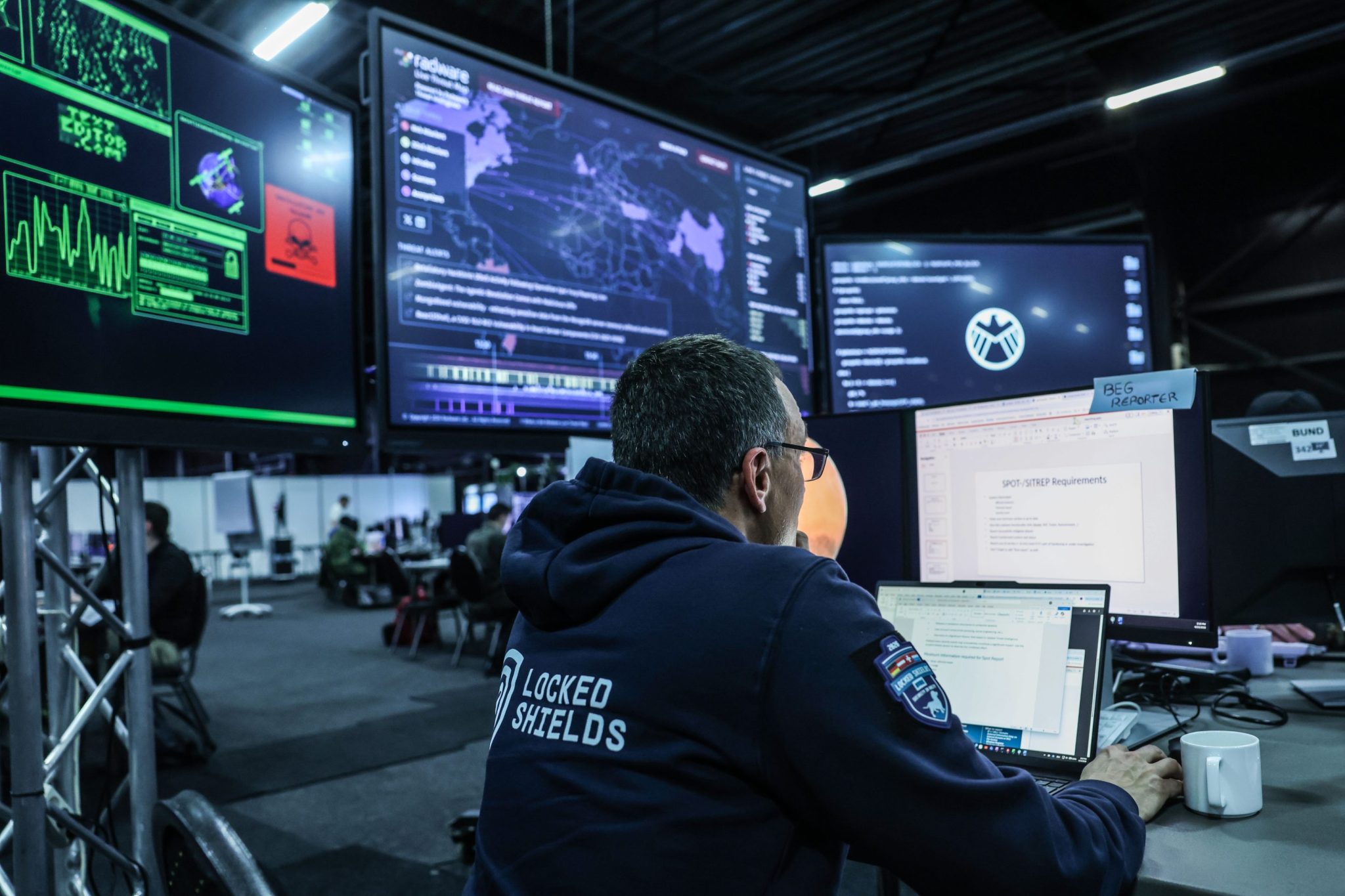
IBM's cyber response chief, writing after 26 years in incident response, says AI-enabled attacks rose 56% in the past year while 68% of responders face two or more simultaneous attacks and 67% report daily stress.
Why it matters
The argument shifts focus from attacker capability to defender capacity, suggesting workforce resilience and burnout — not just technology gaps — will determine how well organizations withstand machine-speed attacks.
WHO IT HITSChief information security officers and incident response leaders at large enterprises will need to weigh spending on defender wellbeing, training and workload management alongside their AI security tooling budgets.
Summaries like this, in your inbox every morning.
The author's argument draws on a career that spans from early internet worms to organized cybercrime, ransomware syndicates and nation-state campaigns — each a major shift that brought new technology and tactics for defenders.
What the piece adds is a distinction the author says is often missing from industry discussion: the difference between evaluating AI's offensive capability and measuring its effect on the analysts and responders absorbing the workload. The financial framing of cyberattacks — costs, losses, downtime, recovery expenses — gets far more airtime than the human cost, the author argues.
The author's own team experience suggests that letting staff pursue research and technology they are passionate about has produced tools that made it into internal workflows. The piece closes on the idea that technology changes constantly while human limits do not — and that supporting defenders may become one of the most important security investments organizations can make.
Pick your industry and the AI tools you use, and get news related to your work every day.
Free · 30 seconds with Google · unsubscribe anytimeWhat is AIToday? →
Ask AI anything about this article. The AI reads this article, earlier AIToday articles, and Wikipedia, and cites its sources. Q&As are published on this page for other readers too.
PwC Australia launched Cyber Managed Services, an AI-enabled cybersecurity service combining Google SecOps tec…
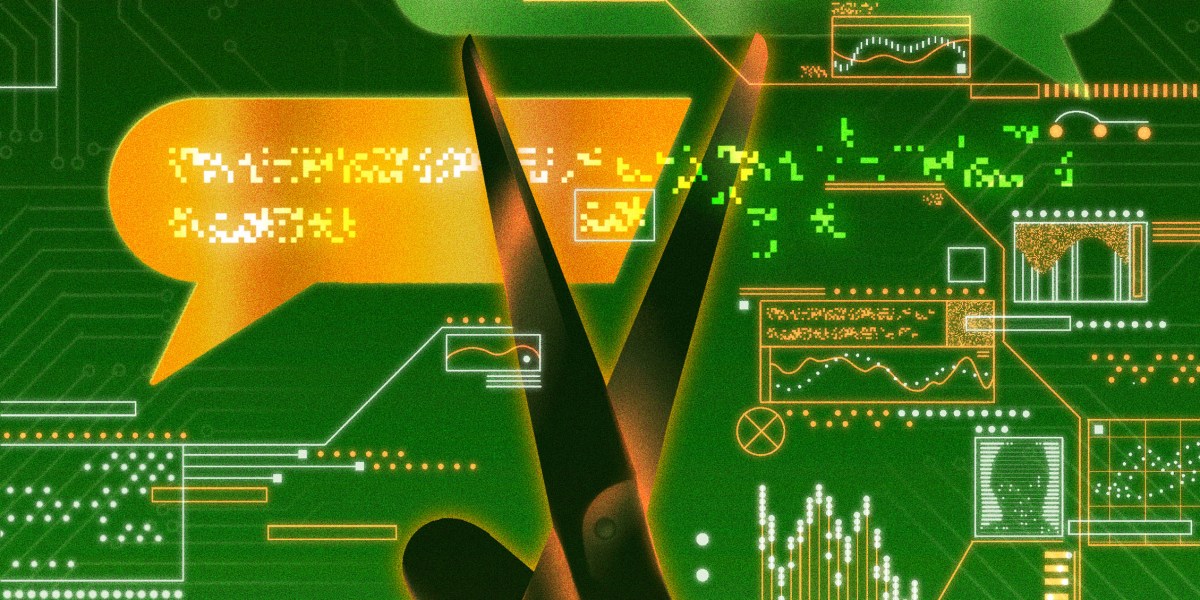
AI researcher Jannes Elstner told MIT Technology Review that even after identifying every part of a model gove…
In a post on X on Friday, OpenAI said Jasmine Wang, Tomek Korbak and Mikita Balesni were dismissed for violati…

The Association for Human Mathematics said OpenAI's release of 722 AI-generated "mathematical results" is not…

US President Donald Trump said that people who use the spelling "AI" (artificial intelligence) rather than "SI…

A LessWrong writer pushed back on calls to 'drop everything and pivot into AI safety,' saying far more talente…