
What happened
A solo developer who let Claude handle nearly all design and coding of a Unity game logged 88 mistakes in one month, against 138 tasks Claude finished. The largest group, 15 cases, was features that existed in code but were wired to nothing.
Why it matters
Almost all of those mistakes ran without any error, so they only surfaced when the game was played or measured — a failure mode that inspection or code review misses, and the developer notes the one Unity-usage error in the set was a single case.
WHO IT HITSSolo developers and small teams shipping games or apps on tight budgets, who cannot rely on crash reports or error logs to catch AI-generated mistakes, are the ones this lands on. Teams that review AI output only by reading code, rather than running and measuring it, may miss nearly all of the failures recorded here.
Summaries like this, in your inbox every morning.
The developer's setup is deliberately lopsided: he writes a full design first, then lets Claude implement it. That habit explains the dominant failure type he recorded. Claude implements what is written, but does not add the unwritten "connectors" between systems — and when Claude reviews the code, everything looks implemented, so it finds nothing.
The way the mistakes appeared is the more unusual part. Instead of surfacing as crashes or exceptions, they stayed silent and only became visible through play or measurement. That gap is what pushed the developer to change how he works: add a line to each feature spec saying where it breaks when it does not work, record how each mistake was caught, and spend review time on the rules unique to his own game rather than on Unity usage. His takeaway, after laying out all 88 cases, is that a day of playing surfaces what a month of reading code does not.
Pick your industry and the AI tools you use, and get news related to your work every day.
Free · 30 seconds with Google · unsubscribe anytimeWhat is AIToday? →
Ask AI anything about this article. The AI reads this article, earlier AIToday articles, and Wikipedia, and cites its sources. Q&As are published on this page for other readers too.
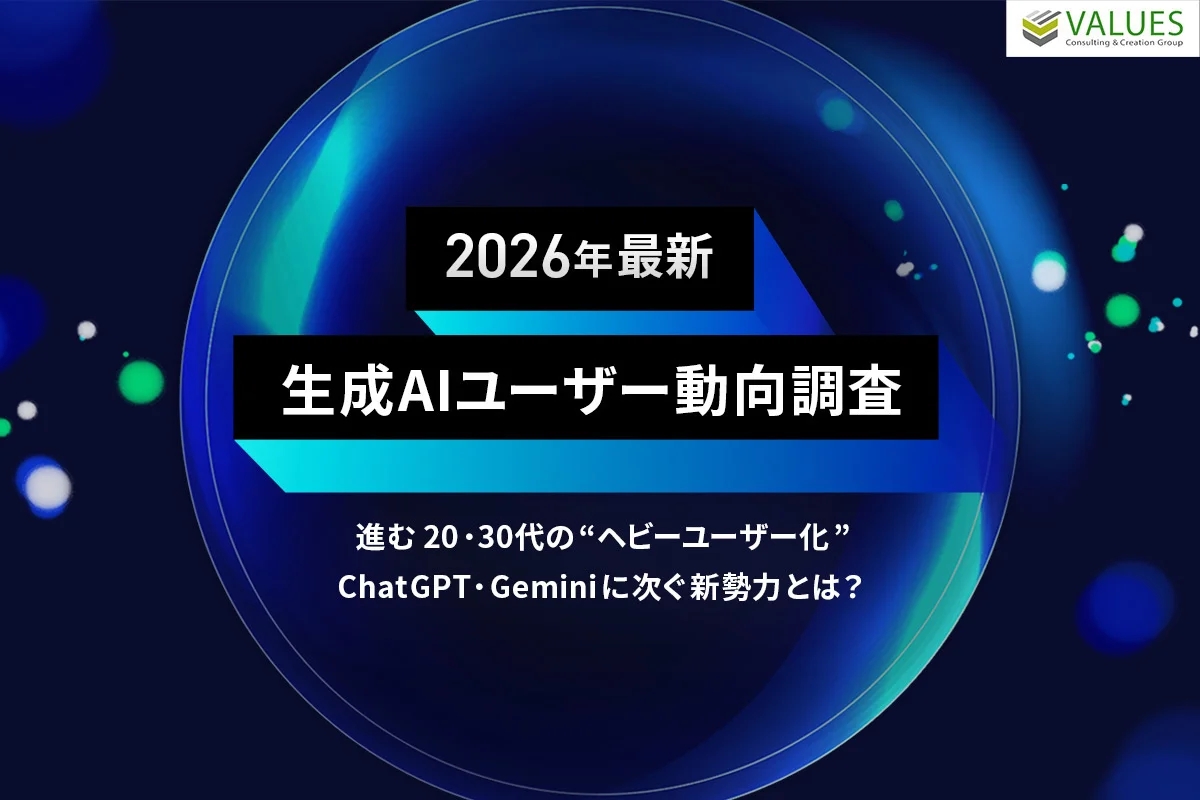
Valuence's "Generative AI User Trends Survey" (June 2024–May 2026) tracked six services including ChatGPT, Gem…
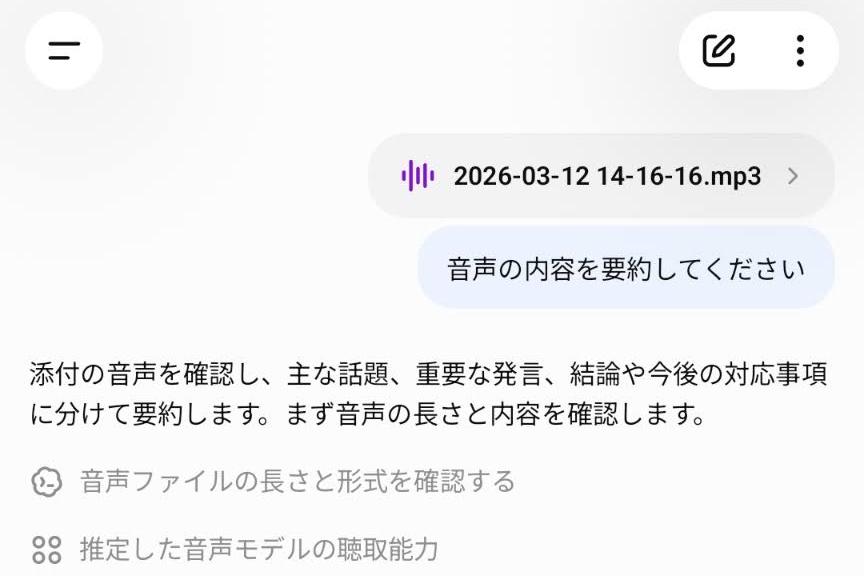
OpenAI began offering a ChatGPT feature that accepts uploaded audio files and can transcribe them, summarize t…
On a self-built 76-question Jev-format set, six trained 3B–9B open-weight models (Imajev-4B, Clef-Flash 9B, Je…

At Gemini at Work, Google introduced the Gemini agent, built into Gemini Enterprise, which gathers information…
Google released Google AI Edge Foresight, a free macOS Labs app that uses EmbeddingGemma 2 and Gemma 4 to tran…
The Association for Human Mathematics said OpenAI's release of 722 AI-generated "mathematical results" is not…