What happened
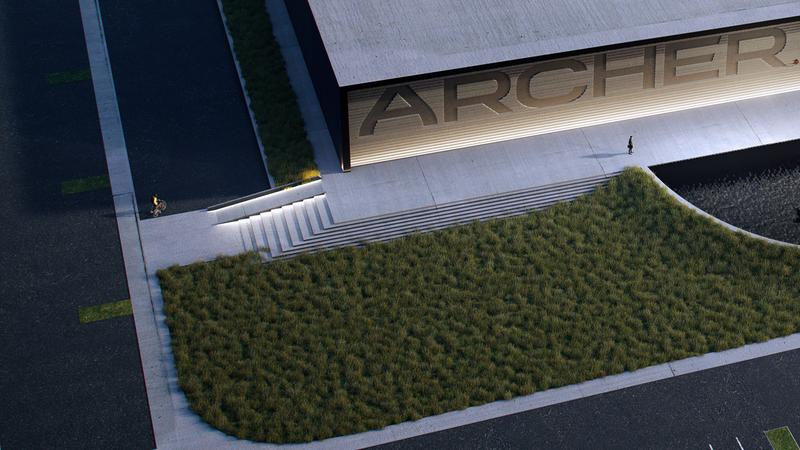
Archer Aviation unveiled Halo, an autonomous aircraft designed to carry cargo without a pilot, developed in partnership with Anduril Industries. Halo shares the same hybrid-electric powertrain and two tilt rotors with Thunder, Anduril's defense aircraft unveiled earlier this week.
Why it matters
Archer has spent years seeking FAA certification for Midnight, its four-passenger electric aircraft, but has not yet publicly demonstrated a piloted transition. Halo offers a potential alternative revenue stream by tapping into demand for autonomous cargo and logistics missions—delivering medicine to hospitals, supplies to disaster zones, or equipment to oil rigs—without the regulatory hurdles of a crewed aircraft.
What to watch
Halo's path to commercial operation remains uncertain; no firm orders have been disclosed, and no first-flight date was announced. Thunder is planned for flight testing in 2027. Archer must still secure FAA certification for Midnight, launch commercial operations, scale manufacturing, and prove profitability—challenges that remain unchanged by today's unveiling.
Summaries like this, in your inbox every morning.
Archer Aviation has faced persistent investor skepticism about whether it can bring a commercially viable product to market before cash constraints force a crisis. The company recently completed the third phase of the FAA's four-phase certification process for Midnight, its flagship four-passenger electric aircraft, but has not publicly demonstrated a piloted transition—a critical milestone that could allay concerns. The unveiling of Halo alongside Anduril's defense aircraft Thunder suggests a strategic diversification of Archer's business model: rather than relying solely on the heavily regulated path to certify Midnight for passenger service, Archer can explore autonomous cargo and logistics, a segment with demonstrable commercial demand. However, Marubeni Aerospace named as the strategic launch partner does not equate to firm orders, and the regulatory pathway for a civilian autonomous aircraft appears complex. As of the announcement, Archer stock declined roughly 1%, suggesting the market views the news as incremental rather than transformative—a rational response, since the core challenges (Midnight certification, manufacturing scale, profitability, infrastructure deployment) remain unchanged.
For example, today's edition would include:
AI-summarized, only the topics you pick — one digest a day via Email, Slack, or Discord.
Free · 30 seconds with Google · unsubscribe anytimeWhat is AIToday? →
Ask AI anything about this article. Q&As are published on this page for other readers too.
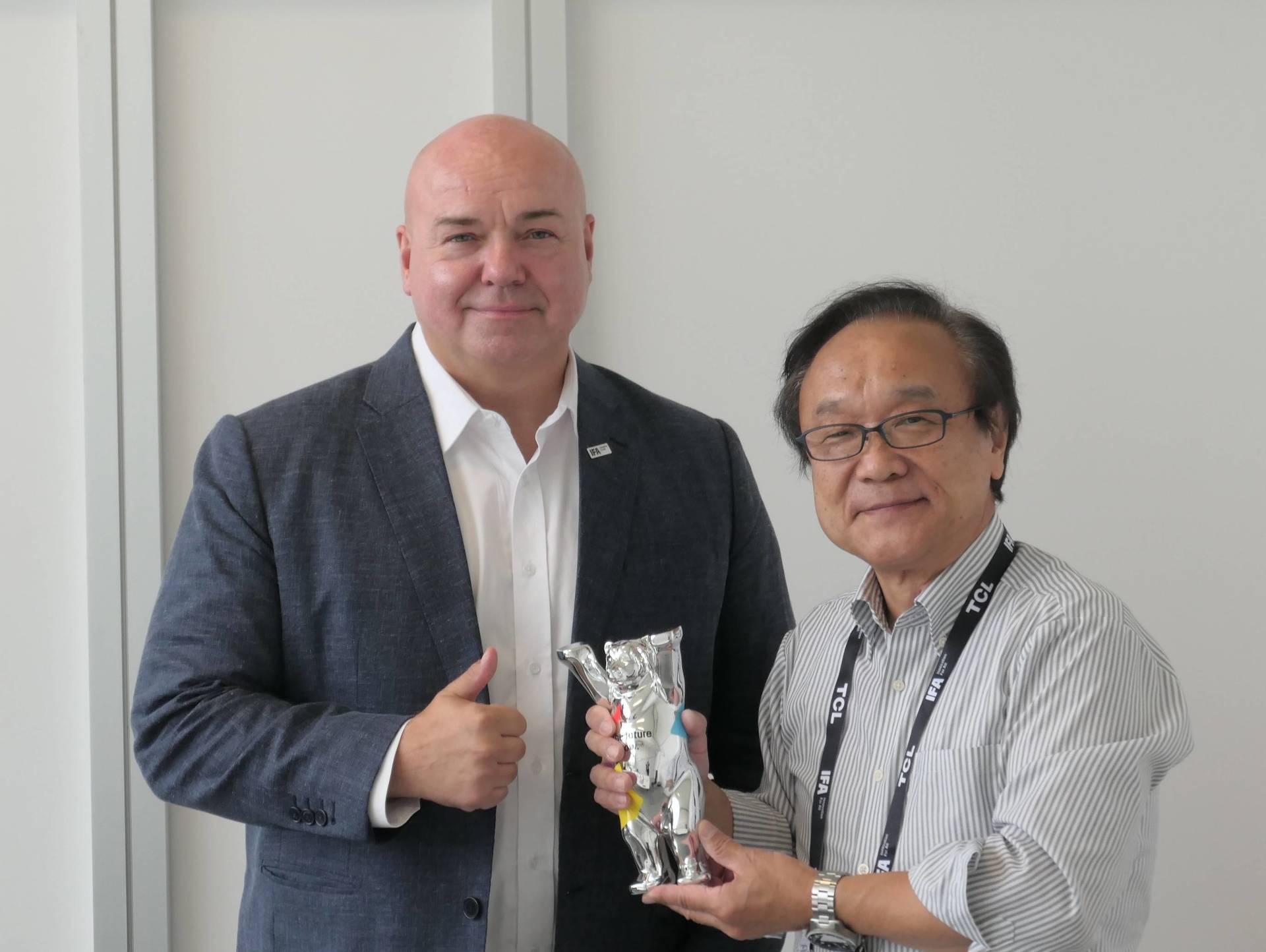
At IFA 2025 in Berlin, IFA Management CEO Leif Lindtner said Samsung Electronics left the fair after its leade…
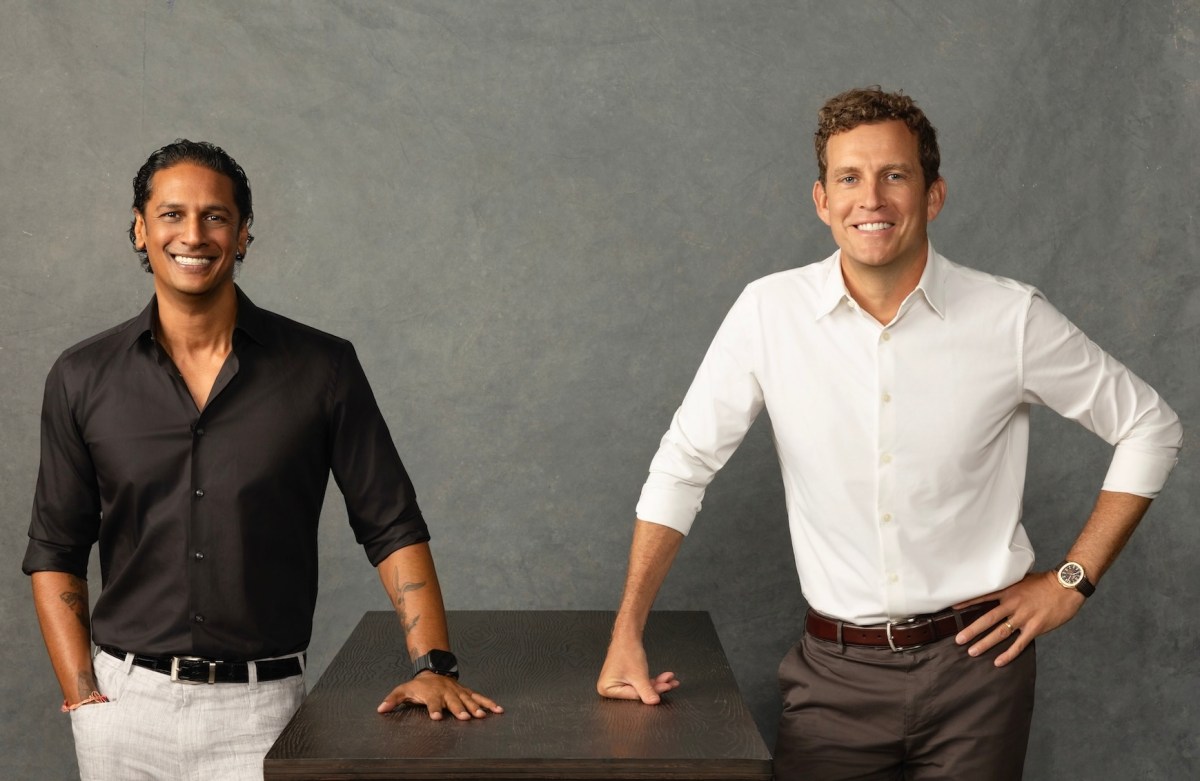
UP.Labs, now Vantora, raised $100 million from Silversmith Capital Partners and shifted to building physical A…
Toyota Motor Europe said at a mid-September investor tech briefing that it will deploy 400,000 self-developed…

住友電装 and エクサウィザーズ said they began jointly developing AI agents for production floors, pairing them with camera…

Reuters reported that Anthropic PBC opened a wet lab in the San Francisco Bay Area, where robots powered by it…
SoftBank Group agreed to acquire the Robotics and AI Institute from Hyundai Motor Group, according to multiple…