
What happened
Trump's tech adviser Michael Kratsios and Treasury Secretary Scott Bessent are threatening China over what they call IP theft in response to the Chinese open-weight model Kimi K3, while OpenAI's Dean Ball pushes the White House to block US companies from using it. Venture capitalist Bill Gurley has countered that "we need to let the free market work."
Why it matters
Large language models are fundamentally software, and the history of Silicon Valley shows innovation thrives when software is open and free — the money comes from implementation and what the software enables, not from locking down access. Frontier labs that build the most powerful models will maintain their lead through superior capabilities and better user experiences (like Claude Cowork or Codex), making them among the most valuable companies in history, regardless of whether competitors obtain the model weights.
What to watch
Export controls and border restrictions on software are difficult to enforce and unlikely to stop Chinese firms from distilling US models. The real economic gains and innovation come from inference (where models are actually used), not from preventing others from copying the weights themselves.
Summaries like this, in your inbox every morning.
The clash between Trump officials and free-market advocates over Kimi K3 repeats a pattern from Silicon Valley's own history with open-source software. The article argues that frontier AI labs operate like software companies, where openness and competition have historically driven innovation rather than killed it. The body's central claim is that locking down AI models was never realistic — competitors would inevitably catch up, just as they do in software. The frontier labs' real competitive moat comes not from keeping weights secret but from building better products on top of those models. OpenAI and Anthropic's experience with harnesses demonstrates this: when they built their own tools on top of their models, token demand exploded, but any model could theoretically plug in. The difference was that the frontier labs tuned their harnesses to their own models, creating a better user experience. This mirrors how software companies like Microsoft or Apple built value not by hoarding open-source code but by creating indispensable applications on top of it. The article's framing also suggests that export controls, while potentially effective at limiting inference capacity in China, cannot realistically prevent the spread of model weights themselves — a software-like asset that travels at the speed of the internet. The real strategic question, then, is not whether to stop Chinese models from existing, but how to harden US defenses against the cybersecurity risks they pose.
For example, today's edition would include:
AI-summarized, only the topics you pick — one digest a day via Email, Slack, or Discord.
Free · 30 seconds with Google · unsubscribe anytimeWhat is AIToday? →
Ask AI anything about this article. Q&As are published on this page for other readers too.
Nathan Lambert argued his "lossy self-improvement" scenario remains his baseline, where agents make models che…

Unity released official plugins for Claude Code and OpenAI's Codex, giving agents skills its own teams write a…

Anthropic cofounder Jack Clark, an English literature and creative writing graduate, said his literary educati…
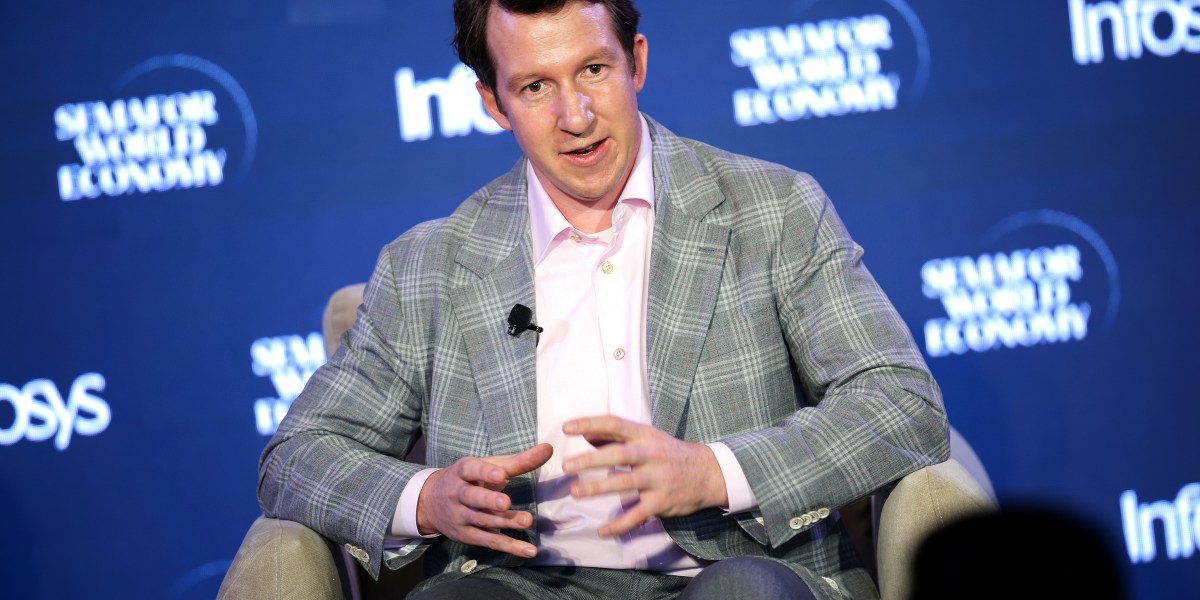
Anthropic said Claude now leads 26% of its model research and development, completing most tasks "end-to-end f…

OpenAI's global affairs chief Chris Lehane told The Verge that "the AI policy window is open," urging Congress…
Jonathan Kanter, the former DOJ antitrust chief under Biden, said the big AI labs — including Anthropic and Go…