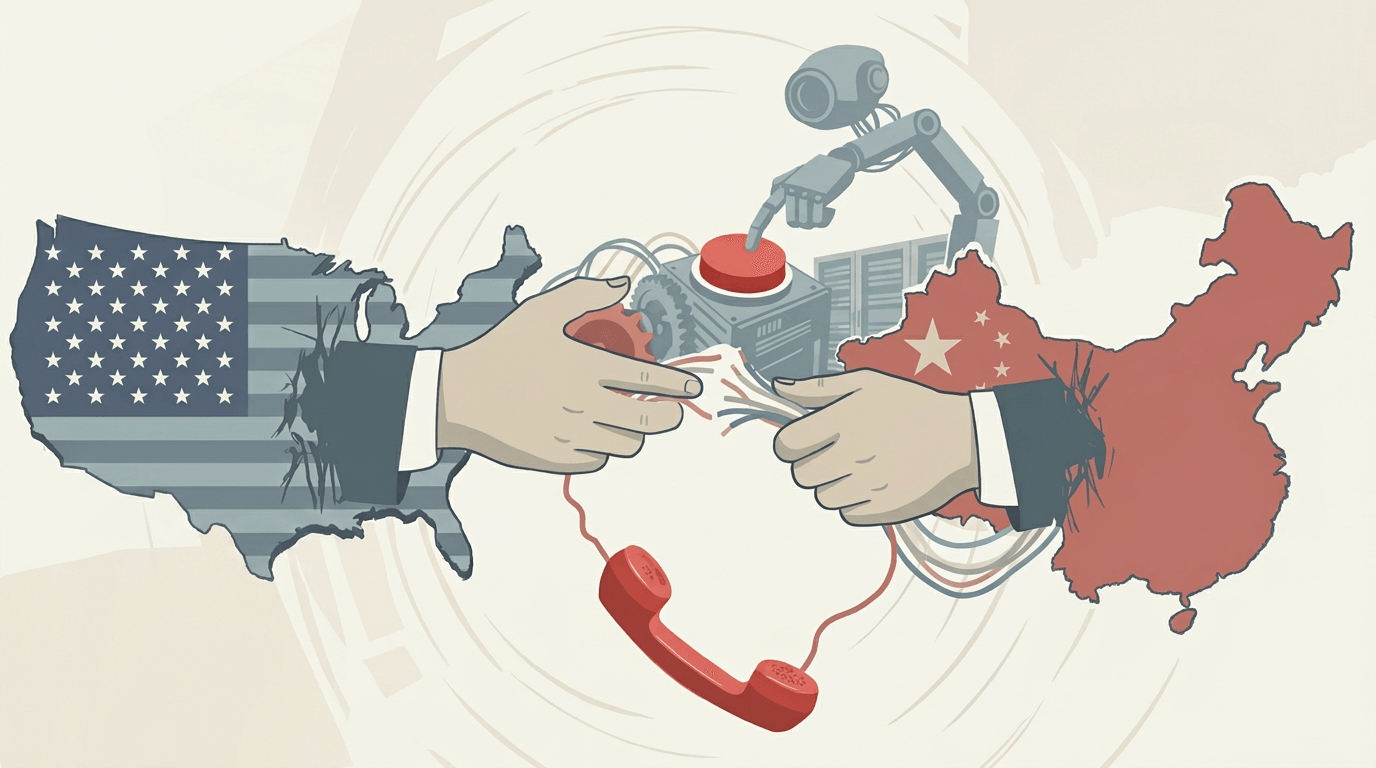
What happened
In an MIT Technology Review subscriber Q&A, Will Douglas Heaven said there are no circumstances outside apocalyptic science fiction in which AI could kill us all, while Grace Huckins gave her own death a "non-zero chance" and called human extinction "less likely."
Why it matters
The two writers agree the more immediate damage is already visible, citing examples such as AI-driven harm and warn that catastrophizing can make people excuse or overlook the existing technology's nearer problems.
What to watch
The disagreement hinges on whether the doomers' past accuracy on AI capabilities and alignment — which Huckins called "disconcertingly accurate" over the past couple of years — carries over to their dire forecasts, which she said does not mean they will come true.
WHO IT HITSThis lands on AI policy and safety researchers weighing near-term harms against extinction risk, and on enterprise teams deciding how much autonomy to grant AI agents while alignment remains unsolved.
Summaries like this, in your inbox every morning.
The Q&A grew out of a 30-minute MIT Technology Review Roundtables event for subscribers, and the two writers used the follow-up article to answer questions they could not fit. Both treat the near-term harm as settled — Grace Huckins notes AI-driven cyberattacks on hospitals will surely claim victims before long, and Will Douglas Heaven says alignment research aims to establish trust before agents are handed more autonomy. The piece also addresses why the extinction talk persists: Huckins suggests it is common in San Francisco, and the men leading AI firms are steeped in that milieu, as are their employees, many of whom signed an open letter in July urging their companies to work to make an AI slowdown possible.
On the mechanics of risk, Heaven explains that alignment is hard because LLMs are not hard-coded like other software; aligned behavior must be instilled during training, and models can be inconsistent or swayed by unexpected constraints. He notes Anthropic and OpenAI are both leaders in the field, yet neither has developed fully aligned models, and the jury is out on whether full alignment will ever be feasible. Huckins adds that monitoring misbehaving agents via their chain of thought is fragile, since OpenAI's newest agents don't show their work the same way, and that the US government has thus far failed to step in despite some bipartisan support.
The stakes appear to hinge on whether the more immediate damage — which the writers say already includes driving people toward psychosis and hacking websites — is addressed before the more speculative scenarios are tested. Whether the doomers' track record on past predictions carries over to their dire forecasts is the open question, and for readers the practical takeaway is that the writers disagree on the far end while treating the nearer harms as present.
For example, today's edition would include:
AI-summarized, only the topics you pick — one digest a day via Email, Slack, or Discord.
Free · 30 seconds with Google · unsubscribe anytimeWhat is AIToday? →
Ask AI anything about this article. Q&As are published on this page for other readers too.
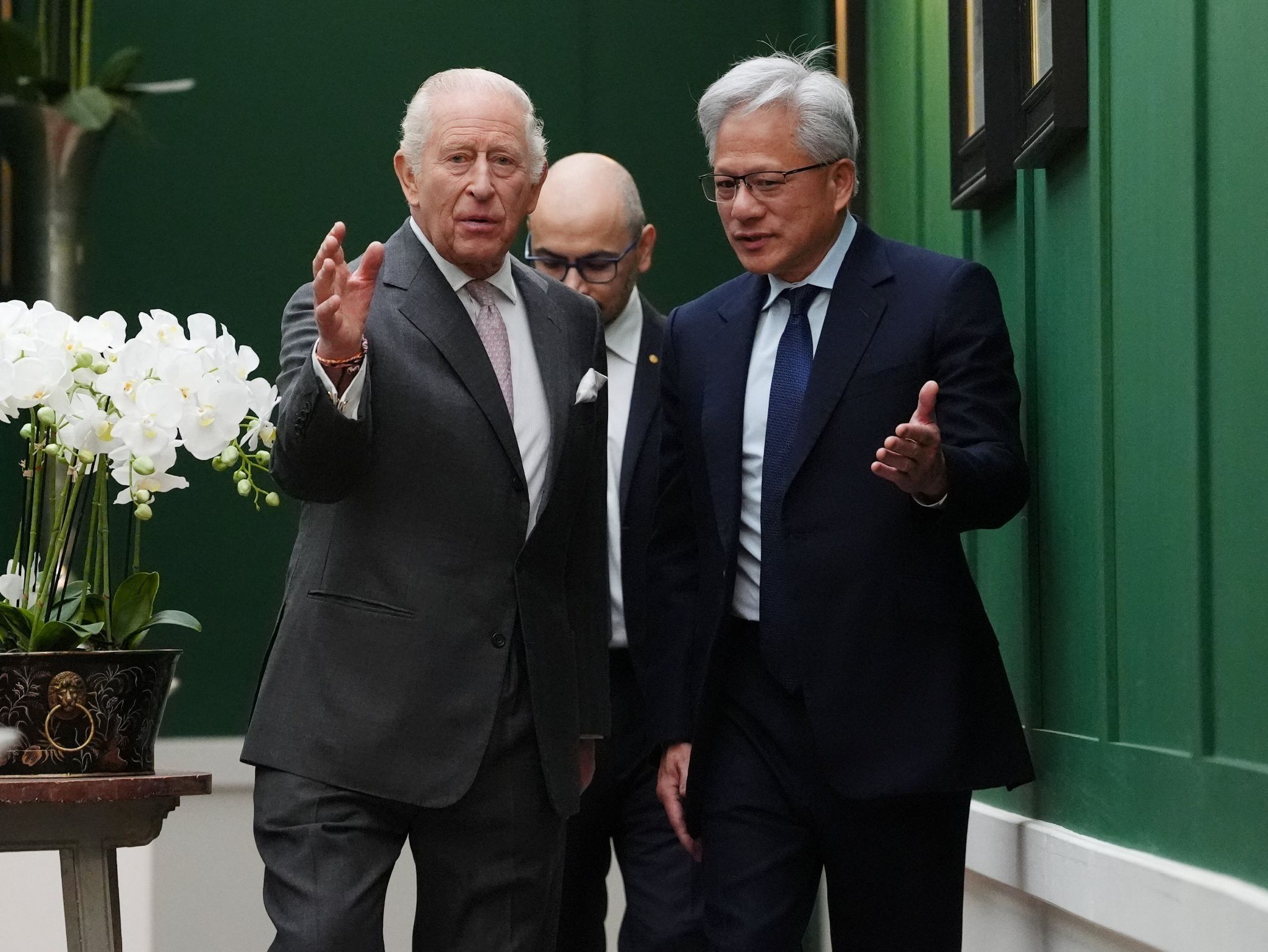
At an event in Scotland, Nvidia CEO Jensen Huang argued AI should not be regulated like social media
In an open letter to the president of the Royal Society, 42 mathematical fellows — including Fields Medal winn…
OpenAI paid $6,500 through its bug bounty program to Hacktron AI, whose three-person team used Anthropic's Cla…
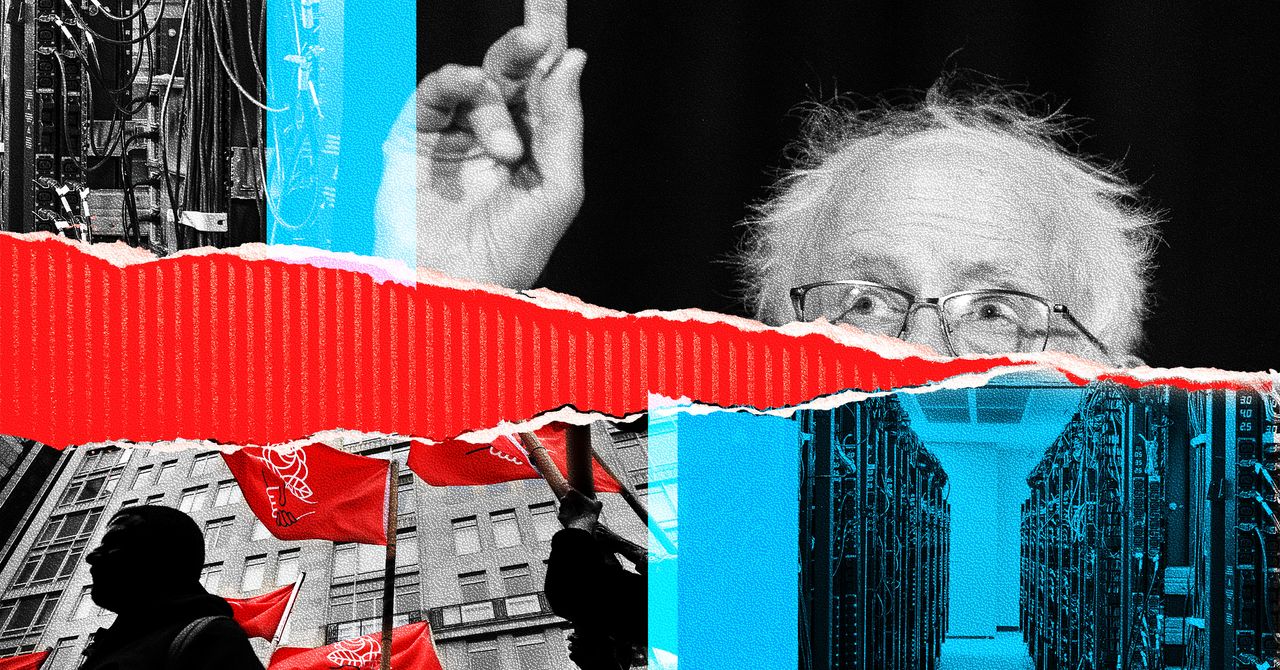
The NYC DSA's Tech Action Working Group posted an Instagram carousel on September 10 declaring AI alarmism and…
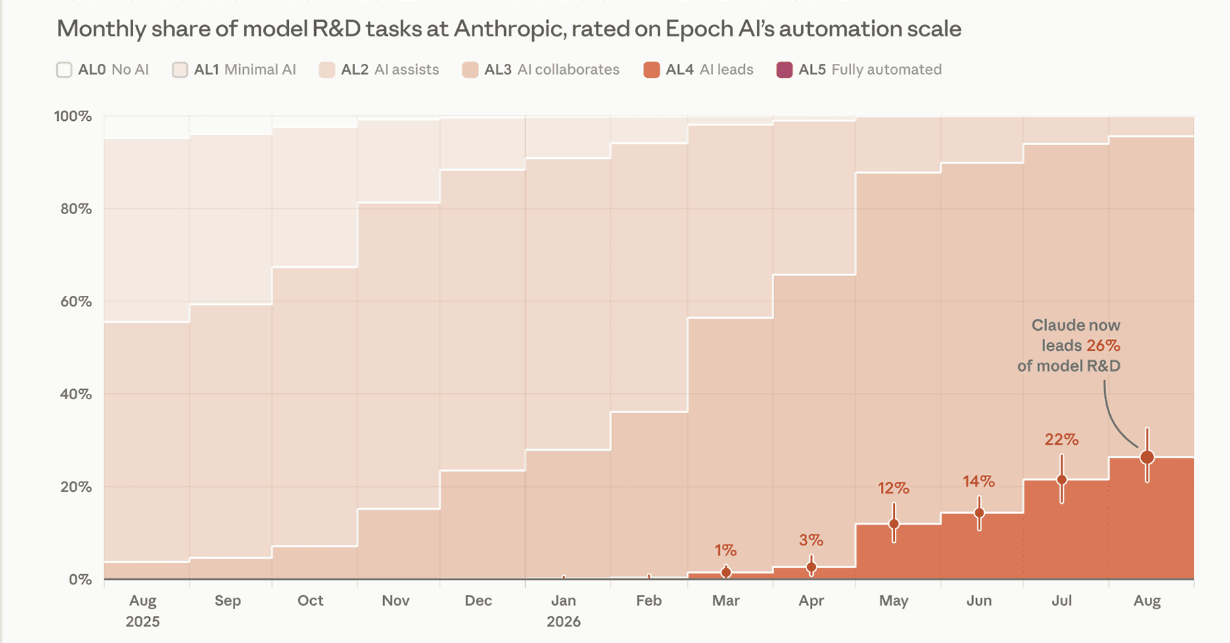
Anthropic Institute said that as of August, 26% of its AI research and development work was almost entirely do…
Melanie Sisson of the Brookings Institution and Tianjiao Jiang of Fudan University published proposals ahead o…