What happened
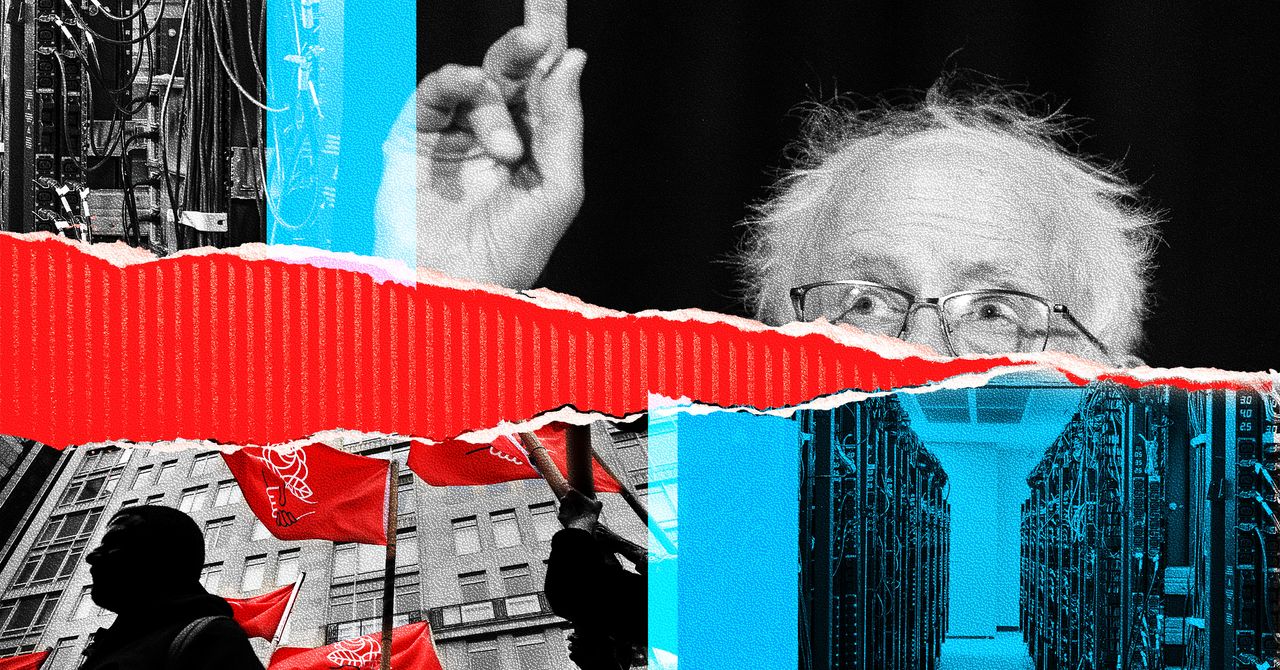
The NYC DSA's Tech Action Working Group posted an Instagram carousel on September 10 declaring AI alarmism and AI hype are the same distraction, drawing over 25,000 likes and dissent.
Why it matters
The post signals a widening split on the American left over whether to prioritize present AI harms or theoretical existential risks that some say echo tech companies' own messaging.
What to watch
The test is whether this internal disagreement reshapes which AI regulations the left actually backs, as a DSA convention resolution proposes support for a bill to ban superintelligence altogether.
WHO IT HITSThis lands on left-leaning organizers and Democratic candidates deciding which AI regulations to champion, potentially shifting resources toward present harms like data centers rather than existential risk.
Summaries like this, in your inbox every morning.
The Instagram post was authored by the NYC DSA's Tech Action Working Group, which focuses on tech regulation for the chapter, and it came two days after Jacob Coxon, a researcher who had recently quit Anthropic, sounded the alarm about AI potentially bringing about the end of humanity. Alan Dang of Tech Action tells WIRED that socialists don't trust corporations to craft their own regulations, while Alexander McCoy argues that frontier AI abilities are true and increasing in power. Senator Bernie Sanders has enthusiastically taken up AI safety, and his data center moratorium bill released in March explicitly linked pausing construction with protecting the future of humanity. That positioning has put him in unusual alliances, including with Steve Bannon, and inspired statements from left-wing candidates. AI researcher Timnit Gebru has accused Sanders and others of taking cues from what she calls doomsday eugenicist cults, and one NYC DSA member privately asked, 'what happened?' Rumman Chowdhury of Humane Intelligence thinks all the attention AI safety discourse generates ultimately benefits frontier labs, which can point to a regulatory regime when pursuing IPOs. Pragathi Barusubramanian says existential risk doesn't come up at all on the ground, where the concern is that AI and data center companies don't have people's interests at heart. The outcome of this debate hinges on whether the left can agree on which regulations to back, and for whom—voters, candidates, and the companies themselves—the stakes look different.
For example, today's edition would include:
AI-summarized, only the topics you pick — one digest a day via Email, Slack, or Discord.
Free · 30 seconds with Google · unsubscribe anytimeWhat is AIToday? →
Ask AI anything about this article. Q&As are published on this page for other readers too.
China's Ministry of Industry and Information Technology (MIIT) and National Development and Reform Commission…

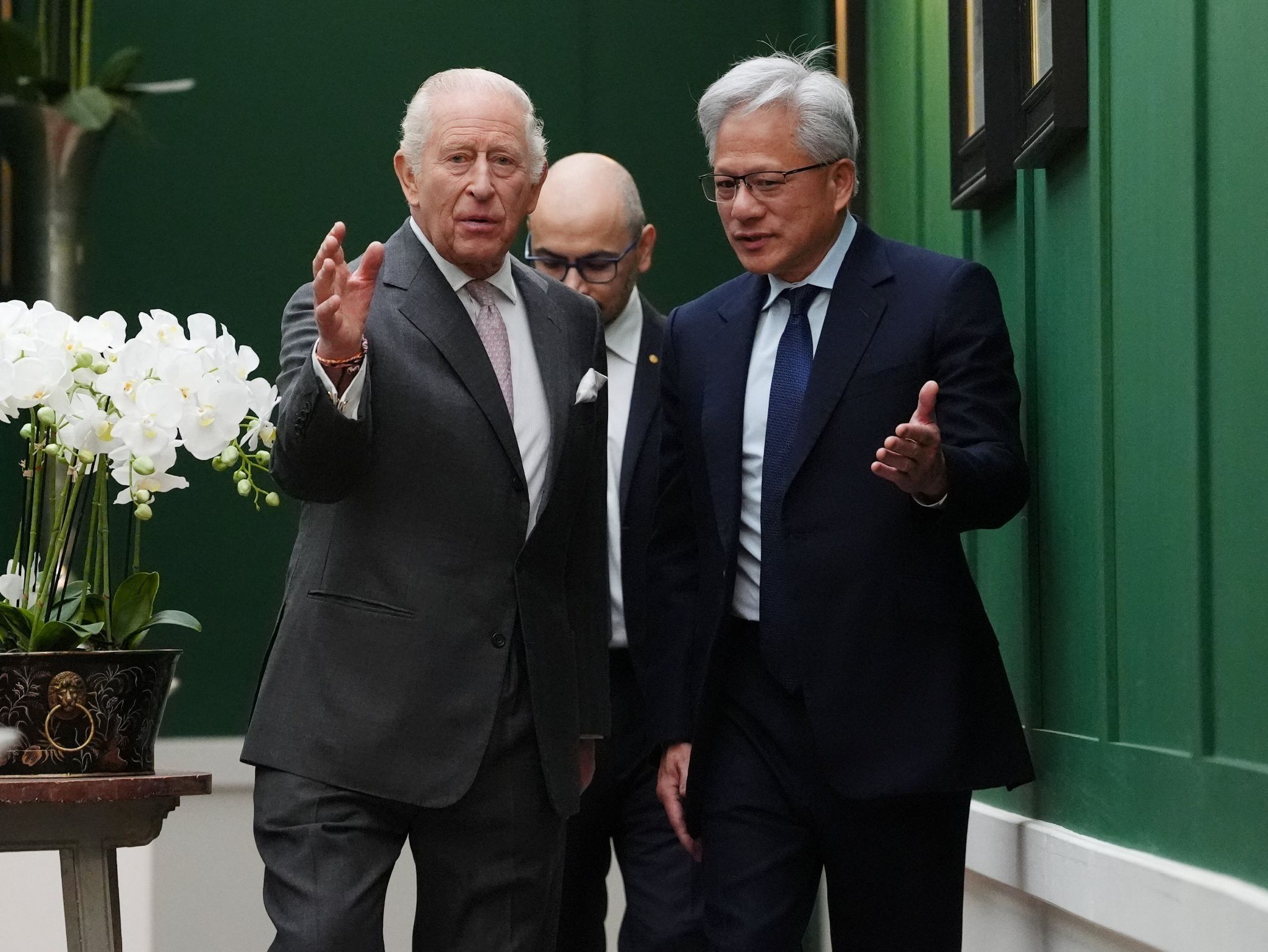
At an event in Scotland, Nvidia CEO Jensen Huang argued AI should not be regulated like social media
In an open letter to the president of the Royal Society, 42 mathematical fellows — including Fields Medal winn…
Cloudflare CEO Matthew Prince says bot requests hit almost 60% of web traffic in May, and Cloudflare this week…
OpenAI paid $6,500 through its bug bounty program to Hacktron AI, whose three-person team used Anthropic's Cla…
In an MIT Technology Review subscriber Q&A, Will Douglas Heaven said there are no circumstances outside apocal…