What happened
Researchers analyzed 33,596 pull requests across 2,807 repositories and found that 40.2% of repositories contain multiple AI-authored pull requests submitted simultaneously. When examining a one-week window, this rose to 53.4% of repositories. The study replayed 747 three-way git merges and measured textual conflicts: cross-agent pairs encountered 41.7% conflict rates, while same-agent pairs had 19.8%.
Why it matters
As AI coding agents become more prevalent, concurrent submissions to the same codebase create friction. Cross-agent conflicts are significantly higher and occur in approximately 4.3% of repositories examined (122 out of 2,807), suggesting that when different agents work on the same repo, their code changes collide far more often than when one agent submits multiple PRs. This friction could slow development workflows that rely on AI assistance.
What to watch
The study found that 84.4% of conflicted files involved source code modifications rather than dependency files, and nearly 42% of conflicts were structural (modify/delete or add/add operations). These patterns may guide future tooling to detect and prevent agent-to-agent conflicts before submission.
Summaries like this, in your inbox every morning.
The paper addresses a gap in understanding how concurrent AI coding agents interact when working on shared repositories. Prior research on AI-generated code has largely treated agents in isolation, but as these tools become standard in development workflows, the question of what happens when two or more agents submit changes to the same codebase simultaneously becomes urgent. The study's use of the AIDev-pop dataset—a large empirical corpus of agent-authored pull requests—allows for the first systematic measurement of this phenomenon.
The distinction between intra-agent and cross-agent conflicts is striking. When the same AI agent submits multiple pull requests to a repository (accounting for the vast majority of co-active pairs), merge conflicts occur in 19.8% of cases. However, when two different agents submit overlapping pull requests, the conflict rate jumps to 41.7%—more than double. This gap suggests that individual agents tend to work in consistent patterns and modify overlapping code in ways that can be reconciled, whereas different agents may not have compatible approaches to the same code regions. The finding that nearly 42% of observed conflicts were structural (modify/delete or add/add operations) rather than simple textual misalignments indicates that the friction goes beyond simple line-level collision; agents are making incompatible edits to code structure itself.
Pick your industry and the AI tools you use, and get news related to your work every day.
Free · 30 seconds with Google · unsubscribe anytimeWhat is AIToday? →
Ask AI anything about this article. The AI reads this article, earlier AIToday articles, and Wikipedia, and cites its sources. Q&As are published on this page for other readers too.
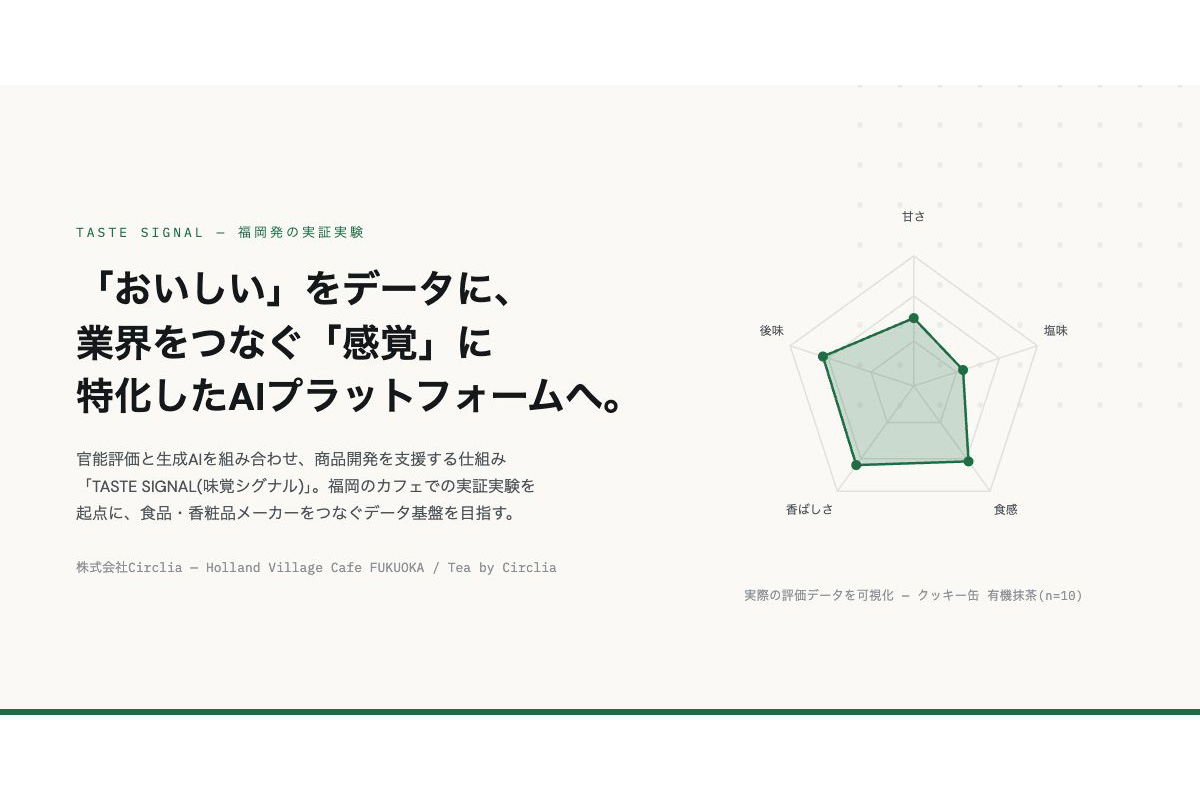
Circlia started a proof-of-concept for TASTE SIGNAL: visitors to Holland Village Cafe FUKUOKA taste cookies an…
In a webinar hosted by French Mathematical Society president Isabelle Gallagher, Fields Medal winner Hugo Dumi…

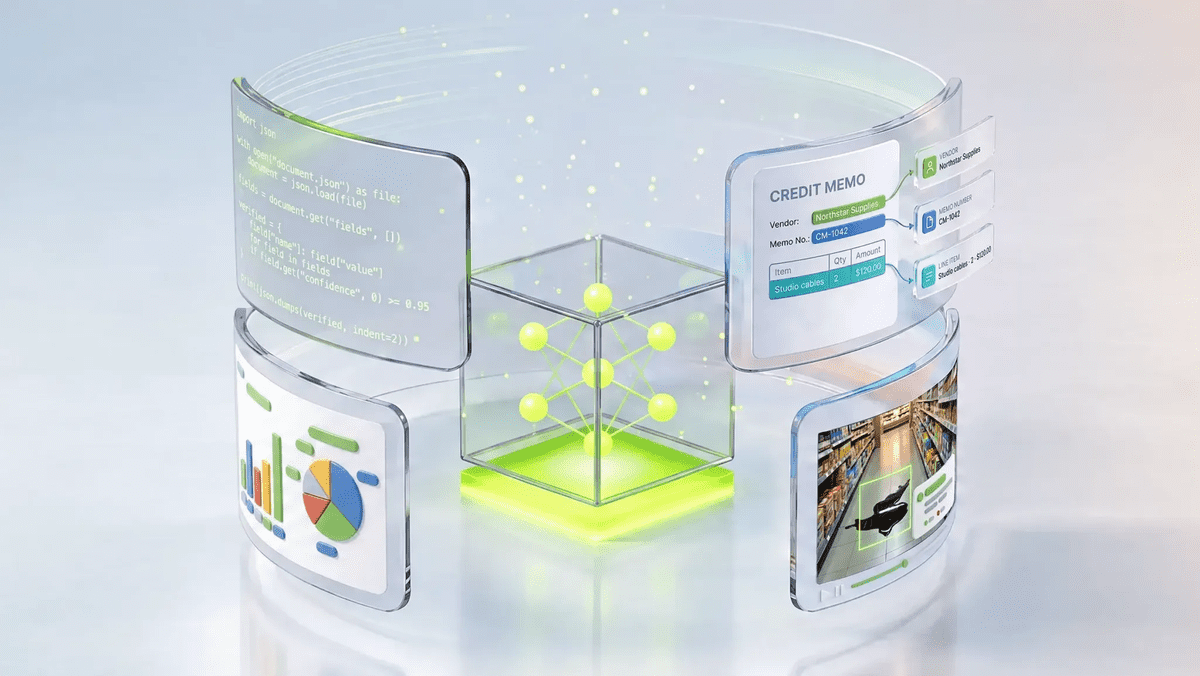
NVIDIA released Nemotron 3.5 Super VL, an open-weight model with 120 billion parameters that handles text, ima…
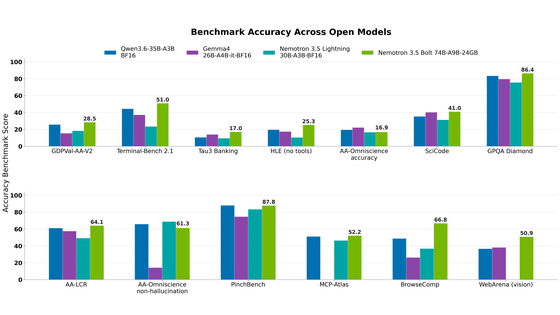
NVIDIA released Nemotron 3.5 Bolt 74B-A9B 24GB, an AI model for local agents that hits over 80 tokens per seco…
NVIDIA published a blog post titled "AI Security Is an Engineering Problem - How to Solve It at Every Layer of…

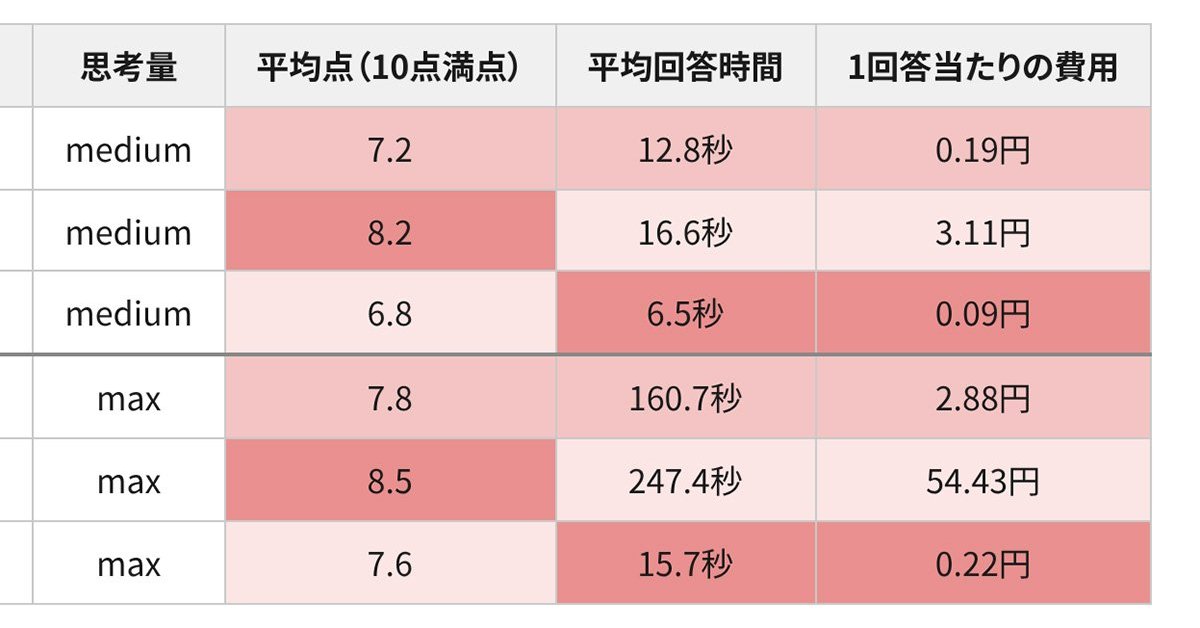
In the test, Haiku 5.5 on medium setting averaged scores close to Sonnet 5.5 on routine documents at about 1/1…