What happened
The PRA, FCA and Bank of England published joint effective practices on AI cyber risk on 19 November 2026, naming prompt injections, model and data poisoning, jailbreaking, autonomous AI agent attacks and deepfakes.
Why it matters
The paper is explicitly not a rulebook, but it steers banks, insurers and market infrastructures from traditional vulnerability management toward continuous exposure management, and introduces 'harness engineering' as a defensive discipline.
WHO IT HITSCompliance, risk and security teams at UK banks, insurers and market infrastructures are the immediate audience, since the paper tells them how to treat AI on both sides of their cyber perimeter.
Summaries like this, every morning.
The paper lands alongside a separate consultation on technology-neutral cyber resilience, CP17/26 and GC26/9, published the same day and open for feedback until 26 February 2027. The AI document is designed to sit alongside that consultation rather than stand alone, which suggests the authorities are treating AI risk as one strand of a broader cyber resilience review rather than a separate regime.
Its central argument is about speed. Advanced AI systems, the paper says, can analyse source code, identify vulnerabilities and discover attack paths at great speed, allowing threat actors to exploit vulnerabilities within hours or days rather than weeks or months. That is the stated reason for pushing firms from traditional vulnerability management, where discovery has historically been the main bottleneck, toward continuous exposure management.
The document also ties outcomes to the environment around the model, not just the model itself, arguing that the number of vulnerabilities a firm discovers and remediates may depend as much on the harness as on the underlying AI. Human oversight, it adds, must be meaningful, risk-based and capable of changing outcomes.
Pick your industry and the AI tools you use, and get news related to your work every day.
Free · 30 seconds with Google · unsubscribe anytimeWhat is AIToday? →
Ask AI anything about this article. The AI reads this article, earlier AIToday articles, and Wikipedia, and cites its sources. Q&As are published on this page for other readers too.
Meta is rethinking its climate goal after emissions rose 45%, a jump tied to the energy demands of AI, Axios r…

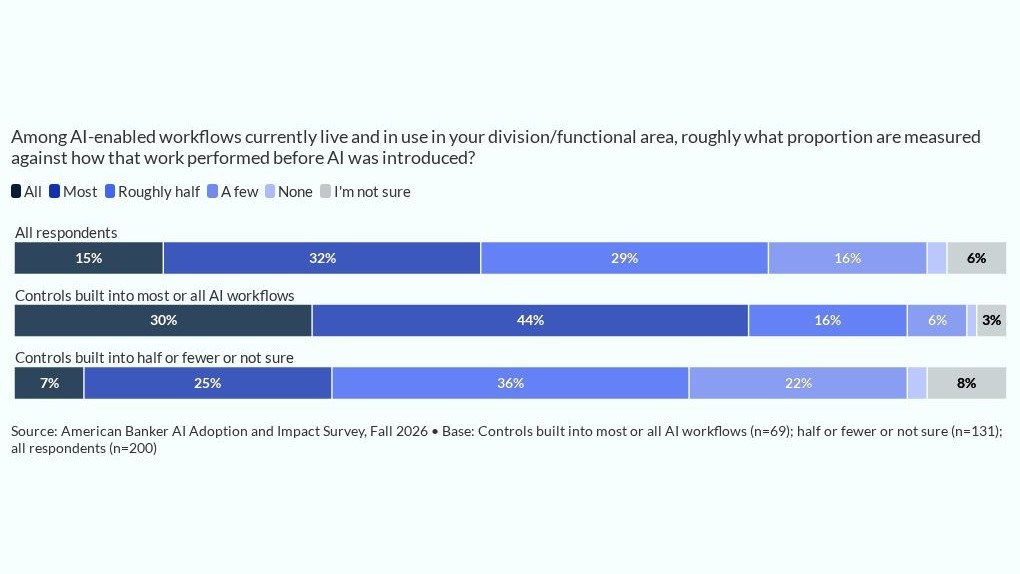
American Banker published exclusive research examining how JPMorgan's AI strategy is putting governance to the…
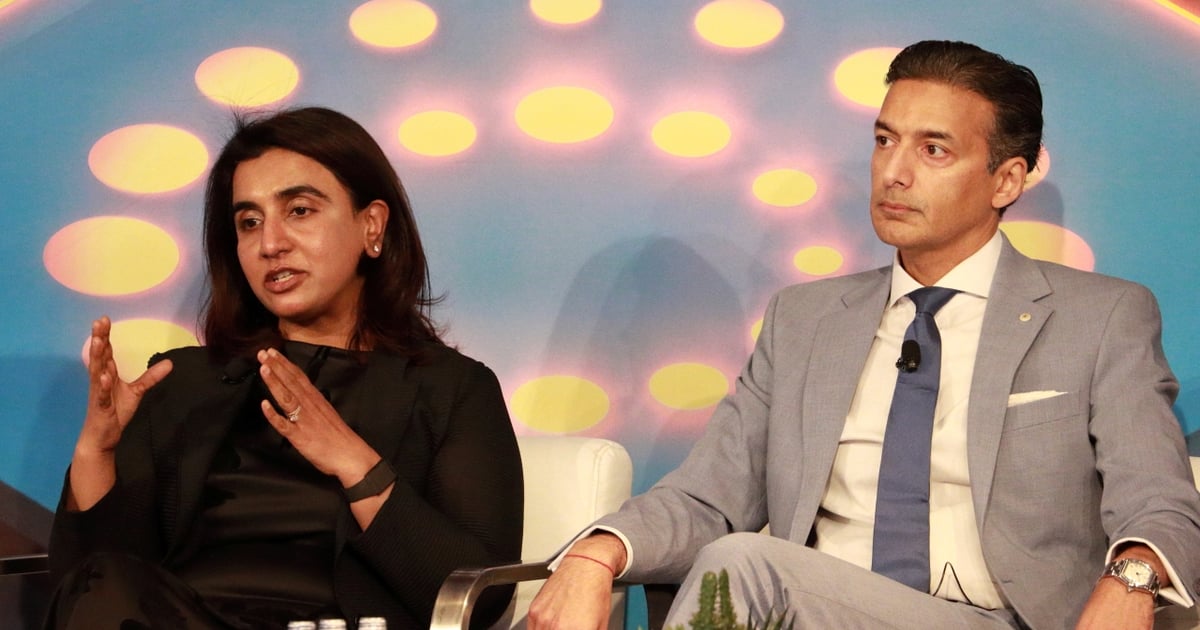
Charles Schwab chief strategy and innovation officer Nikhil Sudan said the firm tests new AI in a controlled e…
At the Cabinet Office's seventh AI Strategy Expert Panel meeting on October 26, academics and experts discusse…

In a commentary, NRI managing director Akihiro Matsue says AI will progressively take over judgment and approv…

OpenAI says attacks pulling protected reasoning from prior requests fell from a 54.0 percent success rate on G…