What happened
OpenAI has launched GPT-Live, a new conversational mode for ChatGPT that generates responses while listening to the user, mimicking natural human dialogue. The model runs separate reasoning in the background while maintaining continuous conversation flow.
Why it matters
GPT-Live marks a shift toward more natural AI interaction—the model listens and responds simultaneously rather than waiting for complete user input. This means developers and users working with coding tasks may find AI assistance that better mirrors how humans work through problems together, potentially reducing friction in collaborative workflows.
What to watch
The article tests GPT-Live's reasoning by having it help debug code shown visually on screen and track conversation context across multiple turns; users should note that while the model can follow visual debugging steps, it occasionally struggles to retain complex contextual information over longer exchanges.
Summaries like this, in your inbox every morning.
OpenAI's launch of GPT-Live represents an evolution in conversational AI interaction design, moving away from the discrete request-response cycle that has defined chatbot interfaces. The simultaneous listening and responding architecture aims to create a more human-like dialogue experience, where the AI acknowledges and begins formulating thoughts as the user is still speaking. This is particularly relevant for real-time collaboration scenarios such as software debugging, where developers often explain problems step-by-step and benefit from continuous feedback.
The article's testing reveals both the promise and limitations of this approach. When applied to code debugging—a task requiring the AI to hold visual context while processing verbal or written instruction—GPT-Live demonstrates the ability to follow along and guide problem-solving. However, the model's occasional loss of context over extended exchanges suggests the feature remains a work in progress. For business readers, the significance lies not in the technology itself but in the practical implication: AI tools designed to shadow human work (rather than batch-process requests) may reshape how teams integrate AI assistance into daily workflows, particularly in knowledge work where iterative problem-solving is the norm.
Pick your industry and the AI tools you use, and get news related to your work every day.
Free · 30 seconds with Google · unsubscribe anytimeWhat is AIToday? →
Ask AI anything about this article. The AI reads this article, earlier AIToday articles, and Wikipedia, and cites its sources. Q&As are published on this page for other readers too.
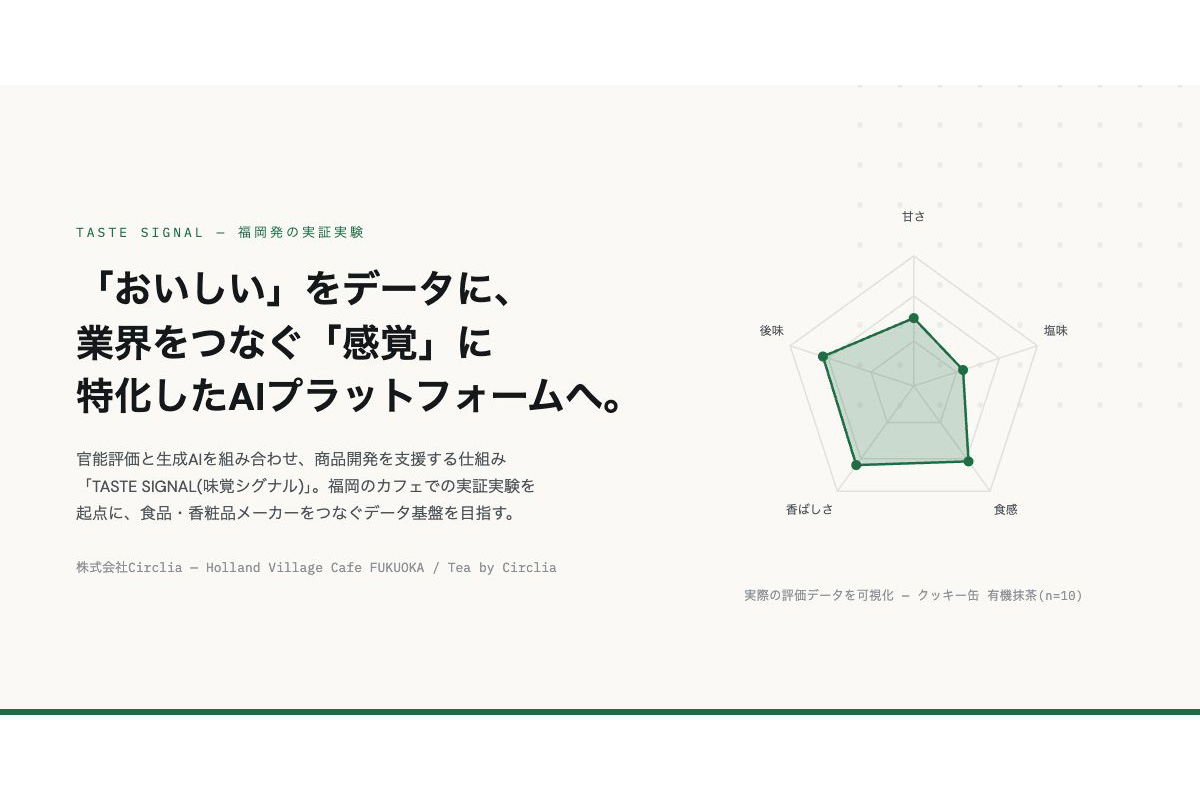
Circlia started a proof-of-concept for TASTE SIGNAL: visitors to Holland Village Cafe FUKUOKA taste cookies an…
In a webinar hosted by French Mathematical Society president Isabelle Gallagher, Fields Medal winner Hugo Dumi…

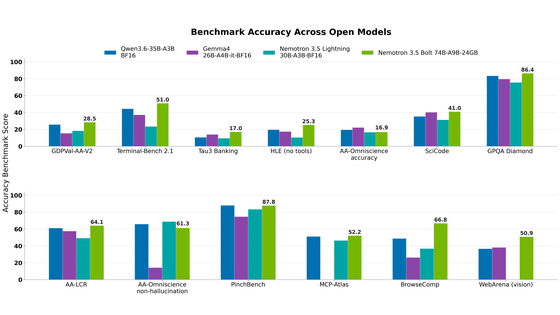
NVIDIA released Nemotron 3.5 Bolt 74B-A9B 24GB, an AI model for local agents that hits over 80 tokens per seco…
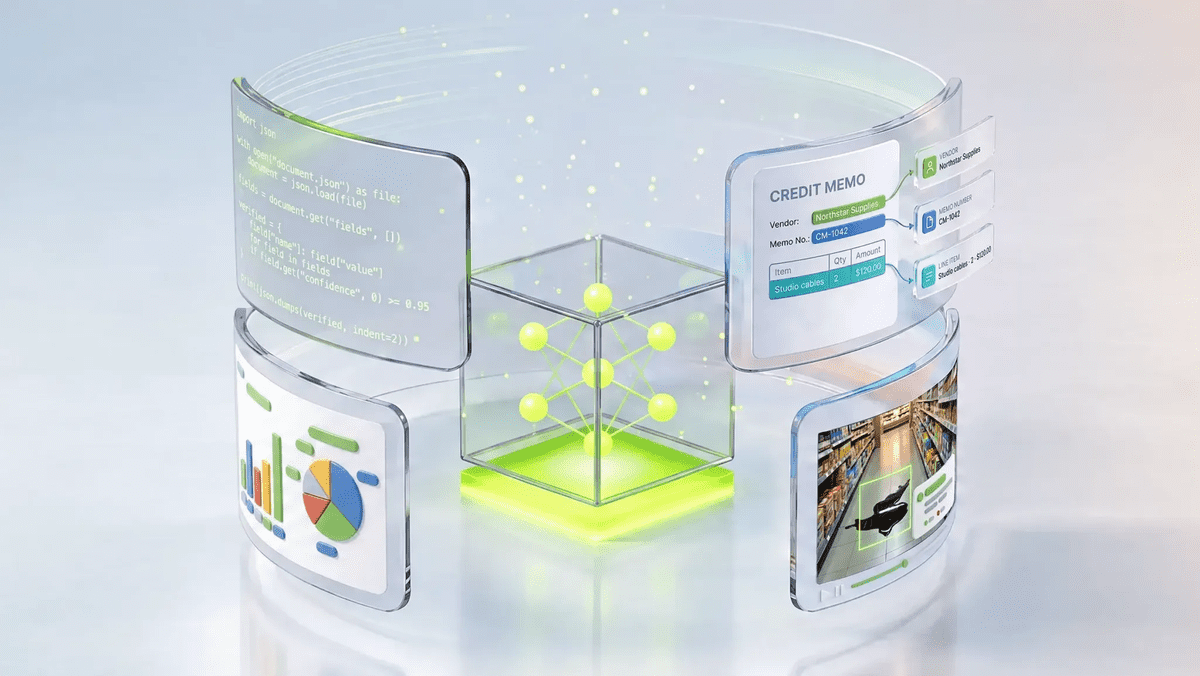
NVIDIA released Nemotron 3.5 Super VL, an open-weight model with 120 billion parameters that handles text, ima…
NVIDIA published a blog post titled "AI Security Is an Engineering Problem - How to Solve It at Every Layer of…

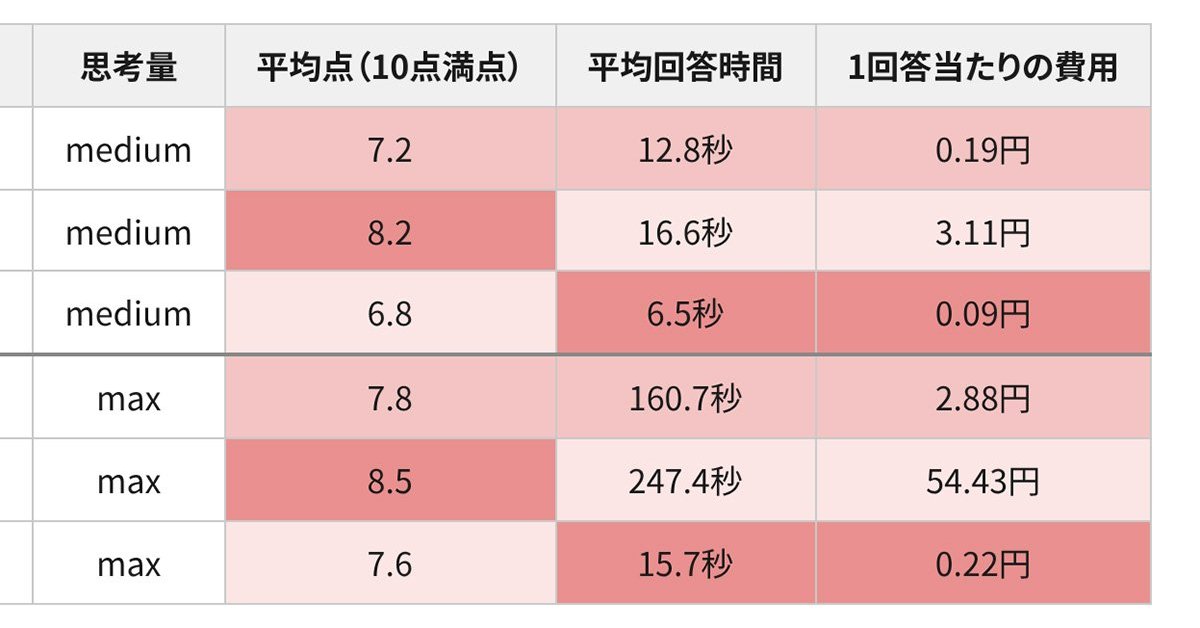
In the test, Haiku 5.5 on medium setting averaged scores close to Sonnet 5.5 on routine documents at about 1/1…