
What happened
Girish Balakrishnan (Netflix's Senior Director of Creative Innovation) and Joel Kuwahara (founder of animation studio FutureCel) discussed how AI is reshaping filmmaking and animation. Netflix used generative tools to fill stadium crowds in the period film Brazil '70, enabling shots the directors wanted but couldn't otherwise afford—scenes that would have been cut without AI.
Why it matters
Both executives argue AI is not replacing filmmakers but expanding what's possible within storytelling. Kuwahara, who has worked in animation for over thirty years (from The Simpsons to Bob's Burgers), sees AI as giving creators more iteration and chances to refine work—a shift that keeps the craft and artist vision central, not secondary. For Netflix, the bar for AI-assisted work remains unchanged: great stories by great storytellers.
What to watch
Kuwahara expects AI to find its own creative niche rather than displace existing media forms, as happened when TV, video games, and short-form video each created their own strengths. The conversation took place at the 2026 Runway AI Festival in Los Angeles.
Summaries like this, in your inbox every morning.
The conversation reflects a broader shift in how major entertainment platforms are integrating AI into production pipelines. Rather than adopting AI as a replacement for human creativity, Netflix and FutureCel frame it as a means to solve specific storytelling problems—in Brazil '70's case, filling stadium crowds authentically within budget constraints. Kuwahara's thirty-plus-year career in animation gives historical weight to his argument that new tools don't displace old forms; they create new niches. His point about iteration is particularly grounded: AI can let teams test multiple versions and gather feedback faster, which he sees as addressing a chronic limitation in animation—the labor-intensive nature of the medium has historically limited creative exploration.
Balakrishnan's framing at Netflix aligns with this: the company already has a long history of pairing technology with storytelling. For both leaders, the critical difference lies in keeping the artist and storyteller at the center. Kuwahara cautions against speed for its own sake, emphasizing that the final question must remain craft-focused—"Is it the best version? Is it funny? Is it telling the character's story?" This positions AI as subject to the same standards that governed animation and filmmaking before it, rather than as a separate category.
Pick your industry and the AI tools you use, and get news related to your work every day.
Free · 30 seconds with Google · unsubscribe anytimeWhat is AIToday? →
Ask AI anything about this article. The AI reads this article, earlier AIToday articles, and Wikipedia, and cites its sources. Q&As are published on this page for other readers too.
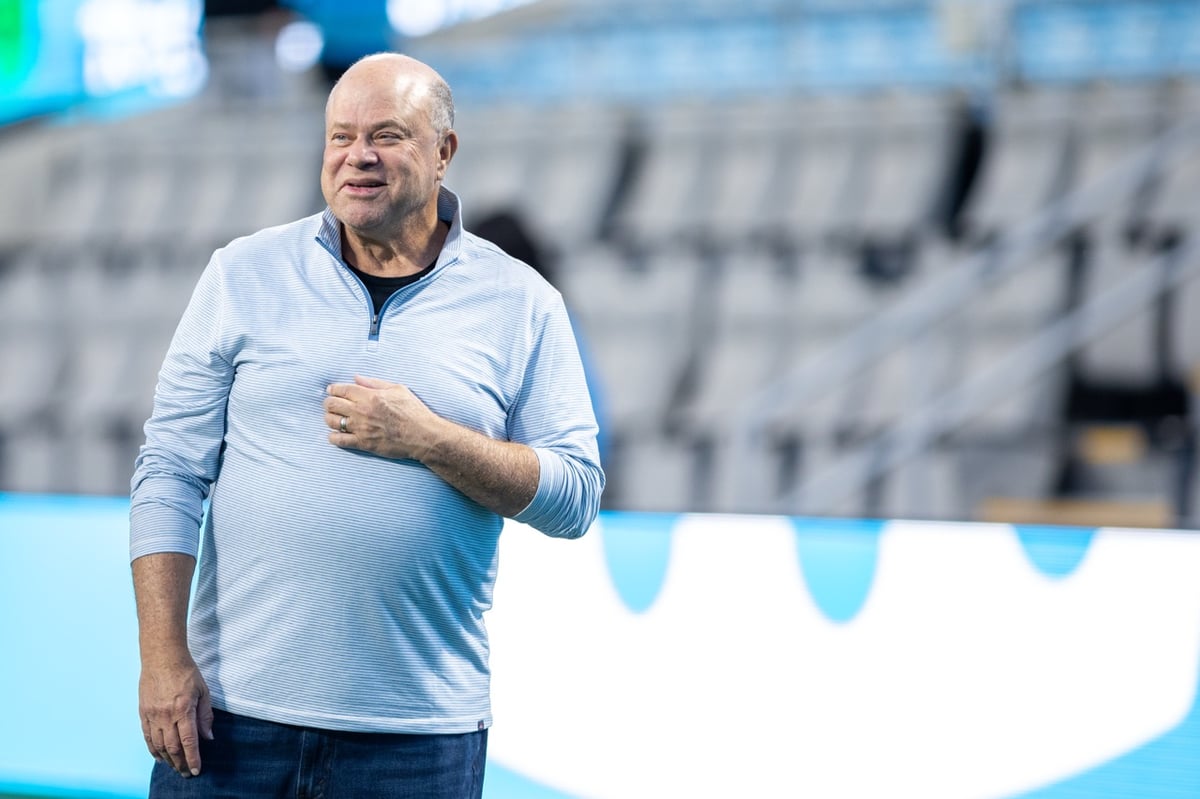
In Q2, billionaires or their funds sold six 'Magnificent Seven' AI stocks
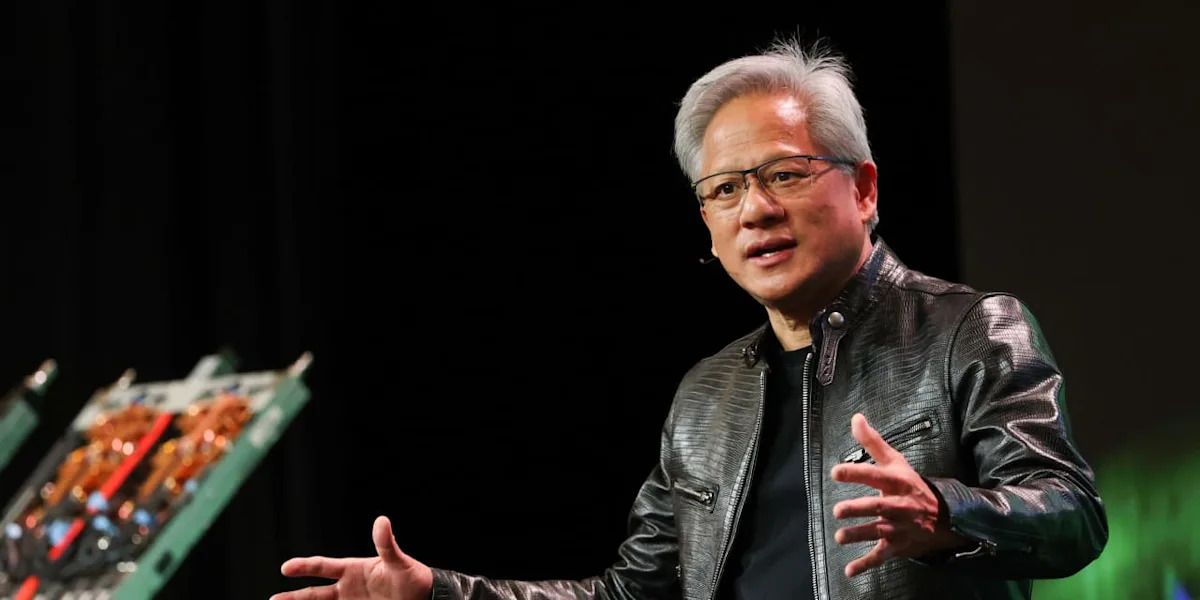
Nvidia was rising early Friday, even as the wider chip sector kept falling, Barron's reported
ElevenLabs completed a $300 million employee tender at a $22 billion valuation, and co-founder Mati Staniszews…

On October 15, OpenAI announced the Rosalind Academic Plan, giving approved US university labs free access to…

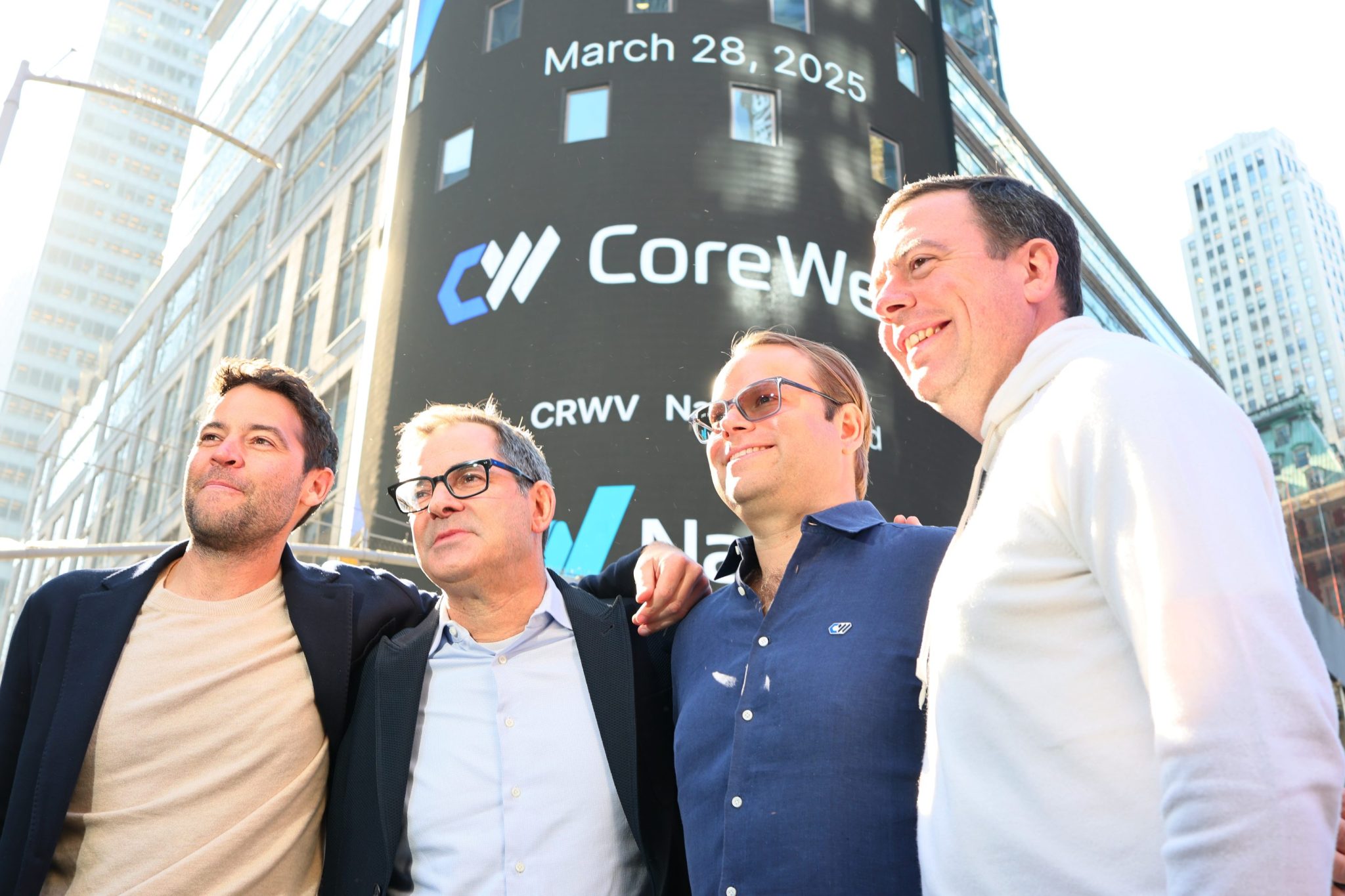
Neostellar Capital principal Evan Schlossman said CoreWeave's $103.7 billion in remaining performance obligati…
Supermicro Computer appointed Mark Long as chief financial officer, bringing an experienced technology finance…