What happened
Using data from 浅間下交差点周辺 (122 nodes) and 川崎市立幸高校周辺 (126 nodes), the author alternately fed each network's batches into one Shared Transformer, keeping graph, position and fully-connected layers per network, and saw both networks' prediction accuracy hold or improve slightly.
Why it matters
The result suggests a single Transformer can learn traffic-flow features common to multiple road networks, potentially removing the need to train a separate Transformer for each network, though the author frames this as a possibility.
Summaries like this, every morning.
This is the fifth installment in a series that builds traffic-flow prediction models from OpenStreetMap data and the UXsim simulator. Earlier rounds established a model for the 浅間下交差点周辺 area, tried transfer learning to a different network around 川崎市立幸高校, and then prototyped a multi-network model where one Transformer is shared across networks. That earlier shared model, however, had been trained only on 浅間下交差点周辺 data and simply reused for the other network. The new step is to actually train the Shared Transformer on both networks' data together. The author kept graph, position and fully-connected layers per network and shared only the Transformer and LayerNorm, starting from the previously trained weights. Because the two networks differ in size — 122 versus 126 nodes — a concern was that adapting too much to one network could degrade the other. The experiment did not show that degradation, which the author reads as a hint that the shared model is picking up traffic-flow patterns common to both networks rather than just each network's individual quirks. The next planned step is Batch Inference, processing multiple road networks in a single batch.
Pick your industry and the AI tools you use, and get news related to your work every day.
Free · 30 seconds with Google · unsubscribe anytimeWhat is AIToday? →
Ask AI anything about this article. The AI reads this article, earlier AIToday articles, and Wikipedia, and cites its sources. Q&As are published on this page for other readers too.
AIsmiley will hold AIエージェント博 2026 on 12/15-16, with a session on where AI agent adoption in finance stands and…

The final day of "ネットショップ担当者フォーラム 2026 秋" on November 6 features sessions by LINEヤフー and 楽天グループ on AI agent-er…

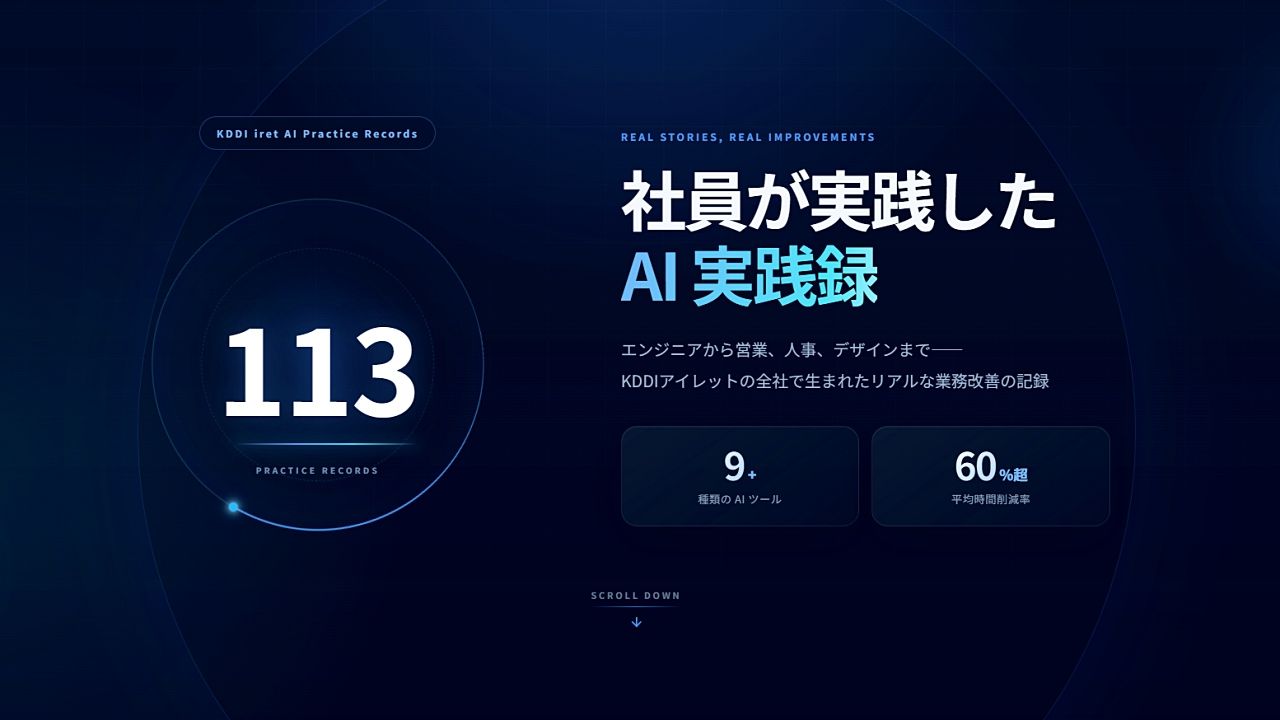
KDDIアイレット publicly released 113 internal AI use cases at no charge, with about 50 covering sales, HR and other…
At a Simeji business meetup held at Google's Shibuya office on October 29, 2026, Simeji operating head Yu Furu…

At the 2026 World Internet Conference Wuzhen Summit, which opened on November 4, leading Chinese tech companie…

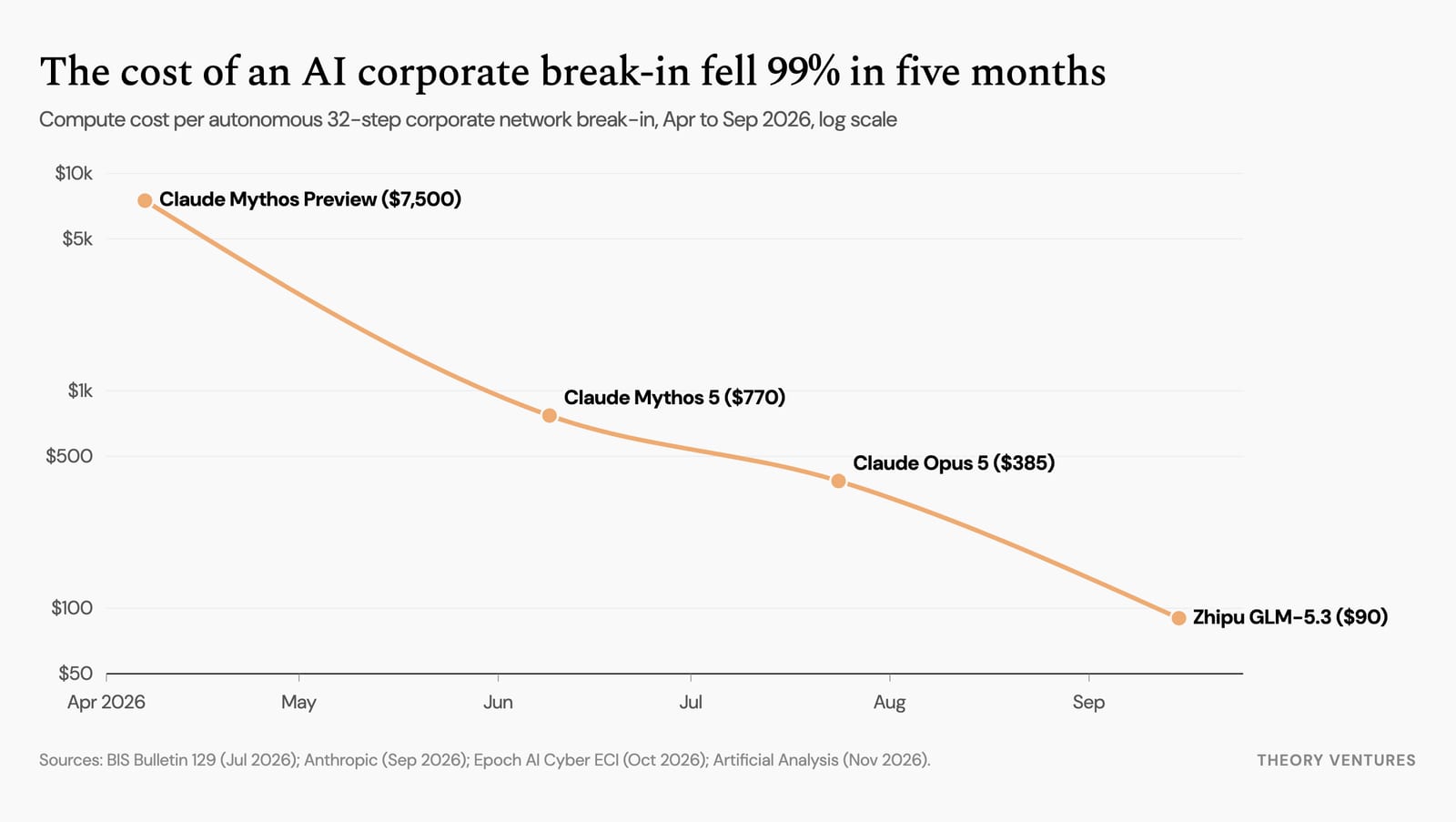
In April, Anthropic's Claude Mythos Preview and OpenAI's GPT-5.5 autonomously broke into a simulated 32-step…