What happened
China's leaders call AI a "strategic technology" and, after Xi Jinping's April 2025 call for self-reliance, aim to improve domestic models through deployment in manufacturing and government administration.
Why it matters
China's approach treats real-world use in factories and government offices as the way to make its own AI models better, not just to run them.
Summaries like this, every morning.
China's AI strategy is framed at the top: the country's leaders describe AI as a "strategic technology driving scientific and technological revolution and industrial transformation." That framing dates back at least to April 2025, when President Xi Jinping called for technological self-reliance and application-oriented development. The stated goal is not only to develop domestic AI models but also to improve them through deployment in manufacturing and government administration — a use-it-to-improve-it loop rather than a pure research push.
This sits in the broader U.S.-China competition that now spans semiconductors, energy, communications and manufacturing. It notes that the United States retains advantages in frontier models, advanced semiconductors, private capital, cloud infrastructure and developer ecosystems, and that capital expenditures by major U.S. technology companies exceeded $400 billion in 2025, compared with $63 billion in China. Those figures are presented as context for the scale gap, not as a verdict on China's deployment-focused path.
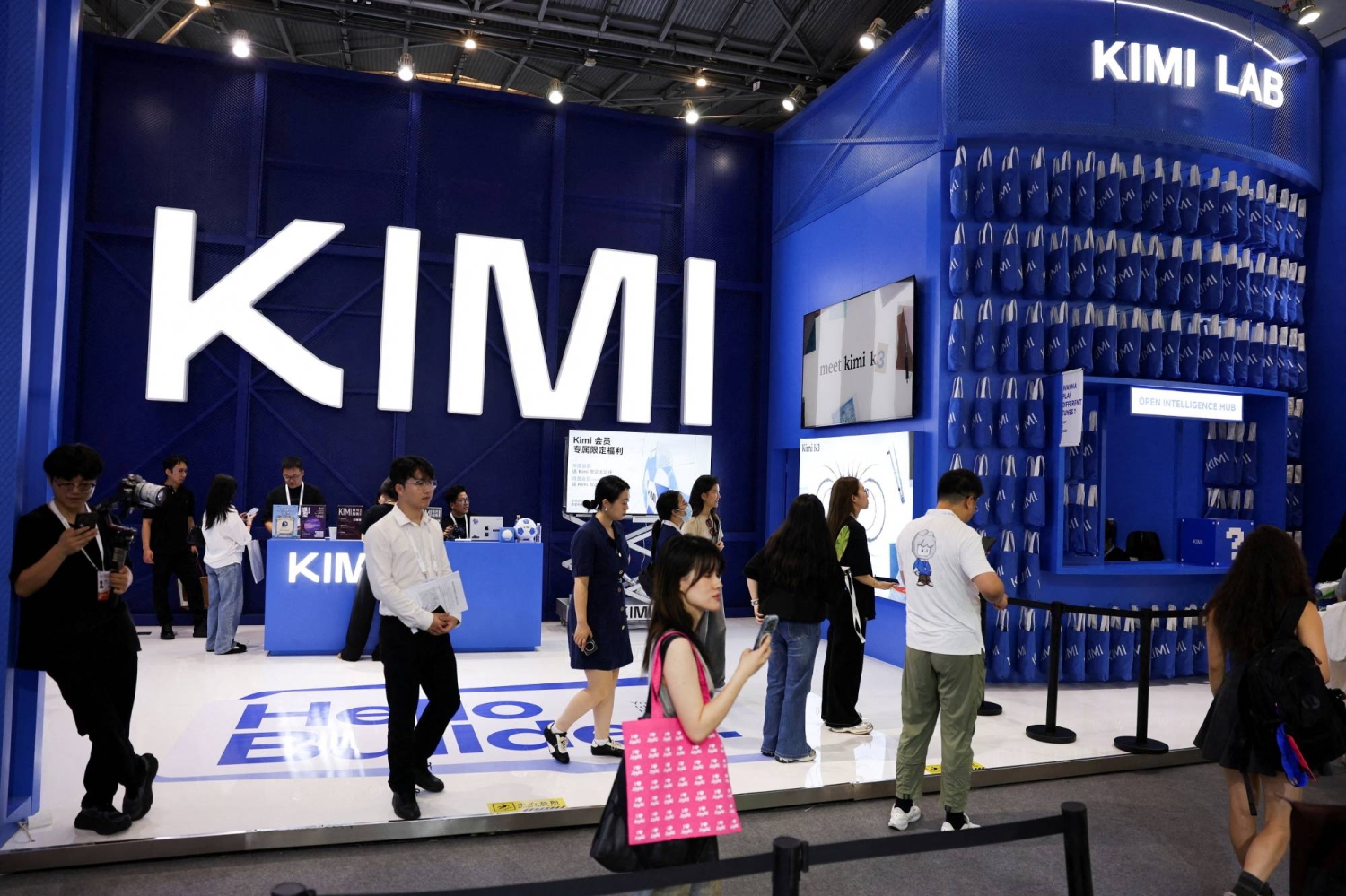
The visible shopfront for China's model push was the World Artificial Intelligence Conference in Shanghai, where visitors checked out the Moonshot booth promoting its Kimi K3 AI model in July.
Pick your industry and the AI tools you use, and get news related to your work every day.
Free · 30 seconds with Google · unsubscribe anytimeWhat is AIToday? →
Ask AI anything about this article. The AI reads this article, earlier AIToday articles, and Wikipedia, and cites its sources. Q&As are published on this page for other readers too.
NHS England lists 29 trusts as “realising benefits” from Palantir’s £330m data platform, but all 29 told the G…
Oracle is tapping investors for $20 billion to finance its AI expansion, according to Reuters

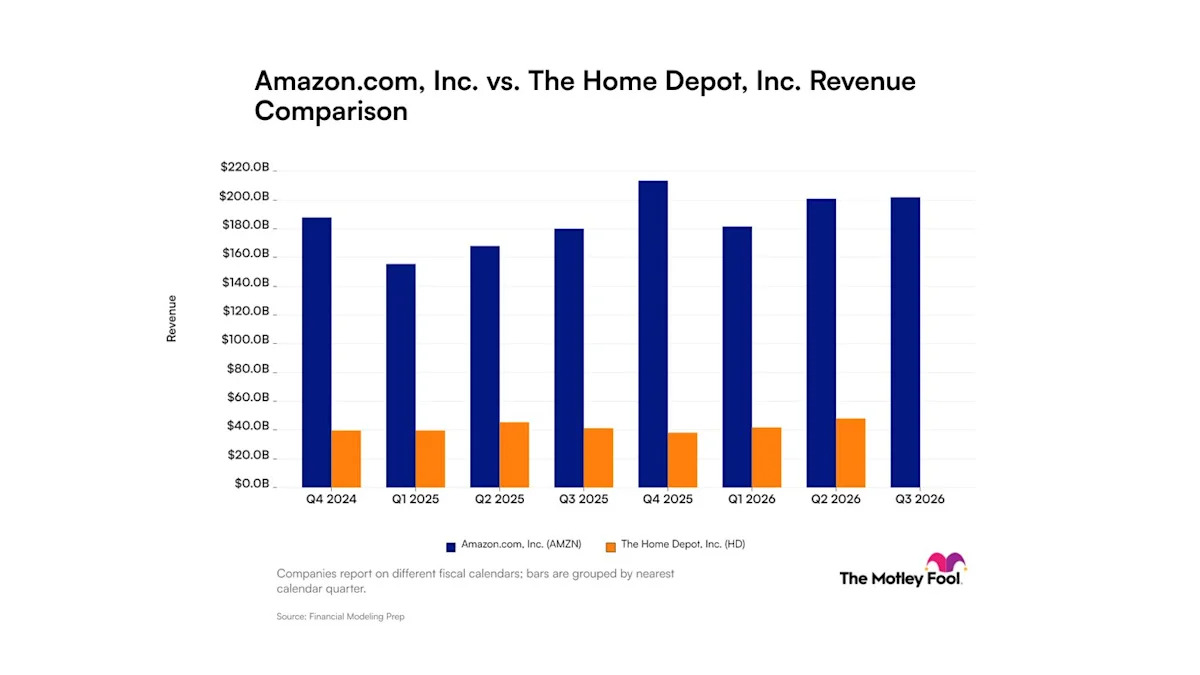
Amazon's Q3 2026 revenue rose 12% to $201.9 billion, with AWS up 39% to $46 billion; Home Depot's Q2 fiscal 20…
Qualcomm Technologies provided a $500,000 gift to UC San Diego's Halıcıoğlu School to launch the AI in Microel…

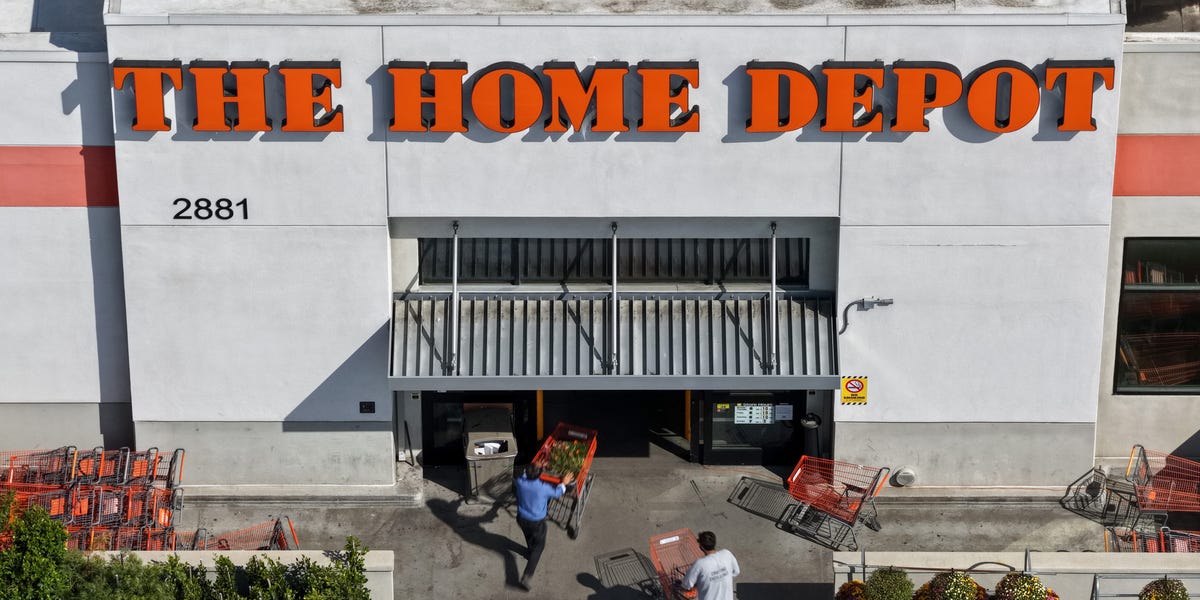
Home Depot CIO Angie Brown told Business Insider the retailer is in active conversations with Meta about how M…
Visa's survey, conducted by Morning Consult with more than 1,000 U.S