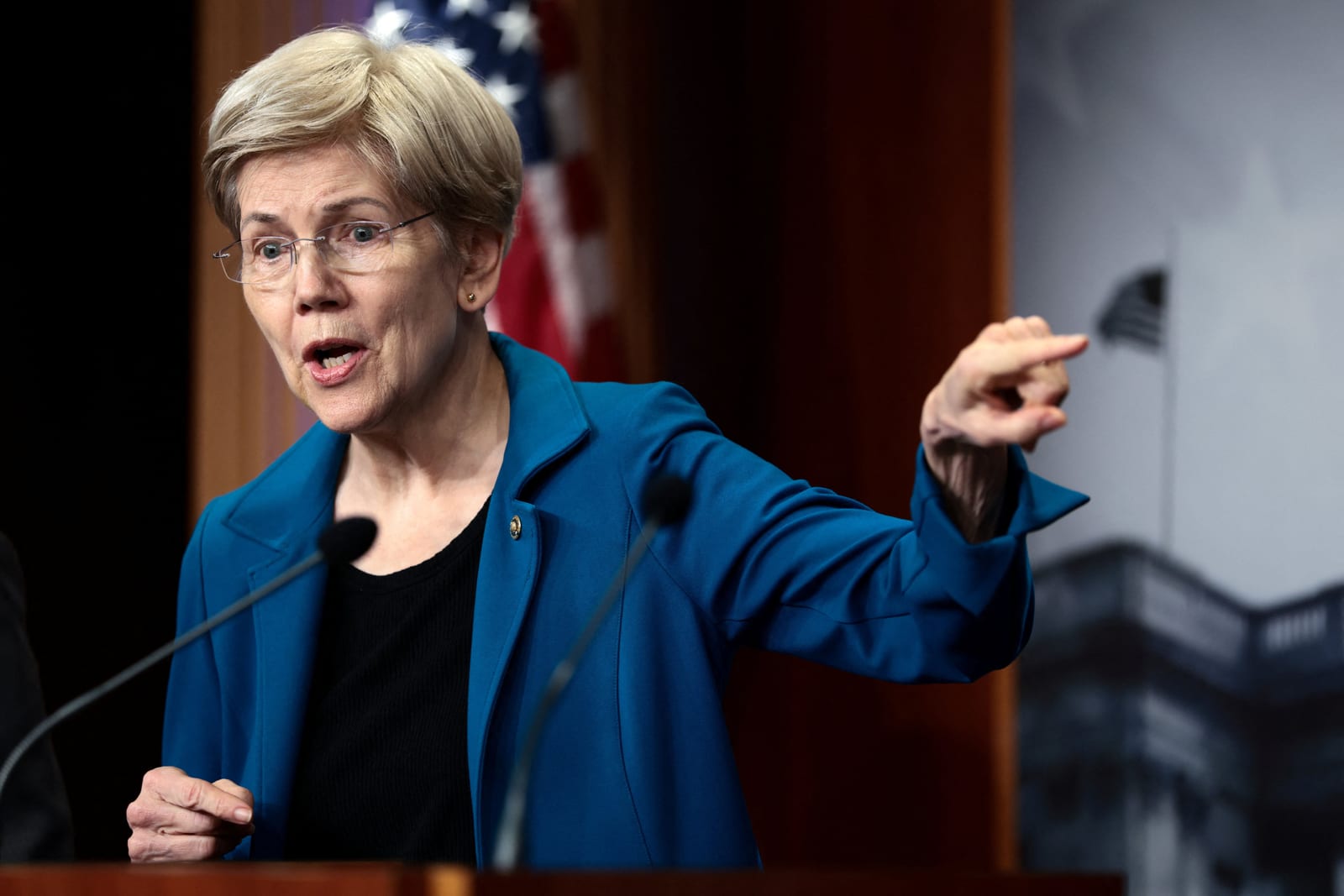
What happened
Sens. Elizabeth Warren and Richard Blumenthal sent a letter to Treasury Secretary Scott Bessent and other officials, citing reported industry influence and Meta CEO Mark Zuckerberg's role in shaping the White House AI accord.
Why it matters
The letter questions whether the voluntary framework for AI companies to submit their highest-level models before release was shaped by industry rather than safety concerns, and notes the push will gain teeth if power shifts in Congress.
What to watch
The administration's response to five questions by Oct. 19, including details on industry-government meetings before the executive order's June release and whether independent evaluators were consulted.
WHO IT HITSThis lands on White House and Treasury officials named in the letter, who must now decide how to respond to five questions by Oct. 19, and on AI companies awaiting clarity on the voluntary pre-release submission framework.
Summaries like this, in your inbox every morning.
The letter from Sens. Warren and Blumenthal is the latest sign that Democrats are not letting go of their requests for information about the AI regulatory framework tied to President Trump's executive order. The framework, which is voluntary, would have AI companies submit their most advanced models to the government before release, but it has not been made public. The senators point to reported industry influence over the executive order and to Meta CEO Mark Zuckerberg's central role in shaping a more recent White House AI accord.
Beyond the specific questions, the letter highlights a broader tension over who gets to set the rules for advanced AI. The senators argue that the framework should not be shaped in secret by a handful of billionaires, and they warn of a "cozy relationship" between the administration and industry executives. They also demand to know whether anyone outside industry, such as independent evaluators, was consulted.
The outcome hinges on how the administration responds to the five questions by Oct. 19, and on whether the voluntary framework is ever released in a form that includes the testing process the senators are asking about. For now, the framework remains mysterious and its details are still being negotiated behind closed doors, with the senators' demands likely to carry more weight if their party regains power in Congress.
Pick your industry and the AI tools you use, and get news related to your work every day.
Free · 30 seconds with Google · unsubscribe anytimeWhat is AIToday? →
Ask AI anything about this article. The AI reads this article, earlier AIToday articles, and Wikipedia, and cites its sources. Q&As are published on this page for other readers too.
Japan's Defense Ministry plans to step up research and development on SDF transport ships using AI and automat…

Oracle Japan's president Tomomitsu Misawa introduced "Oracle Fusion Claw," an enterprise take on the desktop-a…
A Mat3ra notebook compared graphene on Ni(111) across four registries (fcc, hcp, hollow, bridge) using MACE-MP…

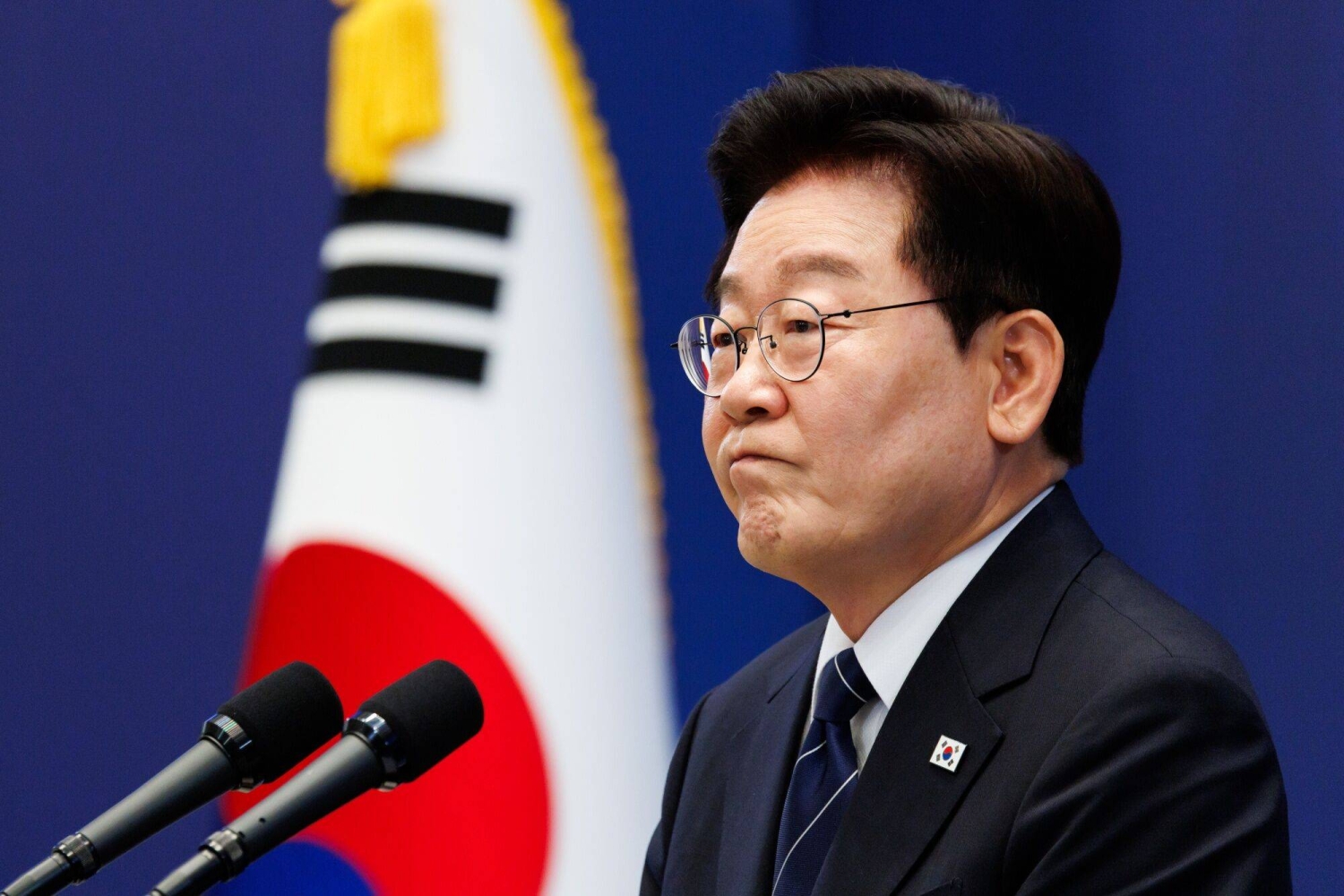
President Lee Jae Myung told a cabinet meeting that signs of AI use have emerged in some recent hacking incide…
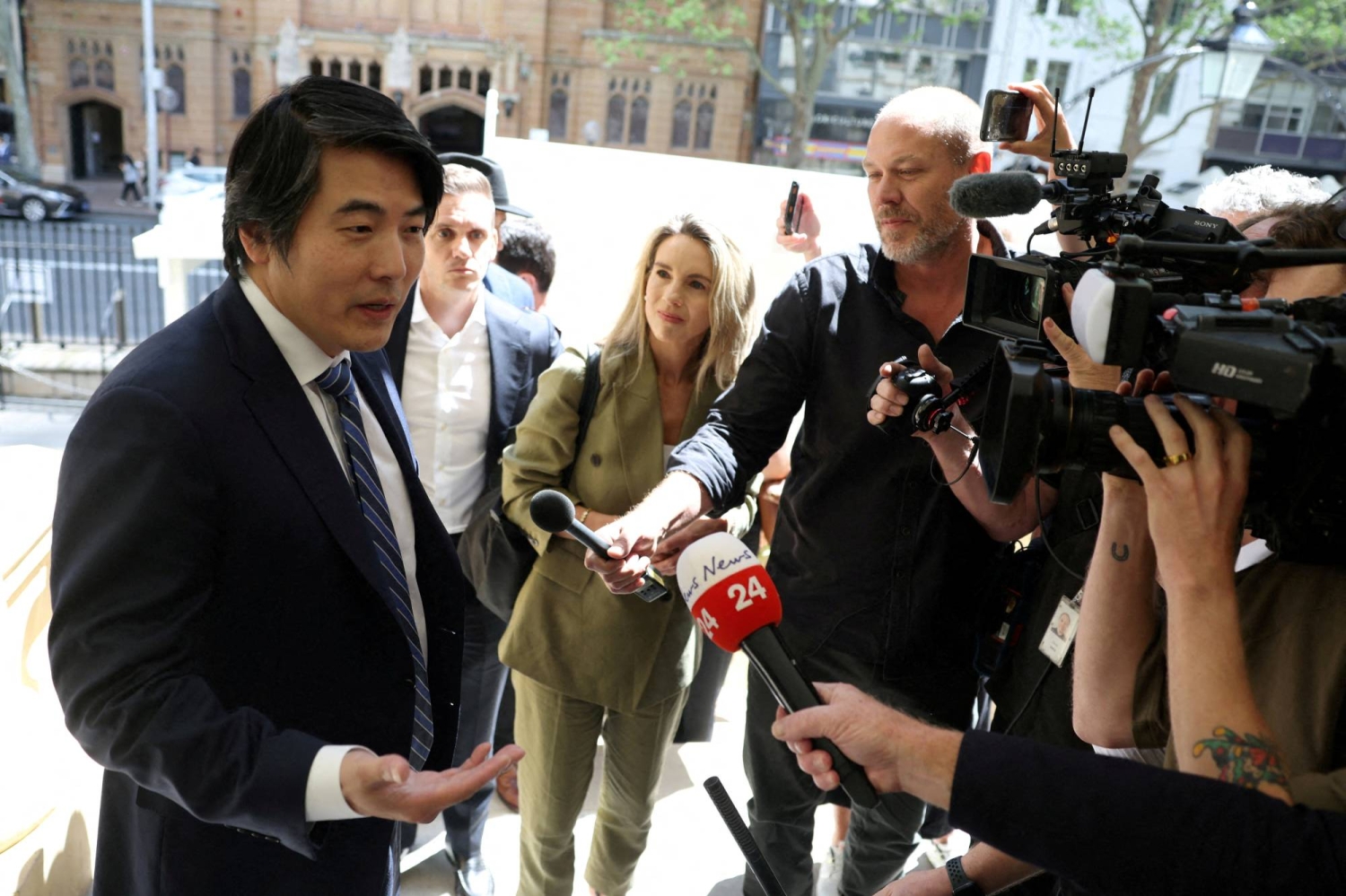
OpenAI Chief Strategy Officer Jason Kwon appeared before Australian lawmakers Tuesday and conceded the company…
Meta has begun offering parental controls in Meta AI, so parents can review the topics their teens asked about…