What happened
Anthropic fed a database of roughly 900 occupations and about 19,000 tasks into its Claude AI, which sorted them into four robot-capability tiers (E0 to E3) and judged 74% of physical labor doable in some setting, but only 0.3% cheaper by robot.
Why it matters
The gap between what robots technically can do and what pays off financially suggests automation of manual work is likely to be gated by cost, not capability, so near-term job displacement may be slower than the 74% figure implies.
What to watch
Robot prices have fallen about 3% a year since the 1990s, and at that pace robots would beat humans on cost for just 10% of all tasks in roughly 40 years, so the test is whether that decline accelerates.
WHO IT HITSWarehouse operators, logistics planners and staffing teams weighing robot purchases will find the near-term business case narrow: packing workers look replaceable on cost, while taxi drivers and dishwashers still pencil out cheaper as humans.
Summaries like this, in your inbox every morning.
Pick your industry and the AI tools you use, and get news related to your work every day.
Free · 30 seconds with Google · unsubscribe anytimeWhat is AIToday? →
Ask AI anything about this article. The AI reads this article, earlier AIToday articles, and Wikipedia, and cites its sources. Q&As are published on this page for other readers too.
Synopsys announced on September 30 a strategic agreement with Amazon, a multi-year deal valued at more than US…

Amazon signed a 20-year power purchase agreement with Constellation Energy Corp

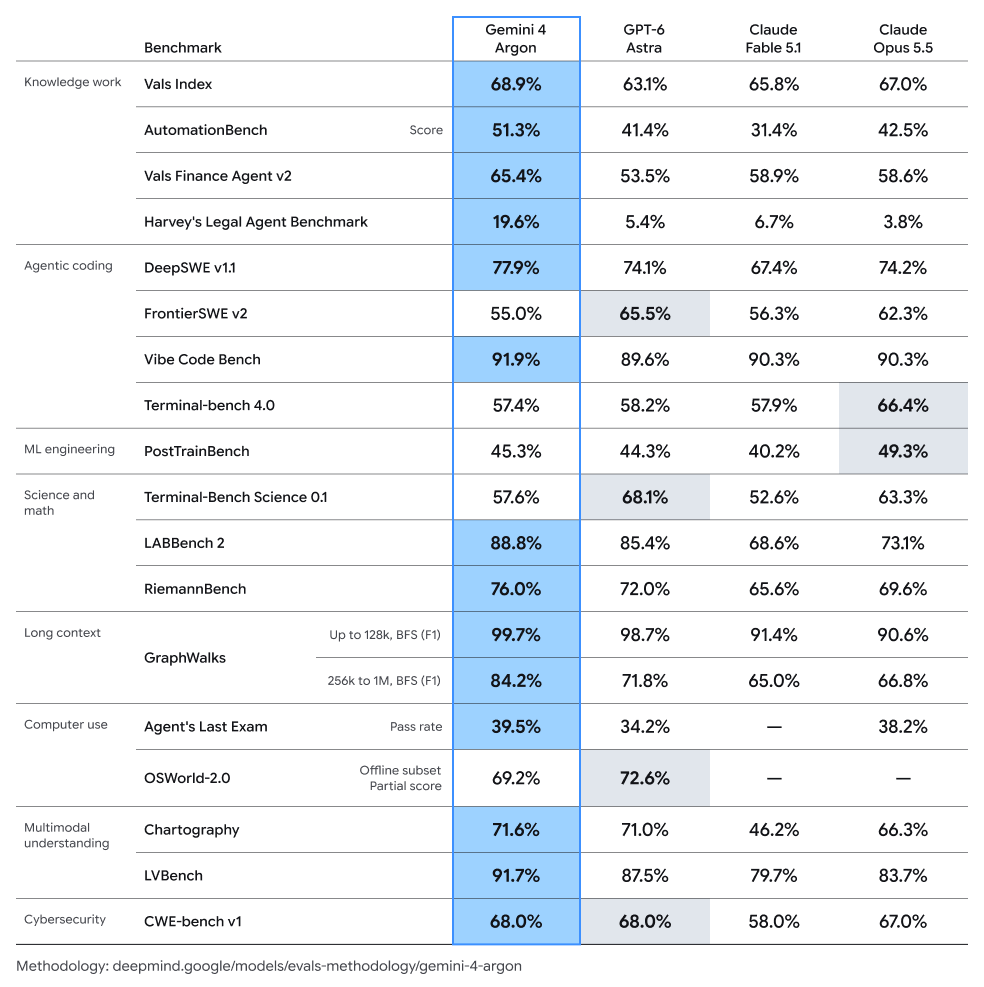
Google DeepMind launched Gemini 4 Argon for coding, enterprise knowledge work and cyber defense, claiming firs…
Bloomberg reports Amazon's delivery smart glasses shoot still images at intervals during walks, possibly thous…

The Information reports Google's "AI Contribution Pilot Program" pays about 100 digital publishers, including…

Metaview Labs Inc. closed $60 million in Series C funding led by Insight Partners, bringing total funding to $…