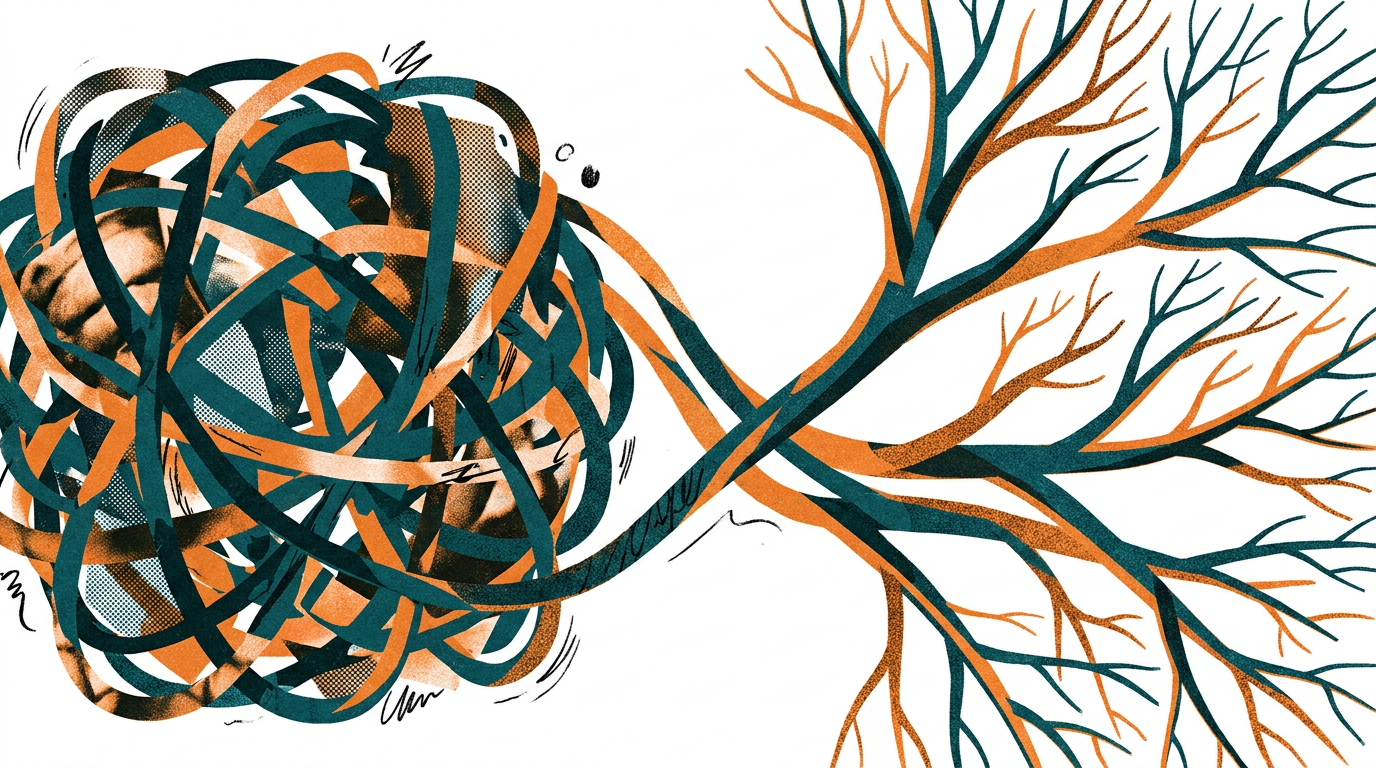
The article urges funding for weird AI safety projects.
It says current strategies assume business as usual.
It argues radical options have a longer tail of upsides.
What happened
An article argues that current AI safety funding strategies often assume 'business as usual' and calls for explicit substantial effort to fund more radical and abnormal projects and initiatives in AI safety.
Why it matters
Even under a model where most current AI safety work is useless, weird projects are worth funding because their higher variability gives them a longer and fatter tail of upsides, according to the article.
What to watch
The article suggests that even those without very short timelines or high p(doom) should agree that some timelines short enough or p(doom) high enough justify radical funding strategies.
Ask the AI about this article →
The article challenges conventional AI safety funding by arguing that it often assumes 'business as usual,' which may be inconsistent with the timelines and probabilities of doom many people hold. It suggests that even if one does not expect imminent catastrophe, there are conceivable scenarios where radical approaches would be justified. The core argument is that weird projects, despite being likely useless by default, offer a longer and fatter tail of upsides due to their higher variability. This means that reallocating some funding to them could be rational, not despite but because of the uncertainty. The piece calls for explicit, substantial effort to explore such strategies, pushing the Overton window in AI safety. It does not prescribe specific projects but rather argues for the need to consider them seriously.
For example, today's edition would include:
AI-summarized, only the topics you pick — one digest a day via Email, Slack, or Discord.
Free · takes 30 seconds · unsubscribe anytimeWhat is AIToday? →
Ask AI anything about this article. Q&As are published on this page for other readers too.
A UK study by UK AI Security Institute and Limbic AI surveyed 6,474 British adults

Broadcom's Clayton Donley says companies are doing mission-critical work with AI agents quickly, but without t…
Bank of England governor Andrew Bailey warned that advanced AI poses risks to financial infrastructure in a le…
As AI agents perform real business tasks, 'Agentic Identity' (giving each AI a unique employee-like ID) and 'D…

Andrew Bailey, head of the world's financial stability watchdog, warned in a letter to G20 finance ministers a…

Fortinet announced the acquisition of Virtue AI, a move aimed at expanding its AI security capabilities