What happened
Seagate posted Q4 revenue of $3.63B, up 48.5% YoY, and is shipping Mozaic 4 HAMR drives up to 44 terabytes to 75% of leading cloud customers. Western Digital reported $3.75B revenue, up 43.8% YoY, and will ship its 44TB Hammer drive in 1H 2027.
Why it matters
Seagate's gross margin expanded to 52.3% from 37.4% YoY and free cash flow hit a record $3.1B, while Western Digital's cost-per-terabyte fell only about 8% YoY as it stretches ePMR. The first-mover gap on HAMR is now reflected in margins.
What to watch
Seagate's ability to push 70% of nearline exabytes onto HAMR by fiscal 2027 without yield issues is the key test, while Western Digital's 44TB Hammer qualification with hyperscalers in early 2027 is critical. Also monitor LTA pricing negotiations extending to 2029–2031.
WHO IT HITSThis lands on data center storage buyers and hyperscale cloud customers choosing between Seagate's currently available HAMR drives and Western Digital's ePMR roadmap. It also matters for value-oriented investors screening Western Digital's P/E of 17 against Seagate's 23.
Ask the AI about this article →
Summaries like this, in your inbox every morning.
Seagate and Western Digital both closed fiscal 2026 with blockbuster quarters and nearly identical revenue guidance for fiscal Q1 2027, yet their technology paths have diverged sharply. Seagate is ramping HAMR-based Mozaic drives into hyperscale contracts today, with Mozaic 4 drives capable of up to 44 terabytes per drive already shipping for revenue to 75% of the leading global cloud customers by March. Western Digital, now a pure-play HDD company after the Sandisk separation, is stretching ePMR further before its own HAMR product ships in 2027.
The financials reflect this divergence. Seagate's gross margin expanded to 52.3% from 37.4% year over year, and free cash flow hit a record $3.1 billion for the year. Western Digital's exabyte shipments grew 22% year over year in Q4, but cost-per-terabyte fell only approximately 8% year over year. Seagate's HAMR economics appear to be pulling costs faster, though Western Digital trades at a lower forward P/E of 22 versus Seagate's 23.
The next test is HAMR qualification speed. Seagate's ability to push 70% of nearline exabytes onto HAMR by fiscal 2027 without yield issues is critical, while Western Digital's 44TB Hammer qualification with hyperscalers in early 2027 is key. Both names face risk if HAMR qualification slips or hyperscaler capex cools.
For example, today's edition would include:
AI-summarized, only the topics you pick — one digest a day via Email, Slack, or Discord.
Free · 30 seconds with Google · unsubscribe anytimeWhat is AIToday? →
Ask AI anything about this article. Q&As are published on this page for other readers too.
OpenAI reportedly agreed to buy smartphone camera software startup Glass Imaging for more than $300 million, p…

Aron Inc. launched with $8 million raised across two rounds
At the AI ROI in Contact Center Summit, analysts Bob Laliberte and Zeus Kerravala said contact center AI ROI w…

Pedro Andrade, Talkdesk's VP of AI and generative AI business specialist, told theCUBE that CXA is "an operati…

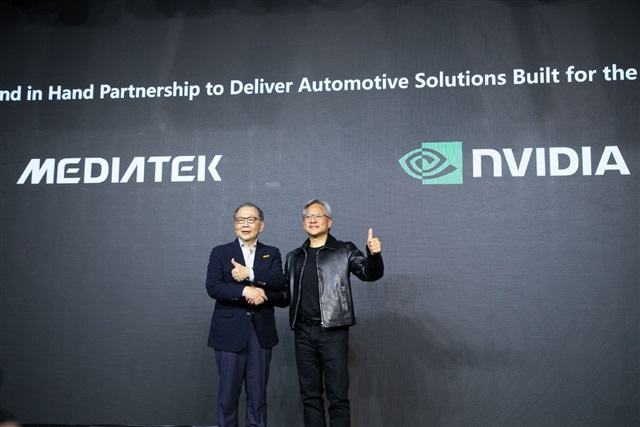
Nvidia invested US$3.5 billion in MediaTek convertible bonds, expanding cooperation into custom AI chips, AI P…
TechTouch surveyed 319 people overseeing generative AI at firms with over 1,000 employees