What happened
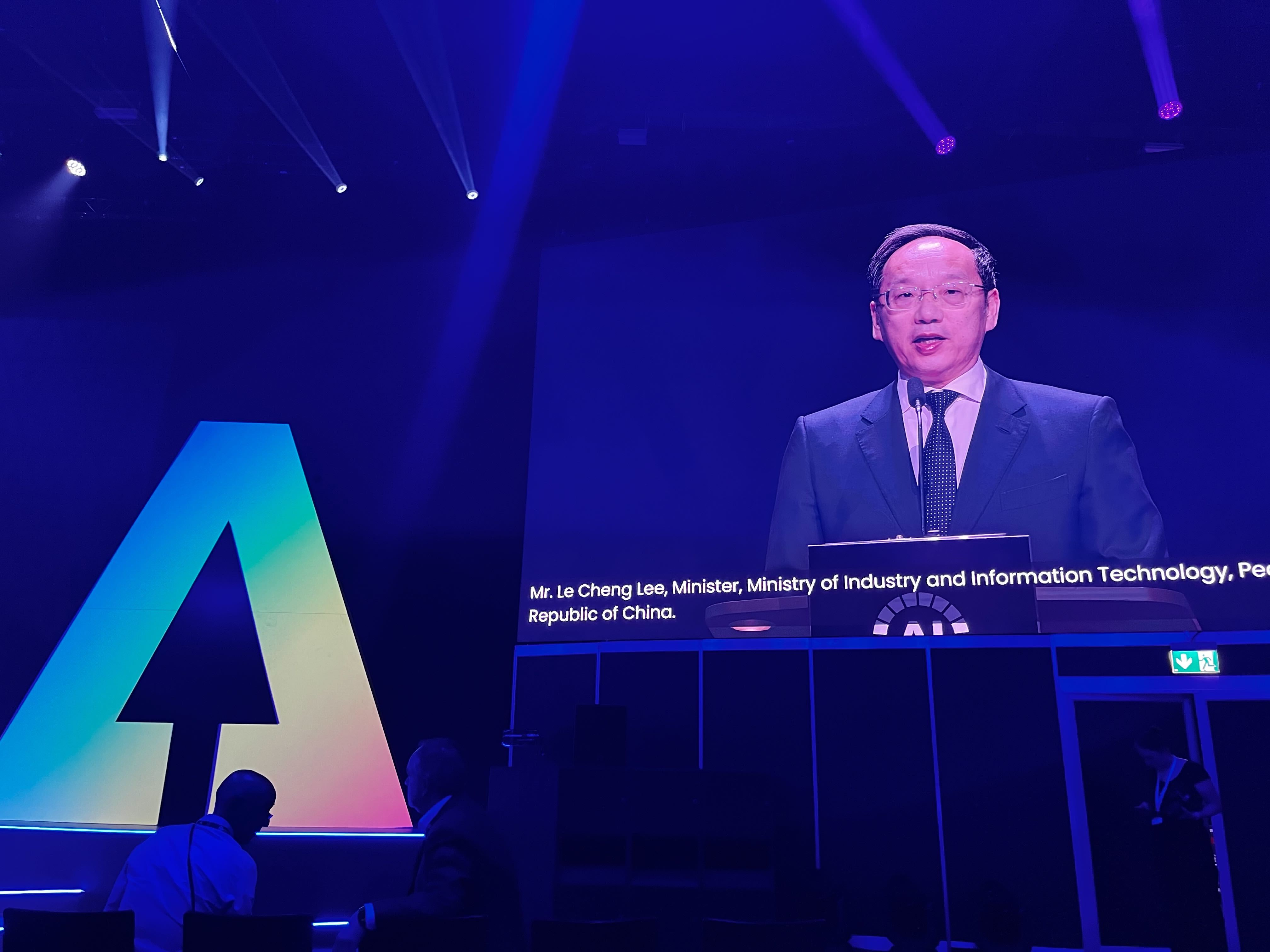
Chinese government officials used the UN's AI for Good summit in Geneva this week to promote open-source AI models as an alternative to advanced US models. Yu Xiaohui, president of a Chinese government think tank, stated that "open source is good for all countries and all groups and all people." Other speakers included top officials from Russia, Pakistan, Zambia, and the Maldives.
Why it matters
China is positioning itself as the developing world's AI partner of choice by contrasting open-source tools with what it describes as restrictive and expensive US models. The implicit argument is that open-source AI can serve as a development tool for lower-income countries, potentially shaping how AI is governed globally and which nations become trusted technology providers.
What to watch
The summit represents China's effort to leverage its geopolitical allies—particularly Global South nations where Beijing is making inroads—to advance a vision where AI benefits are not concentrated in a few wealthy nations. How widely this pitch is adopted by developing countries could influence which AI ecosystems gain traction outside Western markets.
Summaries like this, in your inbox every morning.
China's push at the Geneva summit reflects a broader geopolitical effort to position itself as a technology leader for the Global South. By framing open-source AI as more equitable and accessible than proprietary US alternatives, Beijing is attempting to build a coalition of developing nations around a competing vision of AI governance—one in which benefits are not concentrated in wealthy Western nations. The participation of Russian, Pakistani, and African officials signals that this is not purely a Chinese initiative but part of a coordinated diplomatic strategy among countries seeking to reduce dependence on US technology platforms.
The timing and venue matter: using the UN's official AI for Good summit lends legitimacy to the pitch and reaches policymakers from developing economies directly. By emphasizing affordability and open access rather than technical superiority, China is appealing to nations that lack the resources to build closed, proprietary systems, and may lack access to US-regulated advanced models. This approach could reshape which AI ecosystems gain adoption in regions outside Western control, with long-term implications for technology standards, data governance, and economic dependencies.
Pick your industry and the AI tools you use, and get news related to your work every day.
Free · 30 seconds with Google · unsubscribe anytimeWhat is AIToday? →
Ask AI anything about this article. The AI reads this article, earlier AIToday articles, and Wikipedia, and cites its sources. Q&As are published on this page for other readers too.
China's commerce and science ministries released a draft update adding 23 key AI technologies to its export co…
Vercel data published Thursday shows TypeSafe AI's Jev, a lightweight decision model for choosing among predet…

Reflection AI introduced Beam, an open-weight model for agentic coding and long-horizon tasks, with 501 billio…

Apple and Meta said they would jointly release a new open-weight AI model designed to run on high-end Macs, ai…

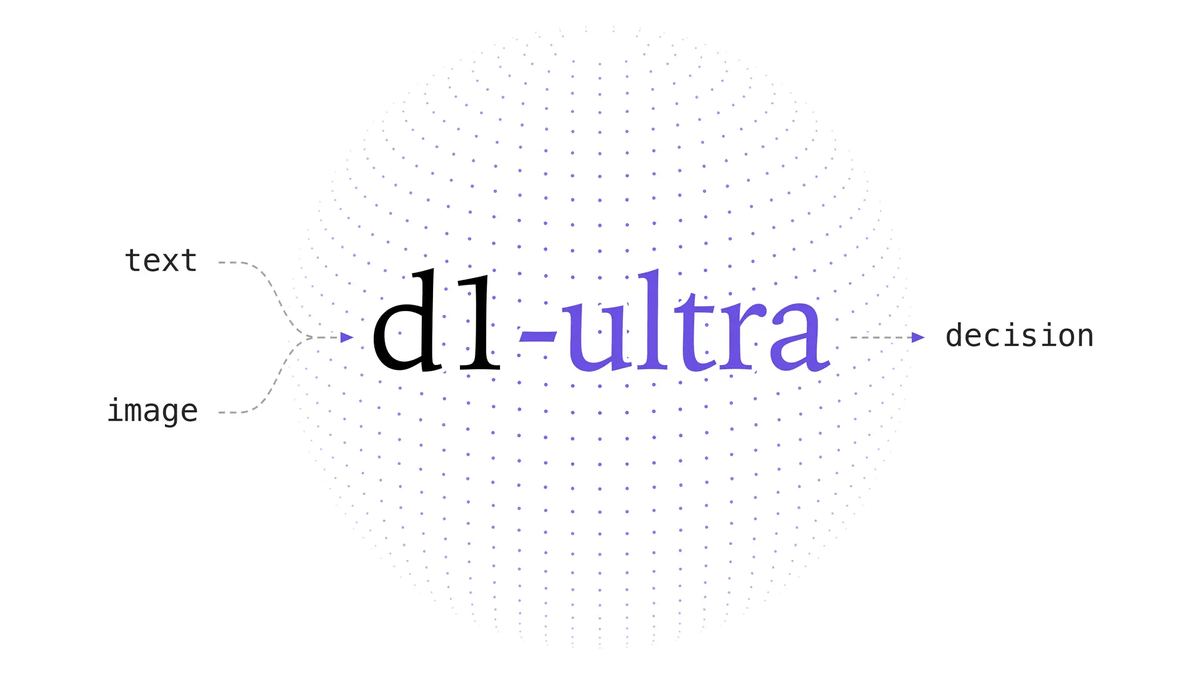
Liquid AI released d1-ultra on October 15, 2026, an upgraded open-weights decision model that averaged 76.7 ac…
NVIDIA released Nemotron 3.5 Super VL, an open-weight model with 120 billion parameters that handles text, ima…