What happened
IBM and Red Hat have launched Lightwell Network (generally available) and Lightwell Clearinghouse Premier (entering limited onboarding), two services backed by a $5 billion(約8000億円) AI-powered initiative and 20,000 engineers to find and fix vulnerabilities in open-source software at scale. The services deliver certified fixes and backports directly into enterprise systems without requiring major upgrades.
Why it matters
Open-source code now runs critical enterprise systems, but cheap AI-generated exploits have made traditional patching models obsolete. Lightwell automates vulnerability detection and remediation using generative AI combined with human expertise, addressing a gap where defenders must now move at AI speeds to counter AI-driven attackers.
What to watch
Lightwell Clearinghouse Premier will initially serve the financial services industry under a secured embargo model; if successful, it will expand into government, healthcare, and telecommunications. Lightwell's approach complements the Linux Foundation's Akrites initiative and Chainguard's Athena coalition, which together represent multiple competing strategies for securing open-source in the AI era.
Summaries like this, in your inbox every morning.
The security landscape for open-source software has fundamentally shifted in the AI era. IBM and Red Hat frame Lightwell as a response to the breakdown of traditional patch management, where attackers using AI can now discover and weaponize flaws faster than the organizations running the code can deploy defenses. By coupling generative AI models with 20,000 engineers, the companies aim to operate at the speed required to neutralize this asymmetry—automating the identification and validation of fixes while ensuring they reach production systems without disruption.
Lightwell operates within a broader ecosystem of emerging defenses. The Linux Foundation's Akrites focuses on standardizing how open-source maintainers and critical-infrastructure users handle AI-discovered vulnerabilities, establishing process and coordination frameworks. Chainguard's Athena takes a coalition approach, pooling findings from over two dozen organizations including banks and major infrastructure providers; Athena reports it has already processed 40,000+ findings and generated 2,000+ patches across 500+ open source projects. Microsoft's participation in both Akrites and Lightwell signals industry alignment on the need for speed, though the three initiatives occupy distinct roles: Akrites shapes upstream community processes, Athena pools cross-industry findings, and Lightwell delivers certified enterprise-ready patches under contract. The layering of these approaches suggests the industry recognizes that no single model fully addresses the challenge of defending open-source code against frontier-model-era threats.
Pick your industry and the AI tools you use, and get news related to your work every day.
Free · 30 seconds with Google · unsubscribe anytimeWhat is AIToday? →
Ask AI anything about this article. The AI reads this article, earlier AIToday articles, and Wikipedia, and cites its sources. Q&As are published on this page for other readers too.
Liquid AI released d1-ultra on October 15, 2026, an upgraded open-weights decision model that averaged 76.7 ac…
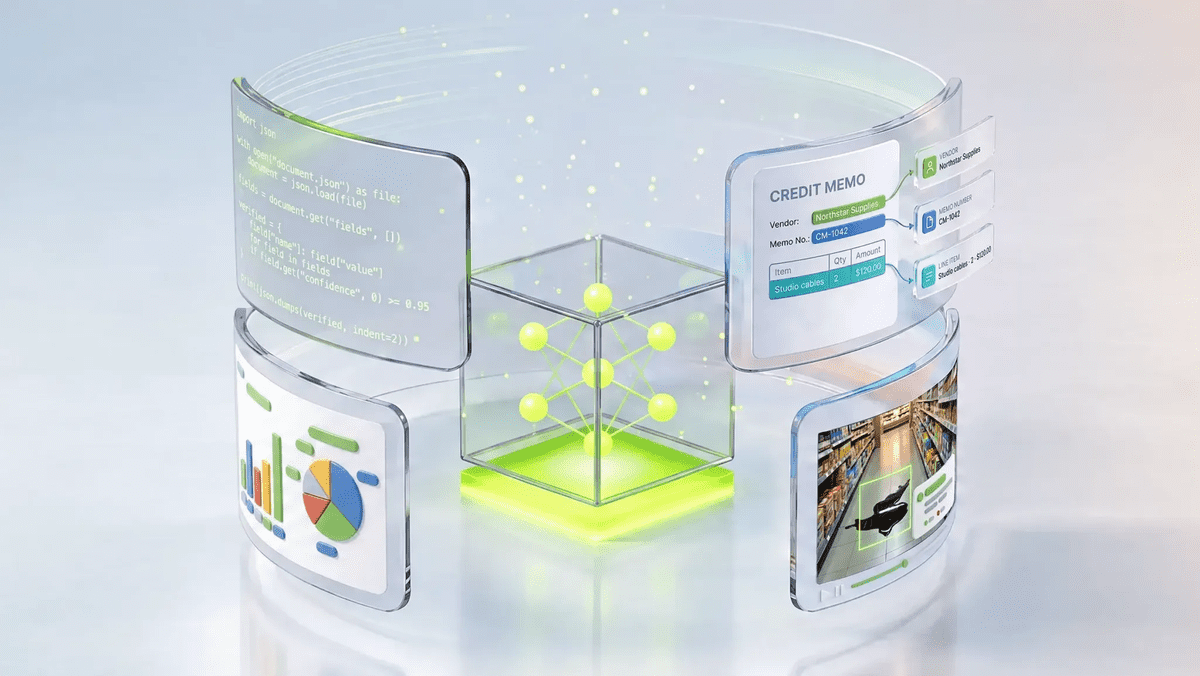
NVIDIA released Nemotron 3.5 Super VL, an open-weight model with 120 billion parameters that handles text, ima…
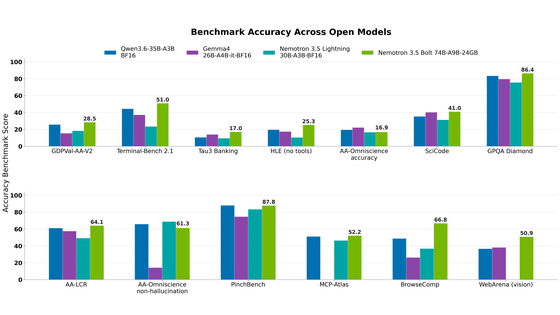
NVIDIA released Nemotron 3.5 Bolt 74B-A9B 24GB, an AI model for local agents that hits over 80 tokens per seco…
Black Forest Labs released FLUX 3 Image Klein as open weights on October 15, 2026 — a 5.6B-parameter model for…

PrismML released Ternary Bonsai 2 2B, 4B and 9B on October 15, 2026, remade from Qwen3.5 to process in three v…
HarnessRouter, an open-source server for UHP (Unified Harness Protocol), routes a task and harness_id from a p…