What happened
The developer built Woodlot, a free app that gives each new Claude Code session its own worktree and branch, pairs sessions as cards in two columns, and shows status by color and motion.
Why it matters
Running many terminal sessions at once made it hard to tell which was which or waiting for a reply, and working in one repo risked two sessions rewriting the same files at once.
WHO IT HITSDevelopers who run several Claude Code sessions locally — especially those using Bedrock or API keys, who cannot use web-based cloud execution — get a way to keep parallel work separated and see which session needs their reply.
Summaries like this, in your inbox every morning.
The starting complaint is a practical one: Claude Code in a terminal is hard to read and hard to type into, and one session is tolerable while several are not. Because Claude Code works on its own for minutes to tens of minutes after an instruction, the natural move is to start another session, and that is where the trouble begins.
The developer describes two problems. The first is that sessions blur together — you cannot recall what a session was for or whether it is waiting on you, so you end up asking the AI what is going on. Terminal tabs add their own failures: a session stopped on a multiple-choice question sits unnoticed, every tab is named claude, and two sessions in the same repository start rewriting the same files. The second is understanding debt: handing implementation through to a pull request takes your hands off, but leaves you unable to follow what was built, which becomes acute when the AI asks you to make a judgment call.
Woodlot's answer is to combine git worktree management, a view of all sessions, and reading material for catching up in one app. The catch-up feature condenses what happened in your absence into a single page covering the problem, the options weighed, the choice made, and the implementation, so you can return to the decision. Other features were added one at a time through daily use: handover that spins up a fresh worktree from a new one-line instruction, read-only sub-sessions branched off the current conversation, a four-stage track for changes (local, committed, unpushed, PR), CI watching via GitHub, a loop that picks up assigned issues and runs them to merge, a display of context weight and the 5-hour and weekly usage limits, and per-repository settings for the AI account, GitHub account, browser profile, and a setup command run right after a worktree is created.
Pick your industry and the AI tools you use, and get news related to your work every day.
Free · 30 seconds with Google · unsubscribe anytimeWhat is AIToday? →
Ask AI anything about this article. The AI reads this article, earlier AIToday articles, and Wikipedia, and cites its sources. Q&As are published on this page for other readers too.
Circlia started a proof-of-concept for TASTE SIGNAL: visitors to Holland Village Cafe FUKUOKA taste cookies an…

In a webinar hosted by French Mathematical Society president Isabelle Gallagher, Fields Medal winner Hugo Dumi…

NVIDIA released Nemotron 3.5 Super VL, an open-weight model with 120 billion parameters that handles text, ima…

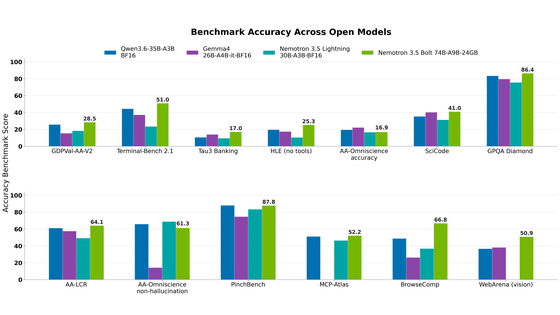
NVIDIA released Nemotron 3.5 Bolt 74B-A9B 24GB, an AI model for local agents that hits over 80 tokens per seco…
NVIDIA published a blog post titled "AI Security Is an Engineering Problem - How to Solve It at Every Layer of…

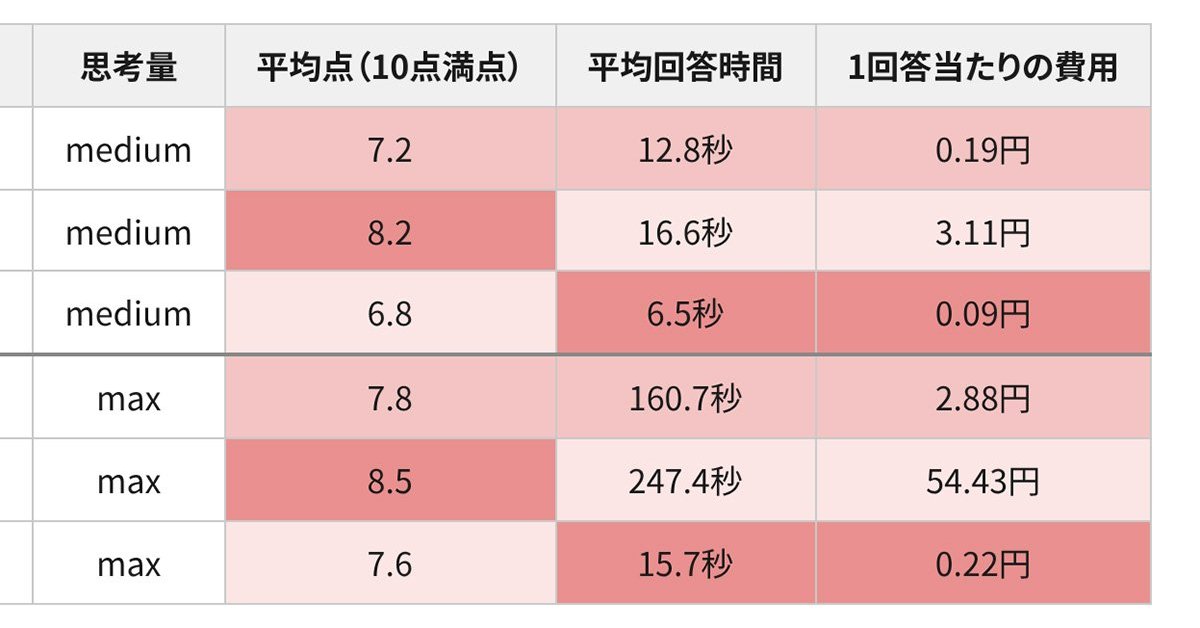
In the test, Haiku 5.5 on medium setting averaged scores close to Sonnet 5.5 on routine documents at about 1/1…