What happened
A GitHub resource called unawesome-ai-fabric-engineering released a reference list covering RDMA, GPUDirect, NCCL collectives, congestion control, and AI cluster fabric design, aimed at GPU performance engineers.
Why it matters
It suggests the network — not the chip — is becoming the harder problem to staff in AI clusters, so GPU specialists may need networking fluency to stay effective.
What to watch
The list is a curated reference, not a benchmark, so its value hinges on whether operators find the cited papers and specs match their real switches and NICs. It was verified on 2026-10-05.
WHO IT HITSGPU performance engineers and infrastructure teams staffing AI training clusters are the direct audience, since the list assumes existing knowledge of GPU kernels, profiling, and distributed inference, and points them to RDMA, collectives, and fabric material.
Summaries like this, in your inbox every morning.
The list is framed around a specific career transition: engineers who already understand GPU kernels, profiling, and inference engines, but now need the networking layer that moves data between GPUs. That framing is why the reading order runs from a single NIC to a single GPU-NIC path, then collectives, point-to-point inference transfer, transports, and only then whole fabric design. The earlier steps are treated as prerequisites rather than optional background.
A separate Frontier section is kept apart from the core list because, in the author's words, the evidence changes quickly. Its watchlist includes Ultra Ethernet NICs and switches in production, adaptive routing and packet spraying on Ethernet AI fabrics, co-packaged optics switches in deployed GPU clusters, and UALink and Ethernet-based scale-up silicon, all pending shipped systems or measured deployments. That separation is a deliberate editorial choice about how stable the underlying facts are.
The list's hardware and source policies set a high bar for inclusion. Every resource must assume real NICs, switches, and GPUs, and performance claims need the NIC, switch, topology, message sizes, software versions, and baseline, or the number is omitted. Whether the collection actually helps its target reader may hinge on how closely those curated sources match the specific switches, NICs, and fabrics that reader's employer runs.
Pick your industry and the AI tools you use, and get news related to your work every day.
Free · 30 seconds with Google · unsubscribe anytimeWhat is AIToday? →
Ask AI anything about this article. The AI reads this article, earlier AIToday articles, and Wikipedia, and cites its sources. Q&As are published on this page for other readers too.
Anthropic released Claude Haiku 5.5, a small model for repetitive work, with list prices of 10 cents per milli…

TIMEWELL said on October 1, 2026 it was chosen as a Shinshu AI GEARS subsidy recipient, working with Orion Kik…

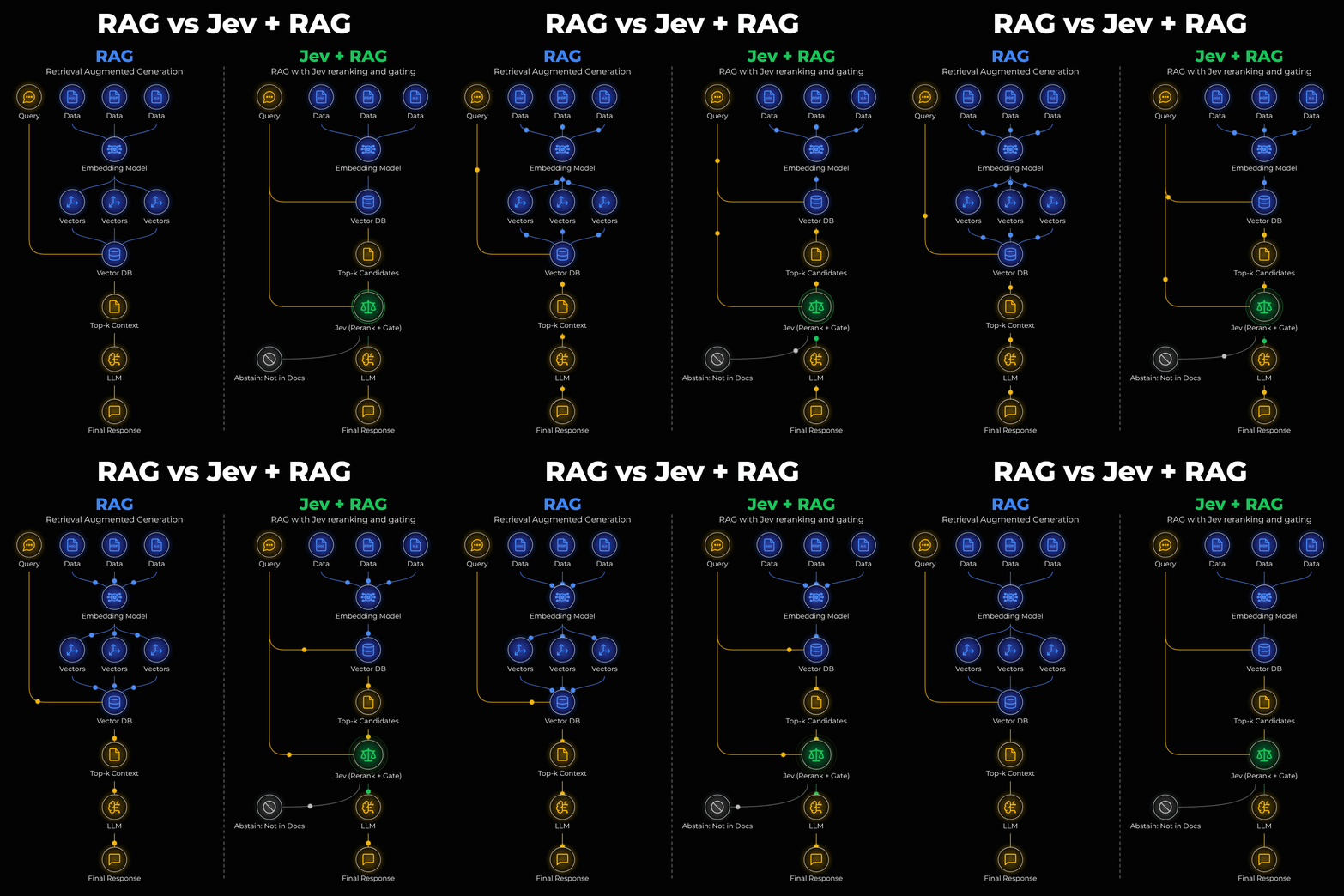
Jev + RAG keeps retrieval as is, but replaces a conventional reranker with a typed decision—"Does this passage…
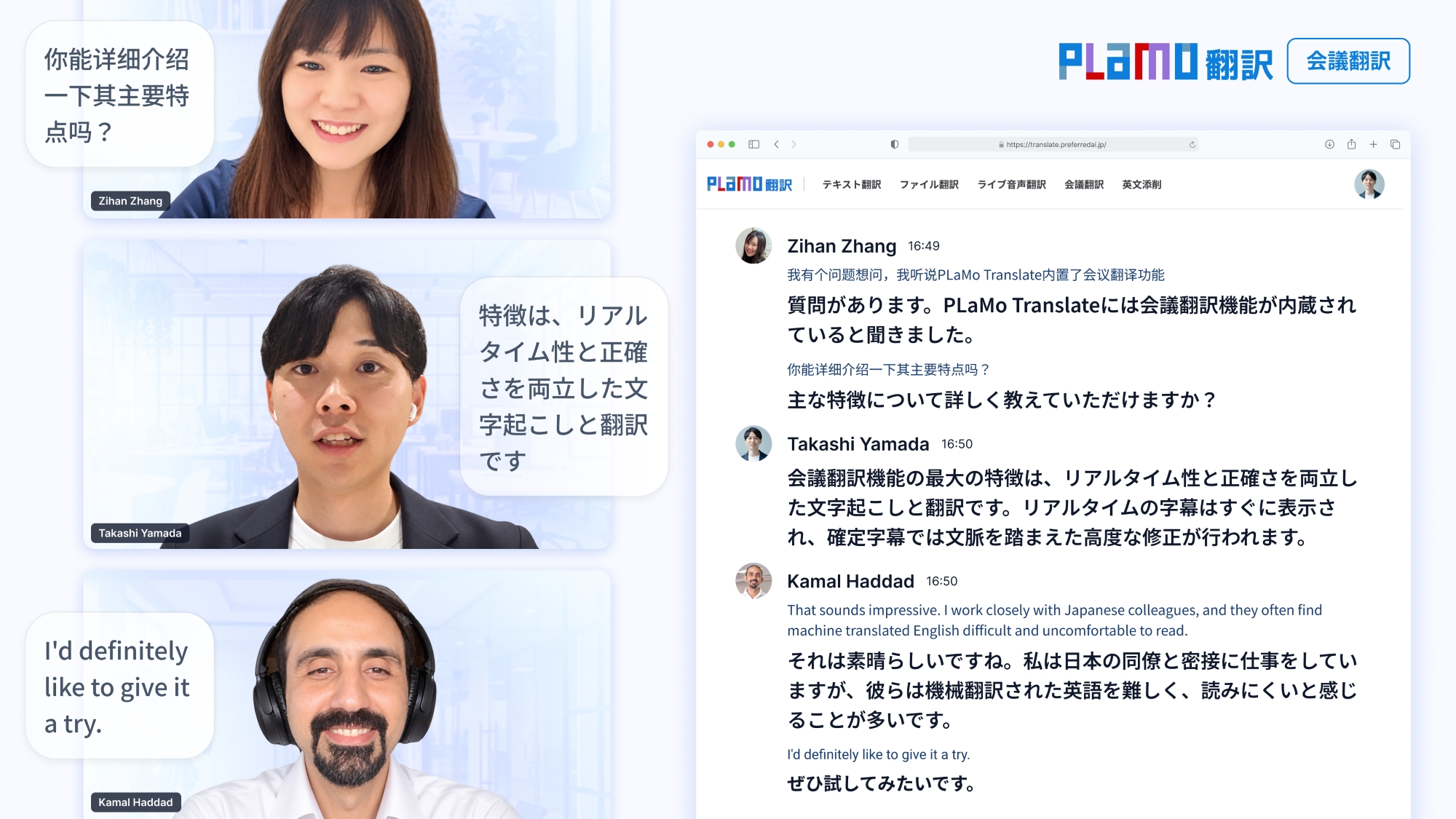
Preferred Networks began offering a major update to its Japan-focused AI translation service PLaMo翻訳, claiming…
Analysts estimate China's best models are now just four months behind OpenAI and Anthropic, versus seven month…

At Sequoia AI Ascent, DeepMind CEO Demis Hassabis said AGI arrives in 2030 and described a two-step mission: b…


