
What happened
Claude generated 318,484 protein binder designs targeting five toxins from four scorpion species, working on its own for 24 hours after an initial prompt. Of 211 designs tested in the lab, 17 met the criteria for a binder.
Why it matters
The lab results suggest that AI can independently produce viable protein binder candidates, a step toward faster early-stage drug discovery, though whether they work as an antivenom has not been tested.
WHO IT HITSDrug-discovery researchers and biotech teams gain a proof point that an AI environment like Claude Science can autonomously generate lab-testable protein designs, potentially shortening early candidate screening.
Summaries like this, in your inbox every morning.
The scorpion work follows an earlier study in which Claude designed mini-binders against 14 of 15 target proteins, achieving hit rates of 22 to 35 percent compared to the typical 10 to 15 percent. That prior result provides context for the current effort: the same AI environment, Claude Science, produced a large batch of designs and a smaller set of lab-validated binders. The research team steered the work with additional instructions after an initial 24-hour autonomous run, suggesting a human-in-the-loop process rather than full automation. External experts Susana Vázquez Torres and Timothy P. Jenkins described the work as a promising first step, and two independent labs confirmed the results, which may lend credibility to the findings. However, whether the binders actually function as an antivenom has not been tested, leaving the practical medical payoff uncertain.
Pick your industry and the AI tools you use, and get news related to your work every day.
Free · 30 seconds with Google · unsubscribe anytimeWhat is AIToday? →
Ask AI anything about this article. The AI reads this article, earlier AIToday articles, and Wikipedia, and cites its sources. Q&As are published on this page for other readers too.
Google Cloud on Oct. 20 released a preview of Gemini for government services, co-developed with Missouri's sta…

NVIDIA announced the OpenShell Reference Architecture, combining Vera Rubin for model inference, Vera CPUs for…

Meta's Muse, launched last month, became the first popular AI agent for mainstream users and just cracked a do…
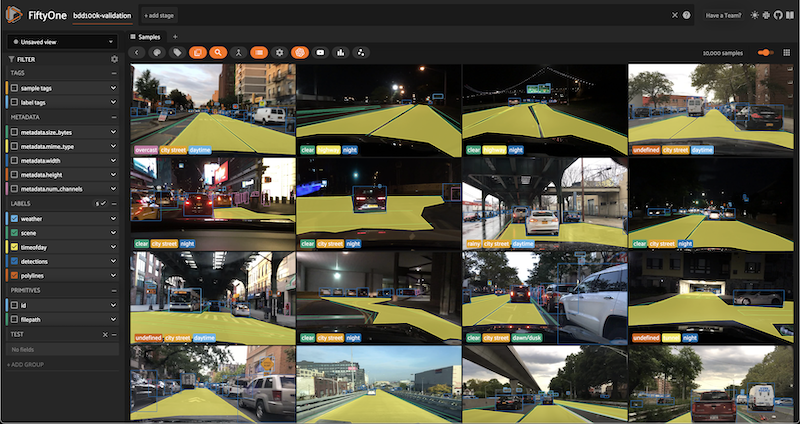
Voxel51 released version 3.0 of its robotics data platform, including Voxel51 Agent, which performs tasks like…
OpenAI acquired Orchestra Bio, a startup that helps pharma teams coordinate drug development, and will fold it…

Ricoh Japan will begin offering a monthly rental plan for rack-type GPU servers under its RICOH On-Prem LLM St…