
What happened
NVIDIA announced the OpenShell Reference Architecture, combining Vera Rubin for model inference, Vera CPUs for agent harnesses and BlueField-4 DPUs running Sentry for in-silicon enforcement, at GTC Berlin on Oct. 21, 2026.
Why it matters
The architecture gives enterprises a full-stack way to build, contain, observe and enforce safe agents at industrial scale, with governance and isolation built into the computing layer.
WHO IT HITSEnterprise IT teams designing agent deployments will need to evaluate how the architecture's separation of inference, agent harness and security enforcement maps onto their existing infrastructure, while edge deployments in retail, healthcare, manufacturing and telecommunications may require the RTX Spark, DGX Spark or DGX Station systems.
Summaries like this, in your inbox every morning.
NVIDIA's announcement builds on its OpenShell secure runtime software, extending it from a software foundation into a full-stack reference architecture for agent development and operations. The design reflects a division of labor: agents think on Vera Rubin infrastructure, act through Vera CPUs running agent harnesses, and are governed on BlueField DPUs via the Sentry framework, which provides continuous out-of-band monitoring and in-silicon policy enforcement. This separation is meant to give enterprises a way to contain and observe agent behavior while still allowing useful work within defined boundaries.
The architecture also reaches beyond the data center to edge systems, covering industries such as retail, healthcare, manufacturing, robotics, software development and telecommunications. NVIDIA CEO Jensen Huang framed the effort as a response to enterprises preparing to deploy billions of AI agents, arguing that safety and control must be built into the computing architecture itself rather than added on top. The list of companies working with the architecture spans cloud providers, security vendors, enterprise software makers and AI labs, suggesting NVIDIA is positioning OpenShell as a common layer for agent governance across heterogeneous enterprise environments.
Pick your industry and the AI tools you use, and get news related to your work every day.
Free · 30 seconds with Google · unsubscribe anytimeWhat is AIToday? →
Ask AI anything about this article. The AI reads this article, earlier AIToday articles, and Wikipedia, and cites its sources. Q&As are published on this page for other readers too.
Google Cloud on Oct. 20 released a preview of Gemini for government services, co-developed with Missouri's sta…
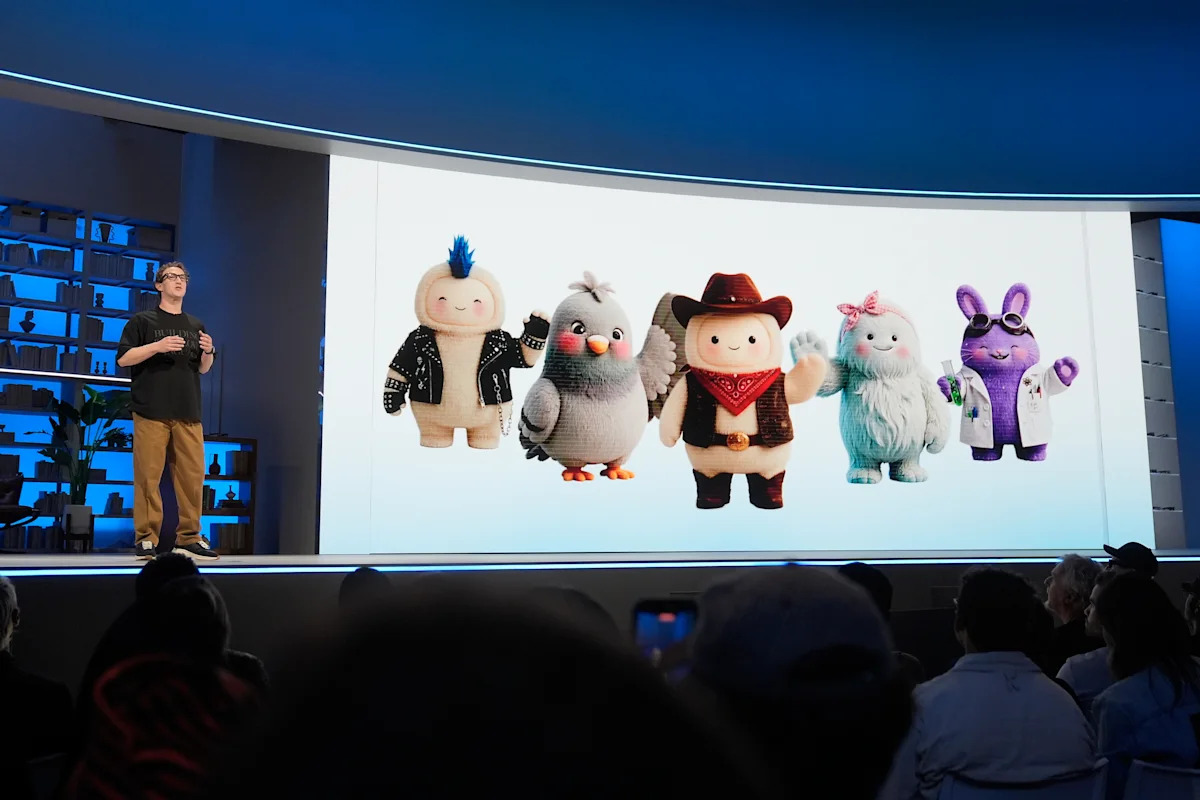
Meta's Muse, launched last month, became the first popular AI agent for mainstream users and just cracked a do…
Design It For Us released a 2027 AI policy platform shaped by 700+ members across 40 states, calling for Congr…

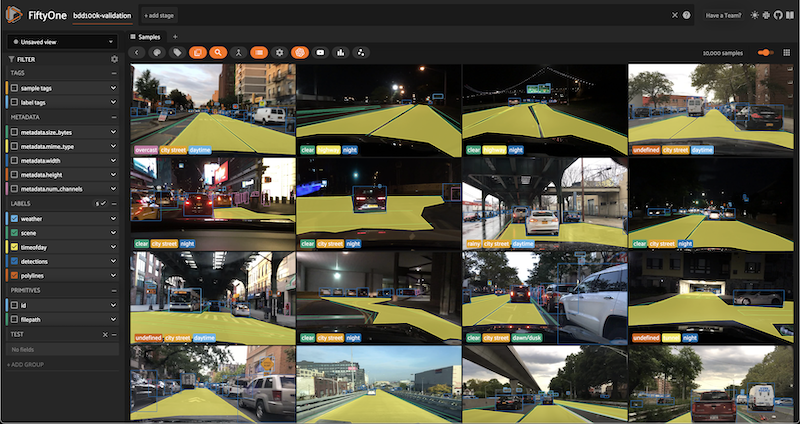
Voxel51 released version 3.0 of its robotics data platform, including Voxel51 Agent, which performs tasks like…
Claude generated 318,484 protein binder designs targeting five toxins from four scorpion species, working on i…

OpenAI acquired Orchestra Bio, a startup that helps pharma teams coordinate drug development, and will fold it…