What happened
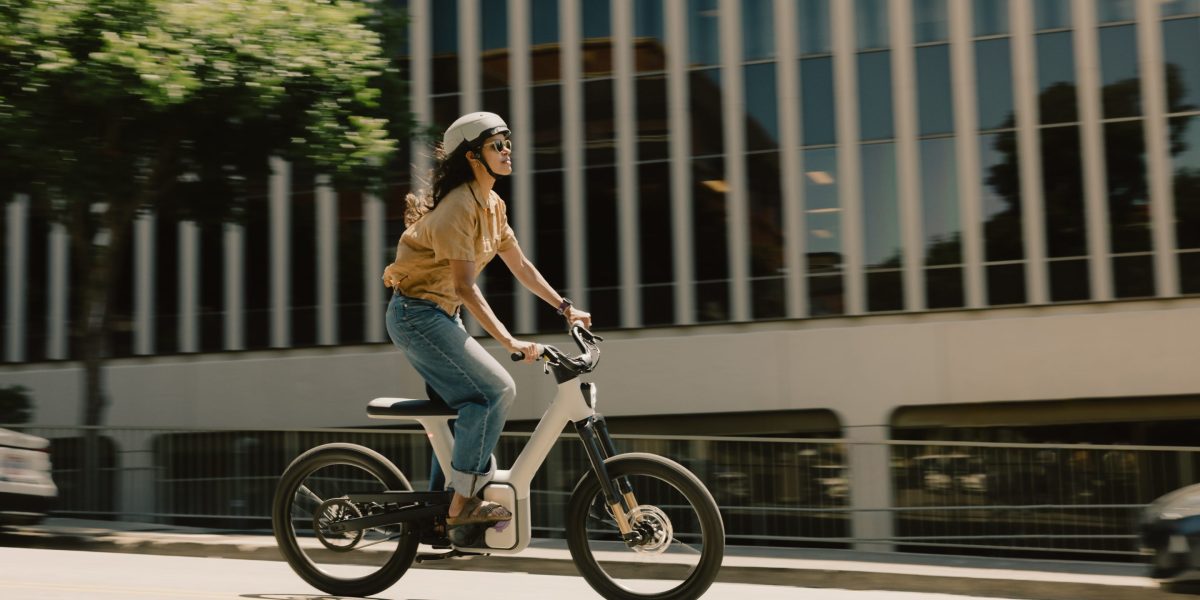
Palo Alto startup Also raised $150 million in Series D funding led by Prysm Capital, pushing its valuation past $1 billion. The two-year-old company, which spun out of Rivian in early 2025, builds a small-vehicle technology platform with in-house motors, batteries, compute, and software designed for autonomous delivery and passenger vehicles smaller than a car.
Why it matters
The capital is earmarked to accelerate Also's autonomous vehicle platform for moving both goods and passengers. Founder Chris Yu argues that dense cities need purpose-built small EVs rather than repurposing 7,000-pound vans for single-passenger or small-package trips, citing economics, environmental impact, and congestion. Rivian's growing fleet of on-road vehicles will supply driving data to train Also's autonomy systems.
What to watch
Also's existing partnerships with Amazon and a multi-year commercial agreement with DoorDash point toward robots built on the same motors and compute as its consumer e-bike (the TM-B, priced at $3,500) and commercial delivery quad (the TM-Q). Yu's goal is that small-form-factor autonomy becomes a standard part of the transportation mix within five years.
Summaries like this, in your inbox every morning.
Also's path to a $1 billion valuation in two years reflects a deliberate strategy to use micromobility as a beachhead for autonomous vehicles. The company emerged from Rivian in early 2025 with $105 million in funding at spinout, followed by a $200 million Series C earlier this year led by Greenoaks, and now this $150 million Series D—a rapid accumulation of capital tied directly to scaling autonomous platforms. Founder Chris Yu's background as a former Specialized bike product chief with aerospace experience, combined with Rivian founder RJ Scaringe's involvement, suggests the business model was engineered for this trajectory from the outset.
The e-bike skepticism in the broader market is real: Rad Power Bikes went bankrupt, Juiced Bikes collapsed, and Porsche exited the category. Yet Also is insulating itself by pivoting hard toward commercial robotics. Its partnerships with Amazon and a multi-year agreement with DoorDash are not marketing exercises but the foundation of a revenue base that transcends consumer e-bike volatility. The global micromobility market—valued around $50 billion and projected to more than double by the early 2030s—provides the context, but Also's real opportunity lies in the autonomy angle that those partnerships unlock.
Rivian's role as a non-controlling shareholder and data source is equally strategic. Its on-road fleet generates the real-world driving data Also needs to train autonomous systems for urban environments. Yu's argument that dense cities benefit from purpose-built small EVs rather than full-size vehicles repurposed for small loads has both environmental and economic logic; the question is whether Also's hardware, software, and commercial relationships can execute at scale.
Pick your industry and the AI tools you use, and get news related to your work every day.
Free · 30 seconds with Google · unsubscribe anytimeWhat is AIToday? →
Ask AI anything about this article. The AI reads this article, earlier AIToday articles, and Wikipedia, and cites its sources. Q&As are published on this page for other readers too.
JR Central announced the S0系 on October 16, its first full model change since the N700S, with commercial servi…
The Air Force upgraded the X-62 VISTA with advanced radar, expanded sensors and computing, and modern network…
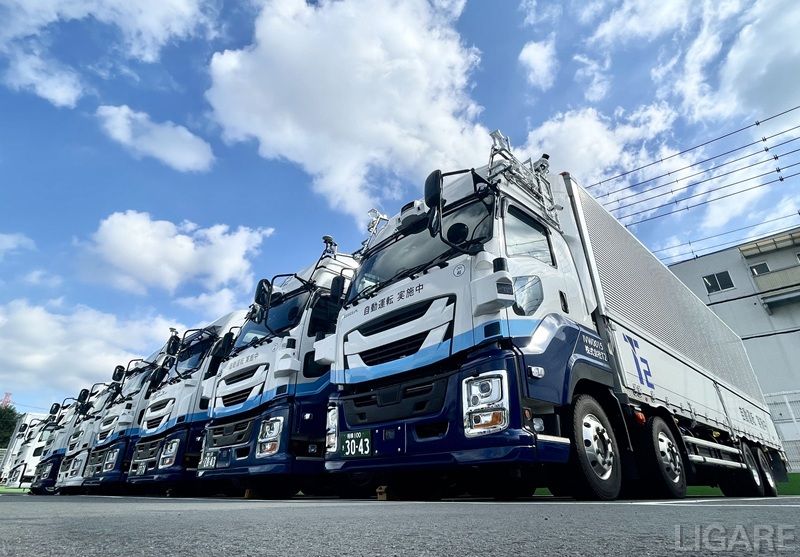
T2 said it will join ENEOS and others in the Agency for Natural Resources and Energy's demonstration project f…
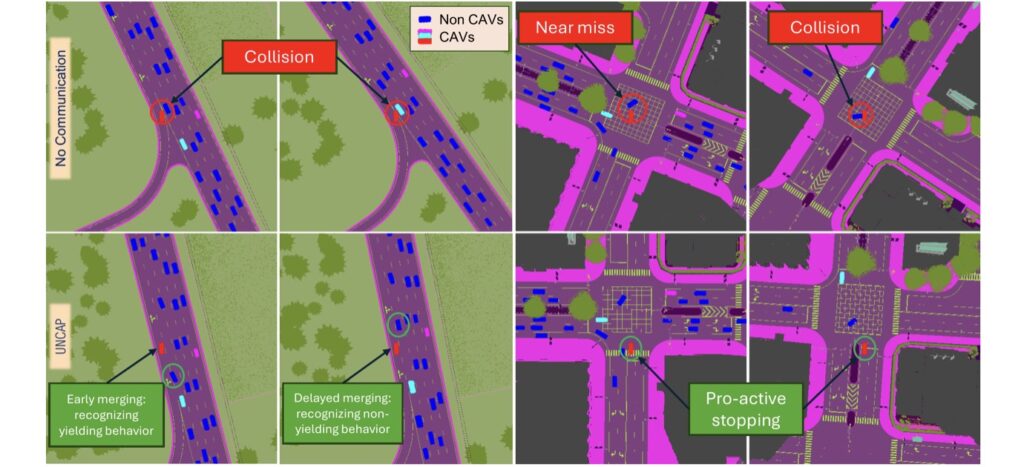
Researchers present neurosymbolic planning using natural language communication for cooperative autonomous veh…
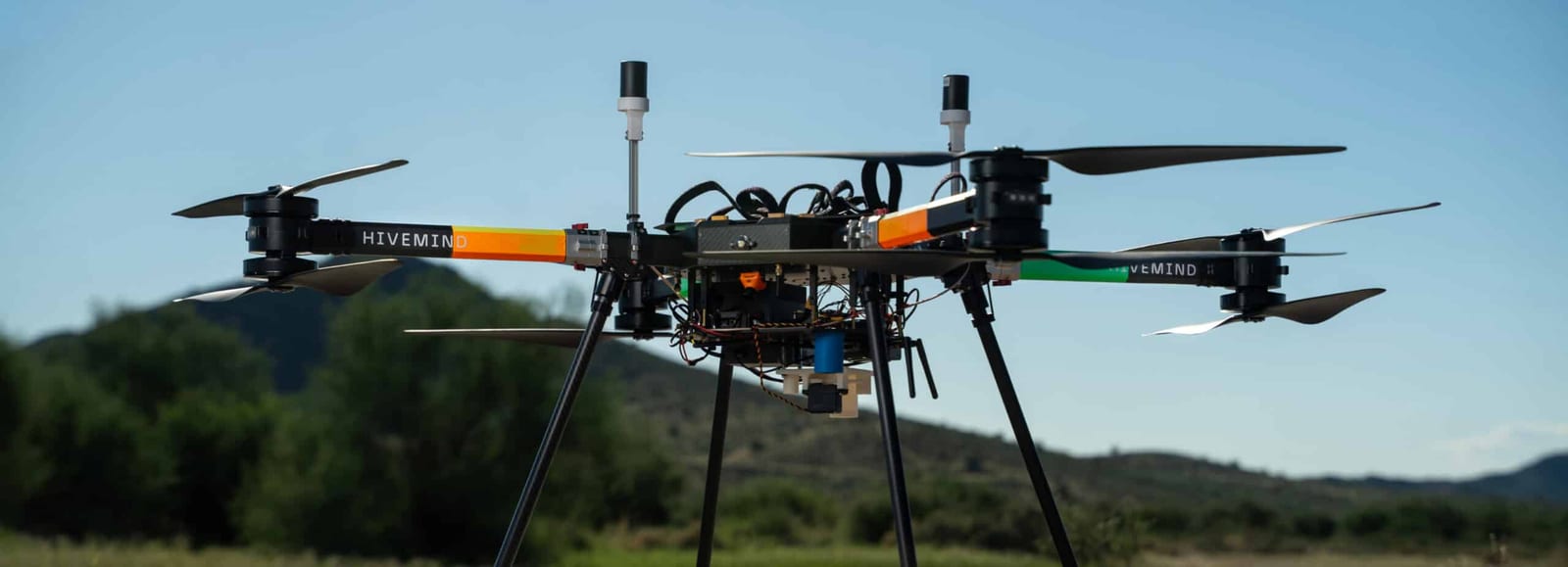
Honeywell Aerospace flew a BFD-SE8 autonomously in mid-June, six weeks after starting Shield AI's Hivemind Ent…
Sony will exhibit at CEATEC 2026, held October 13–16 at Makuhari Messe in Chiba, under the theme "Where Ideas…