What happened
The United Nations' International Telecommunication Union (ITU) held its 10th annual AI for Good summit in Geneva, bringing together private and public sector representatives to discuss how artificial intelligence could address global challenges like hunger, disease, and climate change. The conference featured debates on access to AI models and computing resources, and announced formation of a 44-member commission cochaired by Rwandan president Paul Kagame and Salesforce CEO Marc Benioff to shepherd AI for Good initiatives.
Why it matters
Participants raised serious concerns about how AI is being deployed without sufficient oversight, with humanitarian organizations warning that unchecked corporate control is already hardwiring global inequality and eroding human rights. Access to AI compute and models remains unevenly distributed—most large language models are structured around English, and export controls and intellectual property restrictions risk excluding poorer countries from shaping the technology's future. Engineers and standards bodies are now recognizing that human rights and equity are core infrastructure questions, not afterthoughts.
What to watch
The divide between rhetorical commitment and concrete action persisted throughout the summit. While humanoid robots and Tesla Cybertrucks were displayed on the convention floor, attendees and speakers emphasized that technical decisions—built into hidden architecture, technical standards, and procurement choices—matter far more than policy declarations. The challenge now is translating high-level human rights principles into verifiable technical enforcement and practical impact assessments with real accountability, rather than governance theater.
Summaries like this, in your inbox every morning.
The AI for Good summit reveals a fundamental tension in global AI governance: while Silicon Valley and AI labs debate superintelligence risks with lawmakers in Washington, the United Nations is trying to ensure that AI deployment actually serves poorer nations and vulnerable populations. The conference exposed how corporate control of AI infrastructure—from chip exports to model architecture to procurement standards—bypasses democratic deliberation and locks in inequality before any policy discussion can occur.
The complaints voiced at the summit point to a decade-long pattern: major technology companies have struck opaque deals with public institutions and humanitarian organizations, but those institutions cannot fully explain what they are deploying or how it works. Engineers and standards bodies are now acknowledging that designing for human rights and equity is not a compliance afterthought but a core infrastructure question. The challenge, as speakers emphasized, is moving from rhetorical commitment to practical enforcement—embedding accountability into technical standards and requiring meaningful impact assessments with teeth, rather than accepting vague definitions of "good" that are impossible to engineer against.
Pick your industry and the AI tools you use, and get news related to your work every day.
Free · 30 seconds with Google · unsubscribe anytimeWhat is AIToday? →
Ask AI anything about this article. The AI reads this article, earlier AIToday articles, and Wikipedia, and cites its sources. Q&As are published on this page for other readers too.
Skild AI used Nvidia Isaac Sim to give its S1 model one objective — score a goal — and let it compete against…

Taiwan is considering much stricter export controls on AI chip sales to China, part of a greater alignment wit…

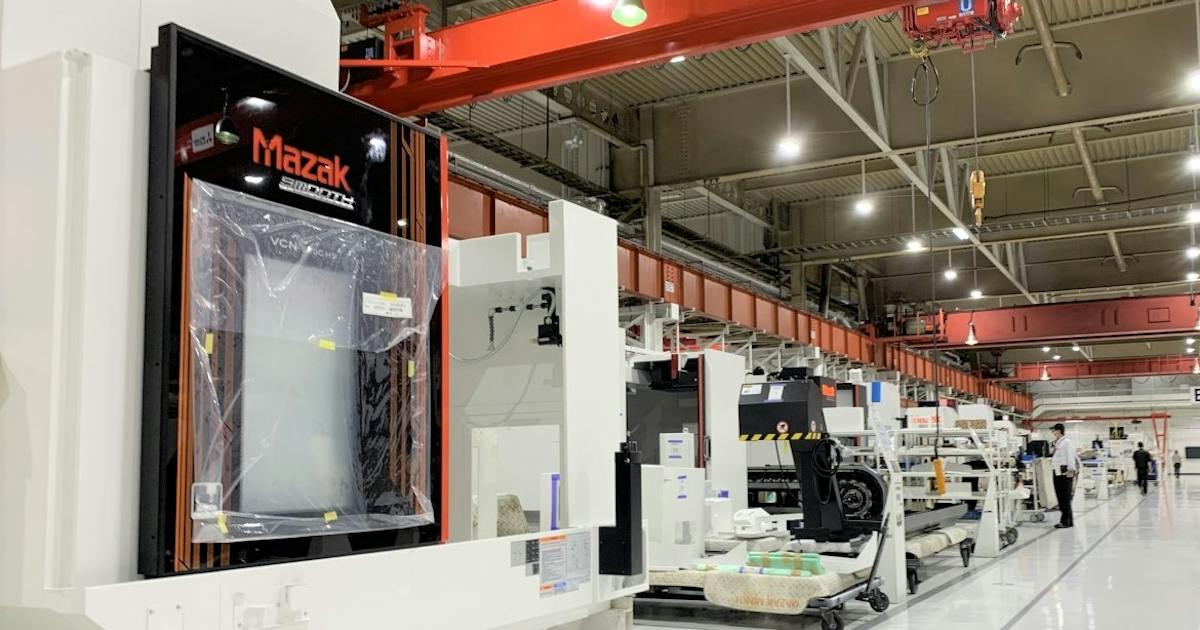
Yamazaki Mazak and ABEJA said on the 16th they will start joint development of physical AI, using ABEJA's ABEJ…
Nichiren announced its generative AI voice usage guideline on October 15, built on three pillars: prior notice…

At the Most Powerful Women Summit, Marissa Mayer said anyone who claims to know how AI will play out is 'eithe…
SHIFT announced it began a project for the Acquisition, Technology & Logistics Agency (防衛装備庁) covering AI-rela…