What happened
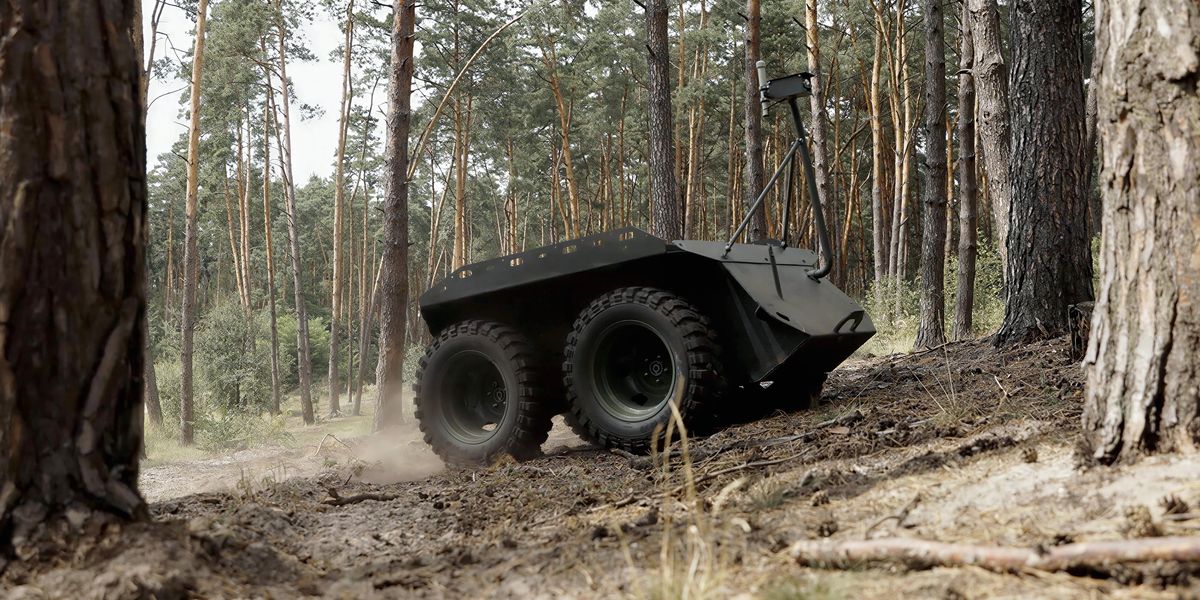
Ukraine's President Zelenskyy signed an order in April for the government to procure 50,000 unmanned ground vehicles (UGVs) by the end of 2026, more than three times the number purchased in 2025 and a massive increase from the 2,000 procured in 2024. Ukrainian companies like RoverTech and DevDroid have developed dozens of ground robot variants over the past three years that can be remotely operated, armed with machine guns or grenade launchers, and controlled from as far as 100 kilometers away using Starlink, LTE, or military radio systems.
Why it matters
Ukraine, suffering from a shortage of infantry and having lost over 150,000 fighters since 2022, is turning to robots to reduce human casualties on the frontline. The kill zone—a roughly 35-kilometer-wide stretch of land straddling the front—has become nearly impossible for soldiers to survive as drones can strike anything within minutes. UGVs now perform supply runs, evacuate the wounded, and conduct combat operations alongside aerial reconnaissance, allowing Ukraine to preserve lives and potentially reduce the number of soldiers needed along the frontline by 30 to 40 percent.
What to watch
The strategy is already proving effective; RoverTech's Zmyi rover completes on average 57 missions across the kill zone before being destroyed, compared with about seven missions for typical UGVs. This year is being called "the year of the assault UGV" as Ukrainian tactics increasingly combine ground robots with real-time drone surveillance to stalk, corner, and engage enemy troops. The technology could reshape how militaries worldwide approach frontline defense.
Summaries like this, in your inbox every morning.
The surge in Ukrainian ground robot procurement reflects a fundamental shift in how Ukraine is fighting the war—moving from traditional human-centered infantry tactics to a technology-focused strategy. The underlying pressure is acute: the kill zone has become lethal to humans at scales previously unseen, with drone technology and real-time reconnaissance making the frontline nearly uninhabitable for soldiers. As one analyst notes, anything that enters the kill zone faces being struck by a first-person-view kamikaze drone within minutes, forcing Ukraine to find alternatives to human deployment.
Ukraine's embrace of UGVs is also a response to structural constraints. With a pre-war population of around 41 million and having lost over 150,000 fighters since 2022, plus hundreds more mutilated or permanently disabled, Ukraine faces a severe manpower shortage that Russia, with its larger pool of fresh recruits, does not face as acutely. The tactical evolution is clear: in 2024, UGVs began ferrying supplies; gradually they took over evacuations of the wounded; and this year, they are performing assault and reconnaissance roles. This progression is enabled by real-time coordination—reconnaissance drones discover enemy positions (often at night), and that data guides remote operators who direct UGVs to stalk, corner, and engage.
The business and technological implications are significant. Ukrainian startups have developed dozens of UGV variants, each costing a few tens of thousands of dollars compared to millions for a traditional tank, and they can be modified in front-line workshops to meet urgent needs. Designers like RoverTech's CEO envision a future frontline that is almost entirely automated, with only occasional human servicing. Such a shift, if achieved, could reshape global military doctrine and raise the technological bar for any country seeking to defend itself conventionally—a possibility that may appeal to nations with smaller populations or economic constraints.
Pick your industry and the AI tools you use, and get news related to your work every day.
Free · 30 seconds with Google · unsubscribe anytimeWhat is AIToday? →
Ask AI anything about this article. The AI reads this article, earlier AIToday articles, and Wikipedia, and cites its sources. Q&As are published on this page for other readers too.
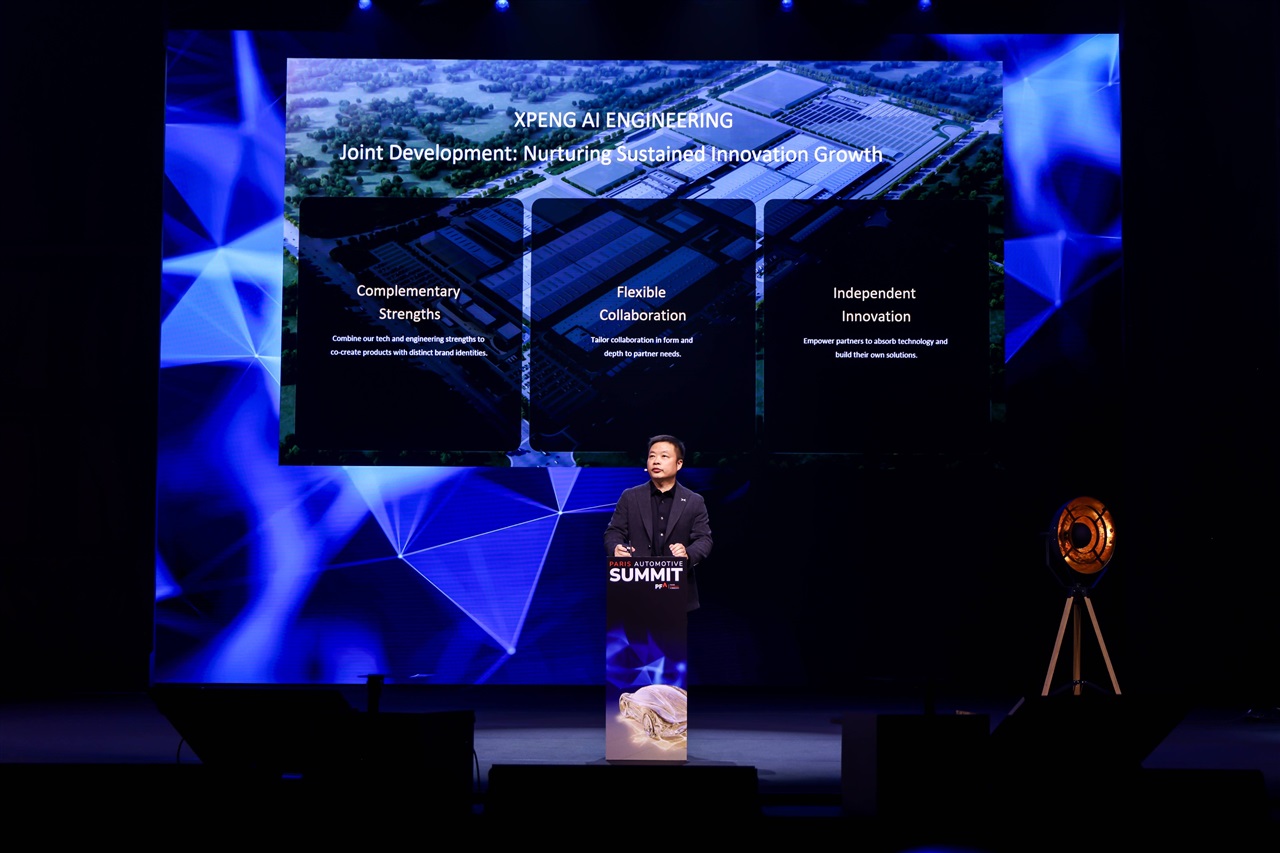
XPeng appeared at the Paris Automotive Summit, presenting not only automotive expertise but a broader technolo…
AIBotics completed its acquisition of NovaCore Labs' operating assets from PlayJamaica Limited, gaining 10 ser…

In an internal test, Google DeepMind robotics researchers instructed Gemini 4 Argon to watch a video of a huma…
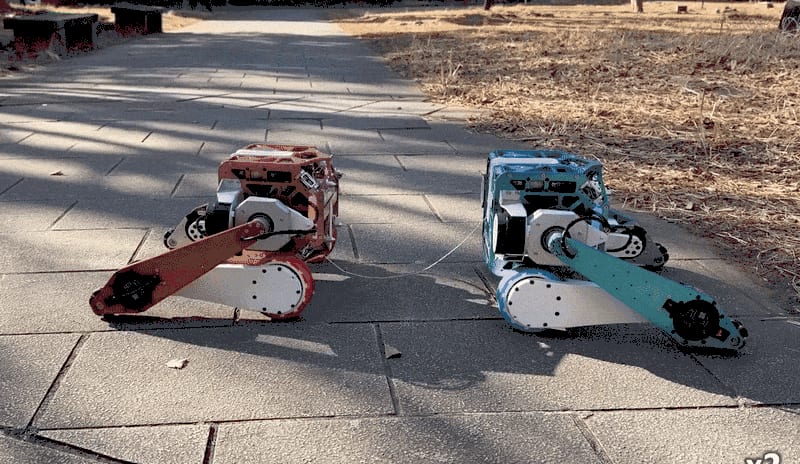
Amulya Vishwanath, who spent seven years leading product marketing for Nvidia's robotics platforms, says robot…

Claire interviewed Rika Antonova of the University of Cambridge on the Robot Talk podcast about using AI to de…

An essay argues that after language models spread through cognitive work like writing and accounting, AI is no…