
What happened
A design essay, using Pogee's public Japanese UI on 2026年10月15日, where Irene's festival post mentions spicy ramen with added cheese and a comment from Manager Kim, asks which context a character should draw on when a user opens a chat.
Why it matters
If a character's stored state is not separated from its posts and events, it can treat a published post as something the user has already seen and reply "we talked about that," so the essay proposes acceptance criteria and logging of inputs, referenced posts, display times and outputs.
Summaries like this, in your inbox every morning.
The essay builds its argument from a narrow starting point: a public post it opened in Pogee's Japanese UI on 2026年10月15日. In that post, Irene describes adding cheese to spicy ramen after a festival and being teased about the combination by Manager Kim, with the photo, character name, body text and input field visible on one screen. From that single view, the author asks which context a character should pull from when a user follows a post into a conversation, and whether the input field there is a comment or a path into chat — a question the screen alone cannot settle.
The library example is invented, not observed. Its purpose is to separate things that age at different speeds: a stable profile, a temporary state, an event, and relationship details such as a user's preferred name. Around that, the author lays out a short timeline — 18:00 closing, 18:10 finding a forgotten umbrella, 18:20 posting it, 18:25 starting a chat from the post — to show that a character's own knowledge and what the user has already seen are two different records. Conflating them is what produces a reply like "we talked about that" to a post the user has never opened.
The proposed answer is procedural rather than technical: a small contract when opening a chat from a post (the post ID, which parts are public, the related current state and how long it is valid), a fallback of quoting the post when the chat cannot reach it, and a rule against copying private chats into public posts. The essay closes by recommending a small start — one character, one state, one event — and a short route from post to chat, tested for missing and stale information before the world is expanded.
Pick your industry and the AI tools you use, and get news related to your work every day.
Free · 30 seconds with Google · unsubscribe anytimeWhat is AIToday? →
Ask AI anything about this article. The AI reads this article, earlier AIToday articles, and Wikipedia, and cites its sources. Q&As are published on this page for other readers too.
DeepSeek released DeepSeek-V4.1-Flash-1017, a “minor update” that reduces task execution time and output lengt…
NEC's Kei Noguchi described how employee engagement fell to 19%, with 8 in 10 staff saying they wanted to leav…

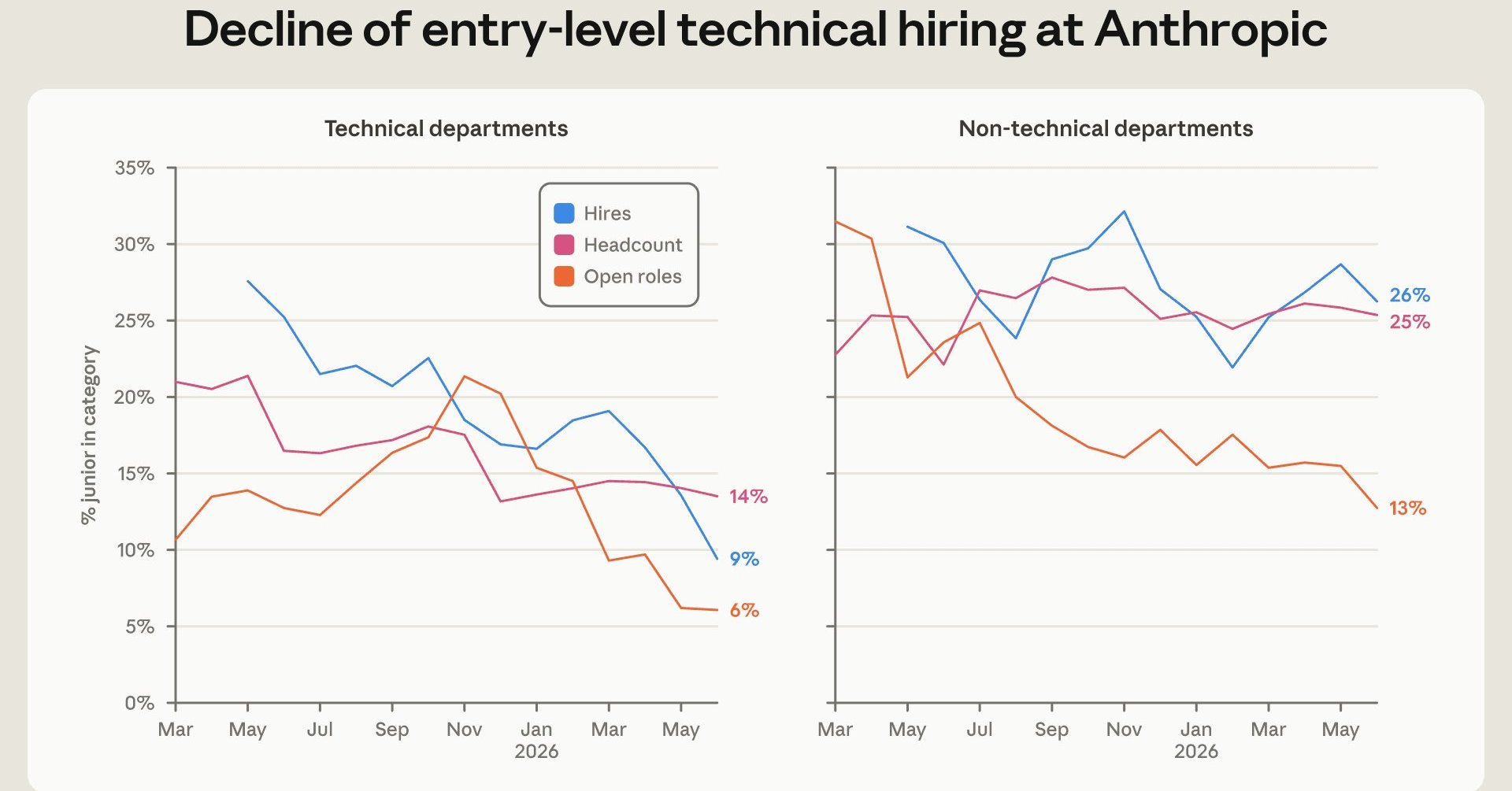
Anthropic's internal report says entry-level workers fell from 21% to 14% of technical staff, and entry-level…
Simon Willison shipped llm-echo 0.5, a debug plugin whose "echo" model involves no LLM at all and just repeats…

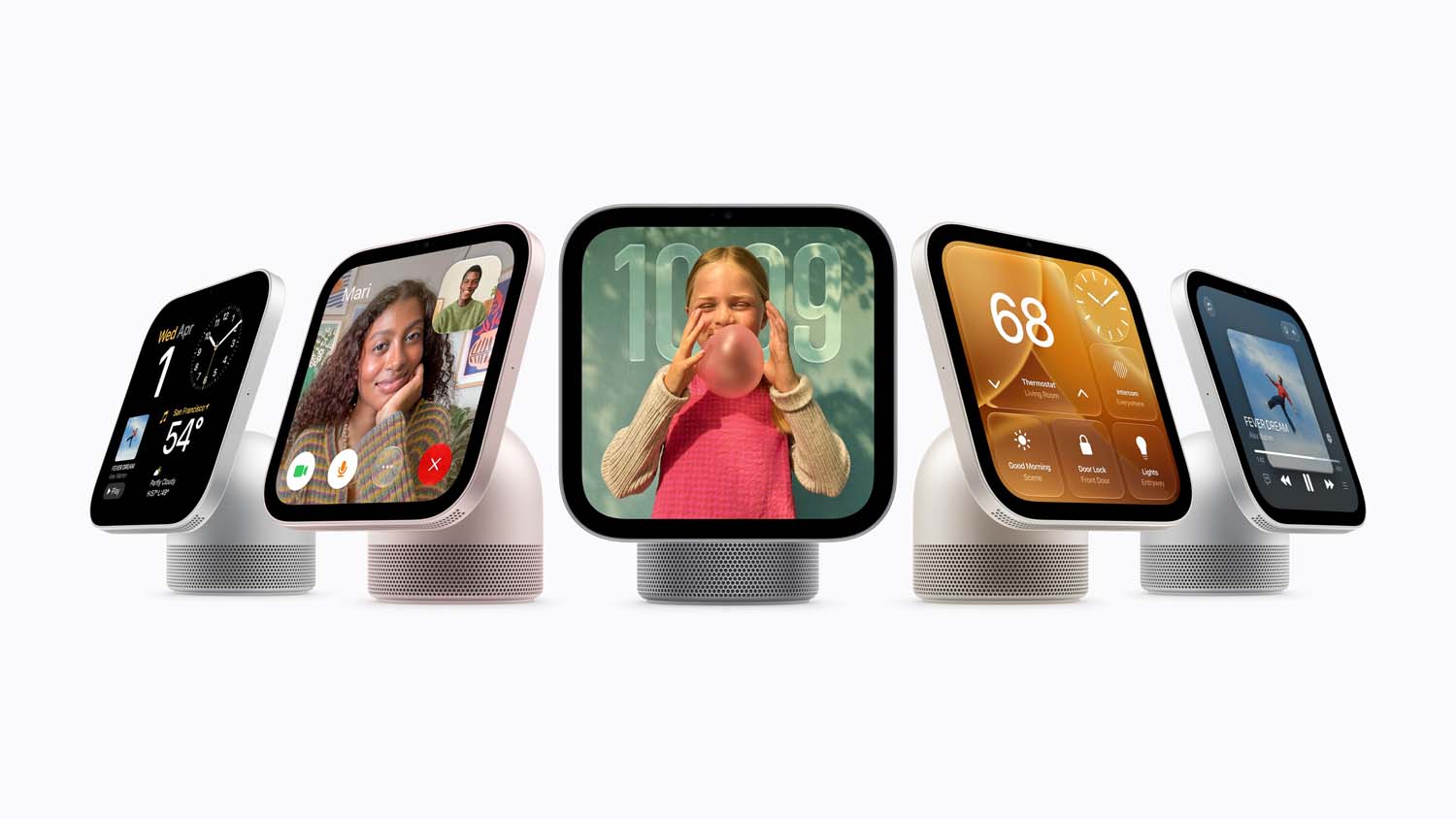
On October 13 (US time), Apple announced HomeView, a $299 smart home display running Siri AI and HomeKit but w…
The author detailed a Python script that uploads MP3 audio to Google Cloud Storage (GCS), transcribes it with…

