What happened
Anthropic launched Claude Sonnet 5.5 on September 28, priced at $2 per million input tokens and $10 output, half of Opus 5.5, with output over 30% faster than Sonnet 5.
Why it matters
The pricing and speed gains lower the cost per task, since fewer tokens are used per job, and its scores approach Opus 5.5.
What to watch
Sonnet 5.5 vs Opus 5.5 for tasks with long chains of judgment is likely the deciding factor. Availability ends no earlier than September 28, 2027.
WHO IT HITSTeams and developers using Claude Code or the API, especially those handling routine tasks like bug fixes or document creation, will find Sonnet 5.5 offers a faster, lower-cost option that may reduce reliance on the more expensive Opus 5.5, though complex design work is likely still Opus territory.
Summaries like this, in your inbox every morning.
Anthropic's release of Sonnet 5.5 follows its previous Sonnet 5, and the new model is positioned as both faster and cheaper on a per-task basis. While the per-token list price remains the same as Sonnet 5, the company and early testers indicate that fewer tokens are needed per task, lowering overall cost. For example, Balyasny Asset Management found token use per response dropped to about one-quarter of Sonnet 5's level on financial tasks.
The model's benchmark scores show significant gains over Sonnet 5 and come close to Opus 5.5 on many tests, even exceeding it in command-line programming. This suggests Anthropic is aiming to blur the line between its mid-tier and high-end models for routine work. Early users like Base44, Zendesk, and Box report practical improvements in speed and token efficiency, though long-chain reasoning remains a clear Opus 5.5 advantage.
The move matters for developers choosing models for coding and API use, as the combination of lower cost per task and near-Opus performance could change default choices. The outcome hinges on whether teams prioritize speed and cost over depth for their specific workloads, and how Sonnet 5.5's safety restrictions—such as switching to Sonnet 5 for high-risk cybersecurity requests—affect real-world use.
Pick your industry and the AI tools you use, and get news related to your work every day.
Free · 30 seconds with Google · unsubscribe anytimeWhat is AIToday? →
Ask AI anything about this article. The AI reads this article, earlier AIToday articles, and Wikipedia, and cites its sources. Q&As are published on this page for other readers too.
Ghost AI raised $11 million, led by Andreessen Horowitz with Abstract, Audacious Ventures, Nova and SV Angel…

Moonshot AI closed its final private round at about a $50 billion valuation and is aiming for a Hong Kong IPO…
OpenAI told Fortune it is piloting a 'mission interview' for candidates on certain teams, starting with market…

Reactor said it added Nvidia's venture capital arm and Sapphire Ventures to its cap table, bringing its total…
OpenAI will roll out invisible text watermarks to all ChatGPT and Codex plan users in the EU within weeks, and…
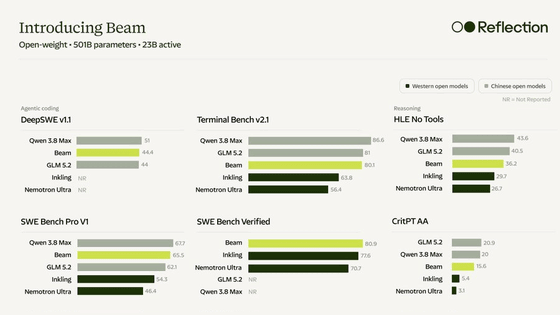
Reflection announced Beam, a 501B-parameter open-weight model with 23B active parameters, claiming parity with…