What happened
Reactor said it added Nvidia's venture capital arm and Sapphire Ventures to its cap table, bringing its total funding to $74 million, and disclosed active projects with Hollywood studios, ad platforms and streaming services.
Why it matters
The investment gives Nvidia a stake in infrastructure for running interactive models, positioning Reactor to supply the computing power and software needed as world models find uses in robot training and control.
What to watch
Reactor said it will use the investment to secure more computing capacity, expand its team and buy robot hardware to test its systems. Whether its cloud service can win robot developers hinges on how well it adapts interactive-media technology to robotics.
WHO IT HITSRobot developers are affected, since Reactor says it can run world models that respond to robot actions for testing software in generated environments without adding computing hardware to each robot. Hollywood studios, advertising platforms and streaming services running active projects on the platform may also gain from faster, cheaper model operation.
Summaries like this, in your inbox every morning.
The investment lands as world models draw growing attention and investment, with expectations that AI will move beyond screens into cars, robots and other objects. Within just the last week, AMD announced plans to acquire World Labs for $8.2 billion in stock and video AI startup Runway unveiled the first open-weight version of its world model. Reactor's bet is that, just as generative AI spawned an industry to train and run LLMs, world models will need their own infrastructure layer.
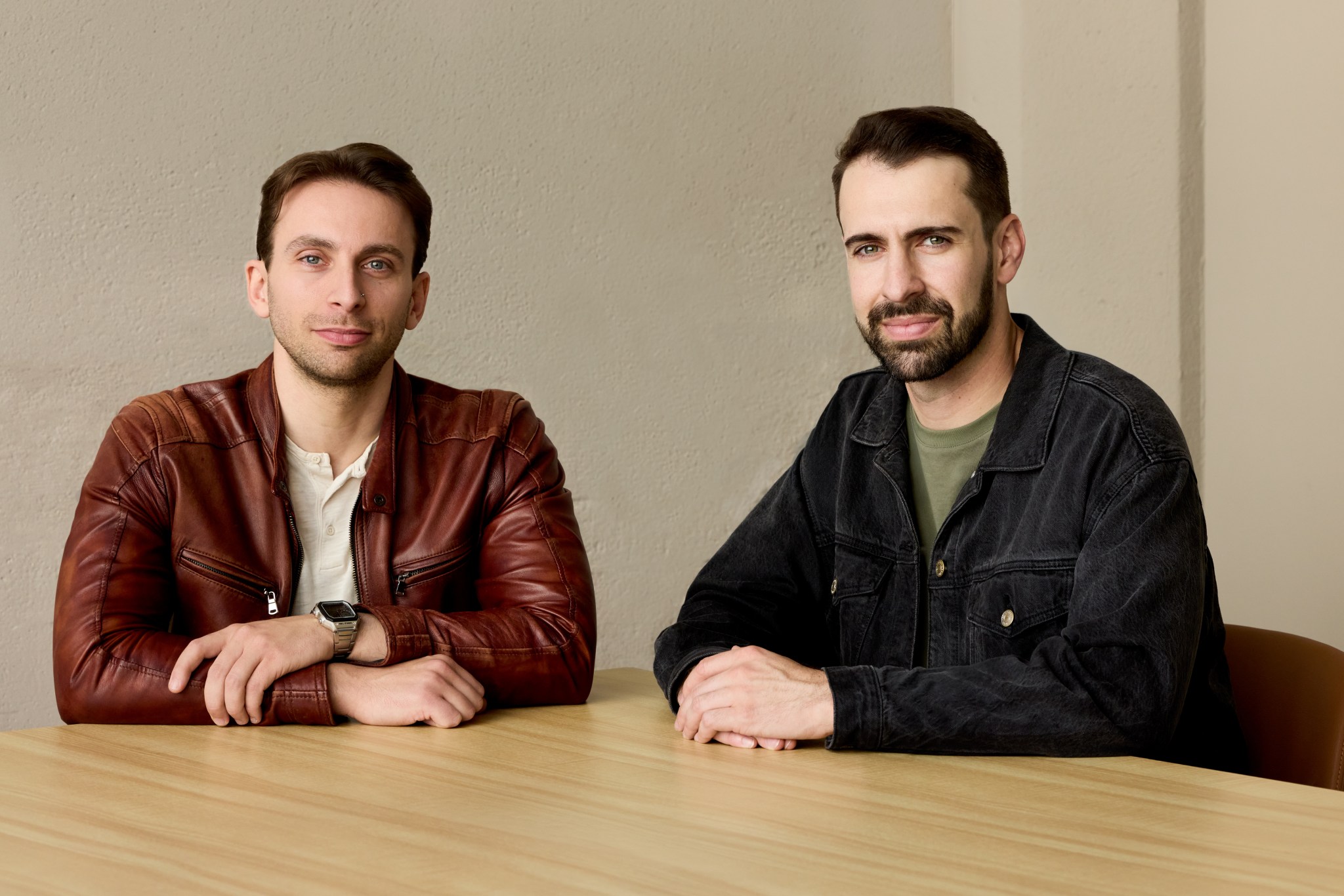
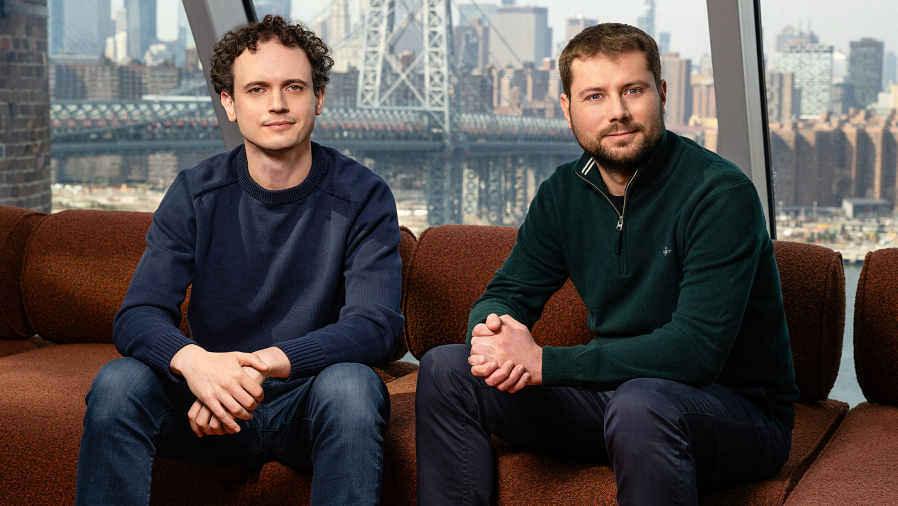
Reactor emerged from stealth in May and develops software to make world models run faster and cheaper while selling a cloud service that manages computing capacity. Its founders, Alberto Taiuti and Bryce Schmidtchen, both previously worked on Apple's Vision Pro, and Taiuti co-founded AI video generator startup Luma AI. Reactor says Hollywood studios, advertising platforms and streaming services have active projects on the platform, but the company sees robots as a major area of focus. Taiuti said building conventional simulations for robot testing can be time-consuming and costly, requiring developers to create three-dimensional objects and configure scenes, while world models could reduce that work by generating environments from prompts. Running models in the cloud gives developers access to more computing power without adding hardware to each robot and lets them upgrade the computers running the models without replacing hardware across a fleet.
Nvidia, which invested via its NVentures VC arm, has developed its own Cosmos world models, alongside Isaac tools for robot simulation and Jetson computers that run AI on robots. The outcome for Reactor is likely to hinge on whether its claim that similar models and workloads can run on the same core engine holds up in robotics, and on whether robot developers adopt generated environments over conventional simulation. For Nvidia, the stake extends its position across the infrastructure that runs interactive models, not just the hardware those models run on.
Pick your industry and the AI tools you use, and get news related to your work every day.
Free · 30 seconds with Google · unsubscribe anytimeWhat is AIToday? →
Ask AI anything about this article. The AI reads this article, earlier AIToday articles, and Wikipedia, and cites its sources. Q&As are published on this page for other readers too.
Ghost AI raised $11 million, led by Andreessen Horowitz with Abstract, Audacious Ventures, Nova and SV Angel…

Moonshot AI closed its final private round at about a $50 billion valuation and is aiming for a Hong Kong IPO…
OpenAI told Fortune it is piloting a 'mission interview' for candidates on certain teams, starting with market…
A Stanford, Carnegie Mellon, UC Berkeley, and Microsoft Research team ran 6,800+ math, coding, and science tas…
Reflection AI launched Beam, a 501 billion-parameter open-source LLM
The AI Cybersecurity and Resilience Summit will feature a Dell Technologies-led flagship program Oct