What happened
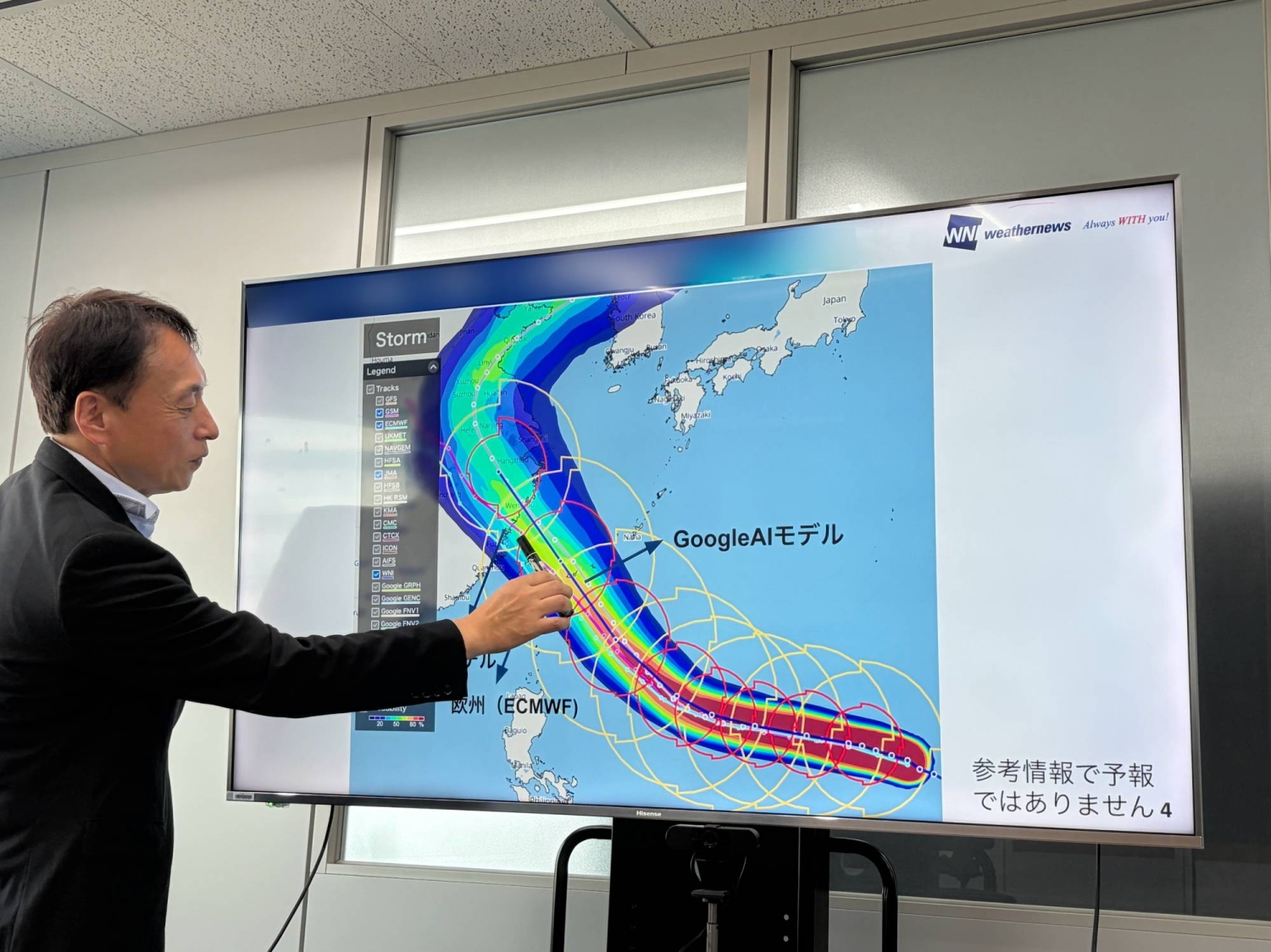
AI is gaining ground in weather forecasting, with meteorological agencies and private companies worldwide developing proprietary AI forecasting models, Weathernews' Daisuke Abe explained a model in Chiba in July.
Why it matters
Forecasts have traditionally relied on numerical weather prediction, where supercomputers process observational data and simulate atmospheric conditions using physics laws. AI models instead analyze vast amounts of historical data to predict future weather patterns.
What to watch
The shift raises the question of whether AI models can match the physics-based approach in practice, and whether agencies and firms will keep investing in both systems. Watch how development progresses across meteorological agencies and private companies.
WHO IT HITSMeteorological agencies and private-sector companies developing forecasting models are directly affected, as they weigh AI-based approaches against established numerical weather prediction. Businesses and individuals relying on weather forecasts may see changes in how predictions are produced.
Ask the AI about this article →
Summaries like this, in your inbox every morning.
Weather forecasting has long depended on numerical weather prediction: supercomputers take observational data and simulate atmospheric conditions using the laws of physics. That approach demands enormous computing power and a deep physical model of the atmosphere.
In recent years, AI-based weather models have emerged as a different path. Instead of simulating physics, these systems analyze vast amounts of historical data to predict future weather patterns. According to the article, meteorological agencies and private-sector companies worldwide are now developing their own proprietary AI forecasting models. Weathernews executive officer Daisuke Abe explained one such model in Chiba in July.
The stakes come down to whether historical-data-driven models can match or complement the physics-based systems that agencies have relied on for decades. The outcome hinges on how well these AI models perform in practice across different weather situations, and on whether agencies and companies continue to invest in both approaches side by side.
For example, today's edition would include:
AI-summarized, only the topics you pick — one digest a day via Email, Slack, or Discord.
Free · 30 seconds with Google · unsubscribe anytimeWhat is AIToday? →
Ask AI anything about this article. Q&As are published on this page for other readers too.
Meta announced on Sept. 15 the global rollout of Meta One, a subscription combining premium features across it…
SAP CEO Christian Klein says voice recognition in large language models is strong, and SAP predicts typing dat…

At its Amplify user conference, Workiva placed controls, data lineage and human sign-off at the center of its…
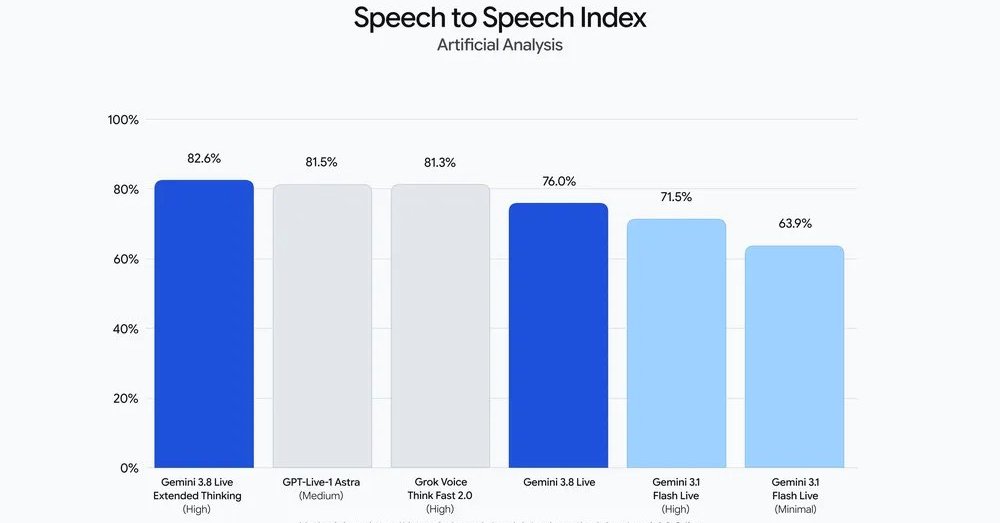
Google announced Gemini 3.8 Live and Gemini 3.8 Live Extended Thinking on September 15 and began offering them…
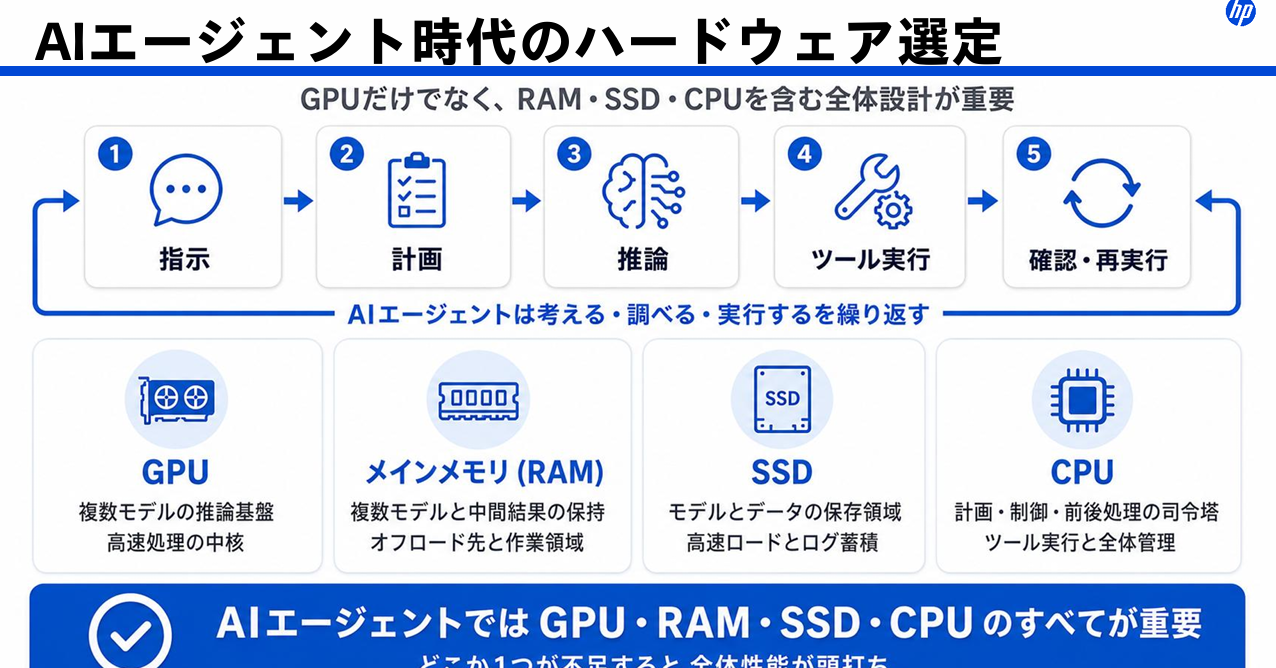
At HP Partner Communication 2026 on July 16, 2026, Japan HP's Hiroshi Katsuya told partners to stop selling cl…
The heads of leading U.S