What happened
Xiaomi released and open-sourced the MiMo-V2.6 series — MiMo-V2.6-Pro and a smaller Flash variant — plus a Pro-UltraSpeed variant up to 20 times faster. Pro scored 46.32 on the Artificial Analysis Intelligence Index.
Why it matters
Xiaomi says Pro is the highest-ranked open-source/open-weight model in that comparison at launch, with 1 million-token context windows, and it claims Pro costs roughly one-20th to one-60th as much as overseas models at comparable intelligence.
What to watch
Pro still trails Claude Fable 5.1 and GPT-6 Astra on aggregate measures, and Xiaomi says the relevant business comparison is price per task, not price per token. Watch whether 20× faster generation justifies Pro-UltraSpeed's $4.35 and $8.70 pricing.
WHO IT HITSIt lands on teams evaluating cheaper open-weight alternatives for computer-use agents, coding and design agents, and document-heavy workflows, since the series is open-sourced and priced at MiMo-V2.5 API rates.
Summaries like this, in your inbox every morning.
Xiaomi's move continues a pattern of open-weight releases aimed at agentic use cases. The company demonstrated the model on game worlds, Blender-based 3D modeling, embodied simulation and video-music workflows, and highlighted computer-use agents that read a task, a screenshot or video, reason, and decide the next step within one model loop.
On agentic tasks, V2.6-Pro's testing results were close to or occasionally above leading closed systems: 53.1 on AutomationBench versus Claude Opus 5's 50.3; 31.6 on Agents' Last Exam, tying Opus 5; and 89.9 on Terminal Bench 2.1, slightly ahead of Opus 5's 89.1. Yet the model still trails Claude Fable 5.1 and GPT-6 Astra on aggregate measures.
The pricing argument is Xiaomi's own: it claims Pro costs roughly one-20th to one-60th as much as overseas models at comparable intelligence, factoring in cached-token costs, versus $10 to $50 input and output per million tokens for GPT-6 Astra and Claude Fable 5.1. Whether that translates into lower cost per task is likely to hinge on reliability and how many loops a task takes to complete successfully.
For example, today's edition would include:
AI-summarized, only the topics you pick — one digest a day via Email, LINE, or Slack.
Free · 30 seconds with Google · unsubscribe anytimeWhat is AIToday? →
Ask AI anything about this article. Q&As are published on this page for other readers too.
Hermes Testing Solutions began trading on the over-the-counter market on September 22, aiming to benefit from…

The Indeed Hiring Lab report says pay in the most AI-exposed US occupations rose roughly 46% since 2021, versu…

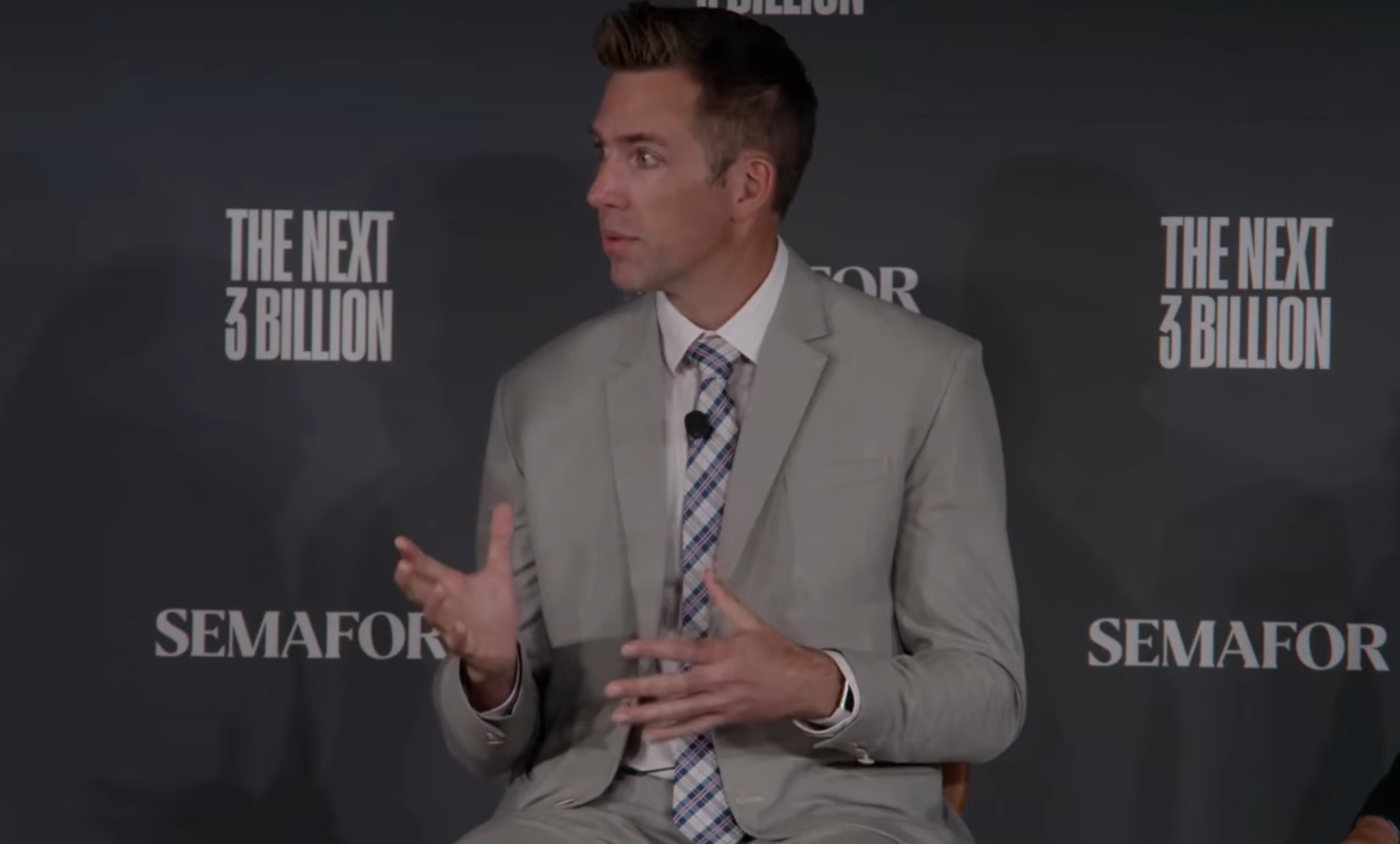
At Semafor's The Next 3 Billion event, Nvidia sustainability head Josh Parker attributed recent US anti-AI sen…
JS Denain of Epoch AI said OpenAI and Anthropic blog posts on AI accelerating AI progress are not strong evide…

The Biological Computing Co

Salesforce borrowed $25 billion and launched its largest-ever share buyback, then announced Claudeforce in Aug…