
AbbVie created a structured framework to move AI from promising ideas to real, compliant solutions in pharmaceutical operations. The key insight: success depends not on the AI technology itself but on building organizational readiness first—establishing a cross-functional community, clarifying governance, ensuring data quality, and designing solutions that fit users' daily workflows. The company received about 100 ideas and is now advancing 10 priorities with 58 volunteers.
Summaries like this, in your inbox every morning.
Sign up free →What happened
AbbVie launched an Operations Quality Assurance Innovation Accelerator designed to help teams move from AI ideas to compliant, adopted solutions. The program created a community of more than 120 cross-functional members across 11 functions and received approximately 100 opportunities in 2025, which leadership narrowed to 10 priorities; 58 volunteers from multiple functions signed up to help advance the work.
Why it matters
The barrier to AI adoption in regulated industries like pharmaceuticals is often not the technology itself—it is readiness gaps: poor data quality, resistance to change, unclear governance, and disconnected workflows. AbbVie's experience shows that building a community of practice first, then applying a structured framework for problem definition and governance, helps ensure AI solutions actually fit daily workflows and stick rather than being abandoned for familiar tools like spreadsheets.
What to watch
The framework flipped the traditional approach by crowdsourcing problems from operations staff living with the pain, rather than having leadership dictate priorities. The team is now advancing 10 prioritized opportunities with 58 cross-functional volunteers, guided by the principle of "progress over perfection."
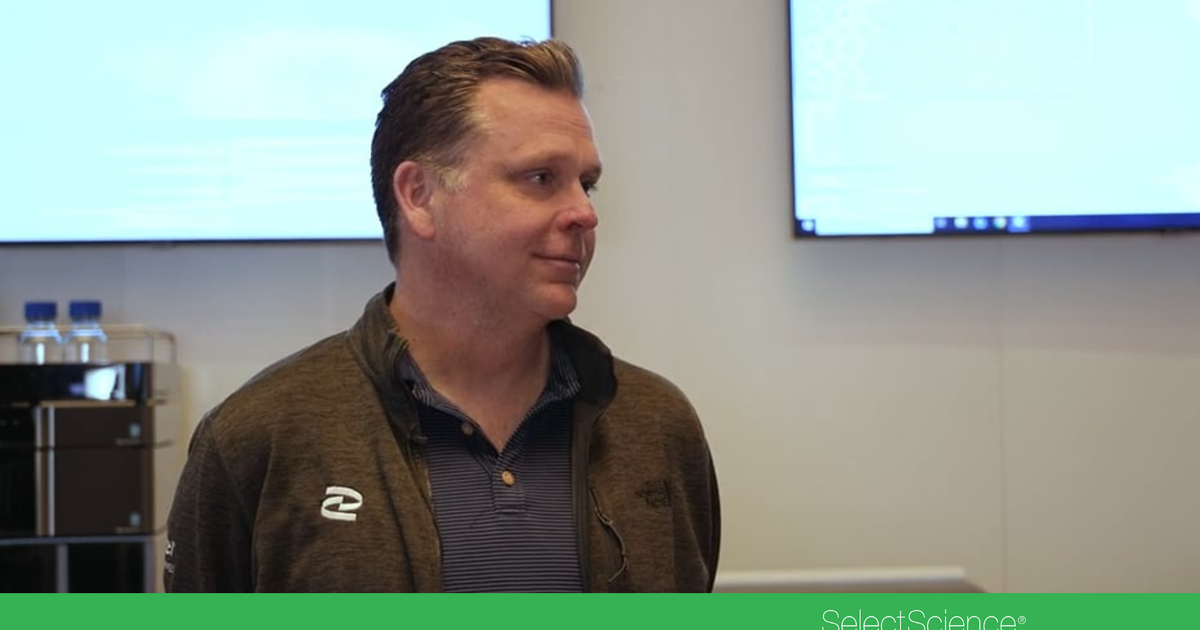
At the ISPE AI in Life Science Summit, Michael Grischeau and Paula Gamboa from AbbVie described how the company is systematically closing the gap between AI enthusiasm and real operational impact. Both leaders acknowledged that pharmaceutical organizations have no shortage of compelling AI use cases, but translating them into compliant, adopted solutions remains difficult.
The team began by creating a community of practice within operations quality—a deliberate people-first infrastructure. Today that community encompasses more than 120 cross-functional members spread across 11 functions. The sessions serve multiple purposes: sharing updates, educating participants, surfacing problems, and connecting people who are solving similar challenges in different parts of the business. Gamboa explained that this community became the foundation for transformation: when one member raised a challenge, another could share how they had approached the same problem elsewhere. Instead of operating in silos, teams began to recognize patterns and reuse capabilities.
Once the community was established, AbbVie rolled out the Innovation Accelerator—a structured framework to evaluate and develop solutions with greater discipline. Rather than asking "What AI tool do we want?", teams are now encouraged to ask: How much time is being spent on the current process? What pain point are we solving? What is the business value? What data do we have? What governance is required? Who will own and adopt it? In 2025, when the team pitched this approach to leadership and invited crowdsourced ideas from operations staff, the response was striking: approximately 100 opportunities came forward. Leadership then prioritized these into 10 initiatives, and 58 volunteers from multiple functions volunteered to help advance the work.
Both leaders emphasized a critical realization: AI itself is not the hard part. "Everything around it" is—the governance, data quality, change management, and especially the people side. They encountered familiar cross-functional challenges: unclear ownership, limited sponsorship, difficulty sustaining momentum, and complexity in assigning accountability across functions. Rather than viewing these as failures, the team treated them as diagnostic signals. By stepping back to understand what each function needed and where capabilities overlapped, they reduced duplication and encouraged reuse instead of reinvention. For Grischeau, the deepest value lies not in data science or life science, but in what he called "people science"—the development of critical thinking, project management, communication, storytelling, and conflict resolution skills that teams carry forward across all future work.
AbbVie's approach tackles a central tension in regulated industries: the gap between AI promise and practical adoption. The company realized that jumping straight to AI solutions without establishing readiness creates waste and failure. Instead, it prioritized building infrastructure first—a community of practice spanning 11 functions that could surface shared problems, share solutions, and build collective momentum.
The Innovation Accelerator framework operationalized this insight by forcing teams to answer harder questions before selecting technology: Who will actually use this? What governance does it require? Do we have the data and skills? This disciplined problem-first approach helped the team move from approximately 100 unvetted ideas to 10 strategic priorities backed by 58 committed volunteers. The emphasis on "progress over perfection" and the framing of cross-functional friction as useful signal—rather than failure—suggests the company is building capability and culture, not just deploying tools. For pharmaceutical and other regulated operations teams, the message is clear: readiness is the bottleneck, not innovation.
AI-summarized, only the topics you pick — one digest a day via Email, Slack, or Discord.
Free · takes 30 seconds · unsubscribe anytime
No comments yet. Be the first to share your thoughts!
Log in to join the discussion



Get curated AI news from 200+ sources delivered daily to your inbox. Free to use.
Get Started FreeFree · takes 30 seconds · unsubscribe anytime
1 minute a day. The AI essentials.
200+ sources · Email / LINE / Slack
