
What happened
Amazon started early access for Alexa+ in Japan, a generative-AI rebuild that understands Japanese culture, holds natural conversation without a wake word, and can order gifts, run smart-home devices and send email; it is free "for the time being" and will cost 3,000 yen a month afterward, though Prime members (5,900 yen a year) stay free.
Why it matters
The launch lands days after Apple's Siri AI (Nov 27) and Meta's Muse (Nov 23) arrived in Japan, so Japanese households now face three competing AI assistants — and Amazon is betting its edge is simplicity, needing no app, plus links to local services such as Tabelog restaurant bookings and Uber Eats, though those are undated.
What to watch
The 29th brings the on-sale start of the smart clock Echo Time and the new Echo Dot, both Alexa+-capable devices.
WHO IT HITSJapanese Echo, Fire TV and smart-display owners gain a conversational assistant on existing hardware, while makers of smart-home appliances gain a Smart Home AI Toolkit to connect devices to Alexa+ more easily.
Summaries like this, every morning.
Amazon frames the rebuild as starting from zero: Gianmaria Visconti, Asia-Pacific regional manager for Amazon Alexa International, said the company combined advances in AI and large language models with nine years of experience and context in Japan to remake Alexa as Alexa+. That local development setup is also the stated reason Japan waited months after the U.S. early access began in February. Michele Butti, vice president at Amazon Alexa International, said the roughly half-year gap reflects the time needed to reach the right experience level rather than a focus on competitors. The timing is nonetheless crowded: Apple's Siri AI started in Japan on the 27th and Meta's Muse on the 23rd, putting three AI assistants in front of Japanese users within days. Amazon's stated differentiators are simplicity — no app needed, usable by all generations — and deep ties to local services. On shopping, Amazon says it requires explicit user confirmation before completing a purchase or booking, contrasting with rivals that allow small automatic payments within a budget. The push sits inside what Amazon calls ambient AI, an assistant that anticipates needs like turning on the air conditioner or reminding about lights, built on a base of 2.6 billion smart-home operations in Japan over the past 12 months.
Pick your industry and the AI tools you use, and get news related to your work every day.
Free · 30 seconds with Google · unsubscribe anytimeWhat is AIToday? →
Ask AI anything about this article. The AI reads this article, earlier AIToday articles, and Wikipedia, and cites its sources. Q&As are published on this page for other readers too.
Crux Labs launched with over $6 million in funding led by Benchstrength and Misneach, with Analog Ventures and…

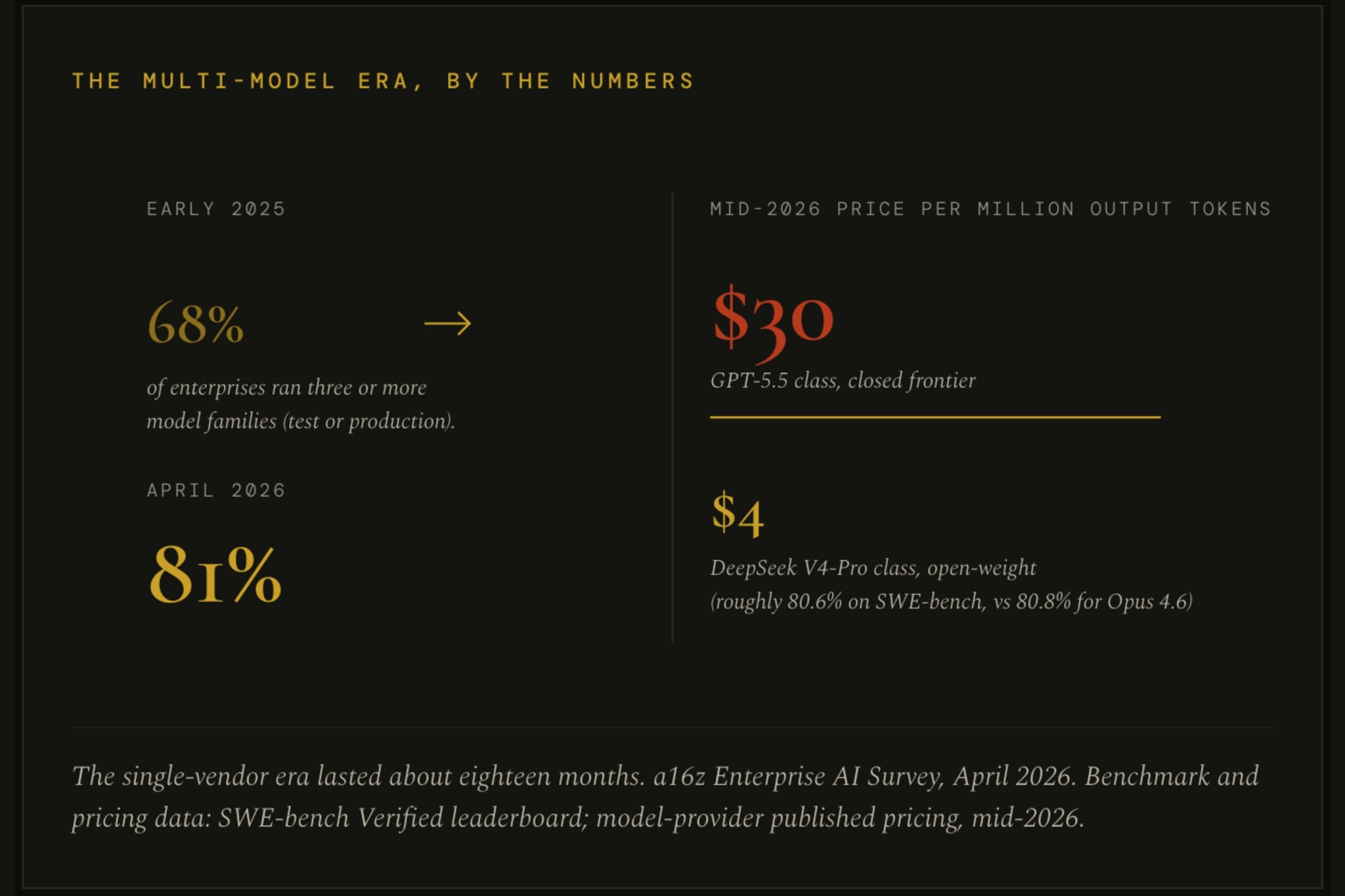
In a Fortune essay, Collective[i] argues companies should treat AI models as swappable commodities and own the…
A 31-year-old Seattle woman on epilepsy medication died in February 2026; her parents sued OpenAI in October 2…

Nscale is asking US investors for a roughly $30 billion valuation on first-half 2026 revenue of $140.6 million…

Studying the four most widely used agent frameworks, Partnership on AI researchers found key observability req…

Amazon added more than 100 new shopping-related capabilities to Alexa, including subscription and list managem…