What happened
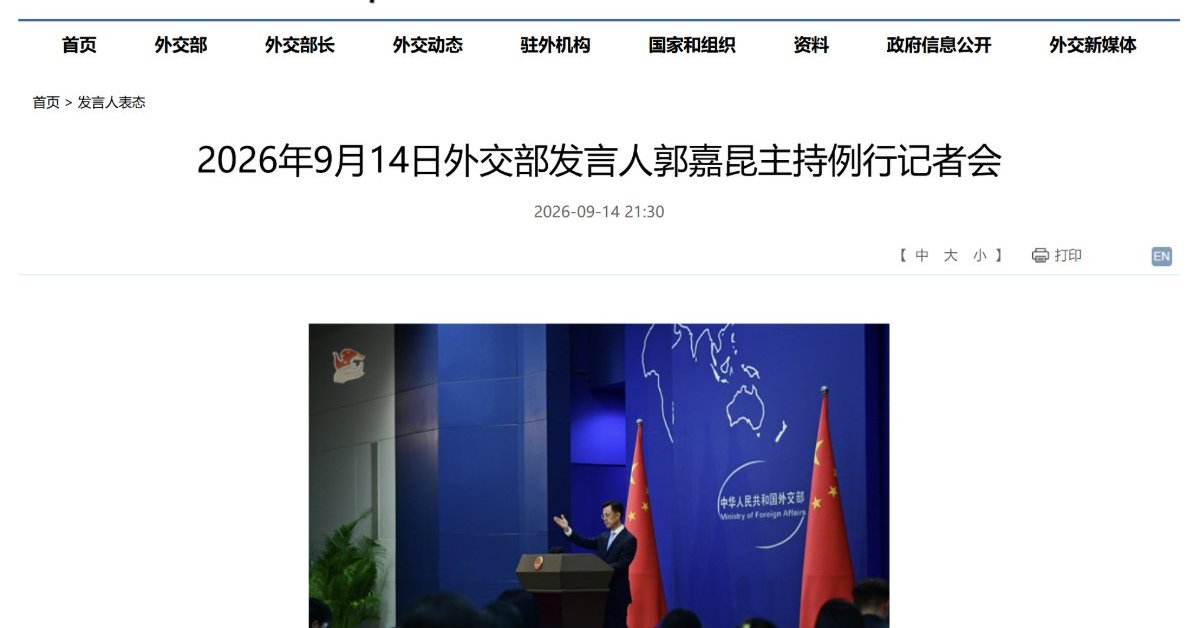
At a September 14 press briefing, China's Foreign Ministry deputy spokesperson Guo Jiakun responded to a Reuters question about Amodei, Sam Altman and Elon Musk urging a slowdown in frontier AI, saying fears and vicious competition harm global AI governance.
Why it matters
Amodei's essay "We Must Pace the Frontier", published on his personal site on the 12th, argued that pace coordination within democracies can only go as far as the US lead over China allows. He conditioned it on export bans on AI chips and semiconductor equipment to China.
What to watch
Guo did not name Amodei or any company directly, so the test is whether Beijing's push for a BRICS open-source AI community, which Xi Jinping proposed at the BRICS summit in India, gains traction. China chairs BRICS next year.
WHO IT HITSGovernment officials and policy teams tracking US-China tech tensions, along with AI companies weighing export controls and open-source releases, face a widening gap between Washington's slowdown arguments and Beijing's push for a BRICS open-source AI community.
Ask the AI about this article →
Summaries like this, in your inbox every morning.
The exchange marks a direct collision between two views on how fast frontier AI should advance. On September 12, Anthropic CEO Dario Amodei published an essay titled "We Must Pace the Frontier", arguing that the industry should slow the pace of capability gains and framing coordination within democracies as limited by the US lead over China. He set preconditions: export bans on AI chips and semiconductor equipment to China, and crackdowns on unauthorized distillation by authoritarian-country firms. A third-stage task, he wrote, would be global coordination including authoritarian states.
Two days later, at a regular press briefing on September 14, China's Foreign Ministry deputy spokesperson Guo Jiakun was asked about that position by a Reuters reporter, who noted that Amodei, OpenAI CEO Sam Altman and SpaceX CEO Elon Musk had jointly called for a slowdown in frontier AI development. Guo answered that AI development concerns the common well-being of all humanity, that all parties should cooperate to advance open, inclusive and universally beneficial AI, and that spreading threat theories or engaging in confrontation and vicious competition only obstructs global AI governance and benefits no party. He did not name Amodei or any company.
At the same briefing, Guo tied the discussion to the BRICS summit held in India, where Xi Jinping proposed an open-source and inclusive AI initiative. China, he said, would take the lead in establishing a BRICS AI open-source community and build a cloud foundation for the BRICS digital ecosystem, and would help Global South countries build capacity to share in the benefits of emerging technologies. China chairs BRICS next year. The two threads — US calls for pacing and Chinese promotion of open-source AI for the Global South — now sit side by side, and how far each gains traction is likely to shape the next round of AI governance talks.
For example, today's edition would include:
AI-summarized, only the topics you pick — one digest a day via Email, Slack, or Discord.
Free · 30 seconds with Google · unsubscribe anytimeWhat is AIToday? →
Ask AI anything about this article. Q&As are published on this page for other readers too.
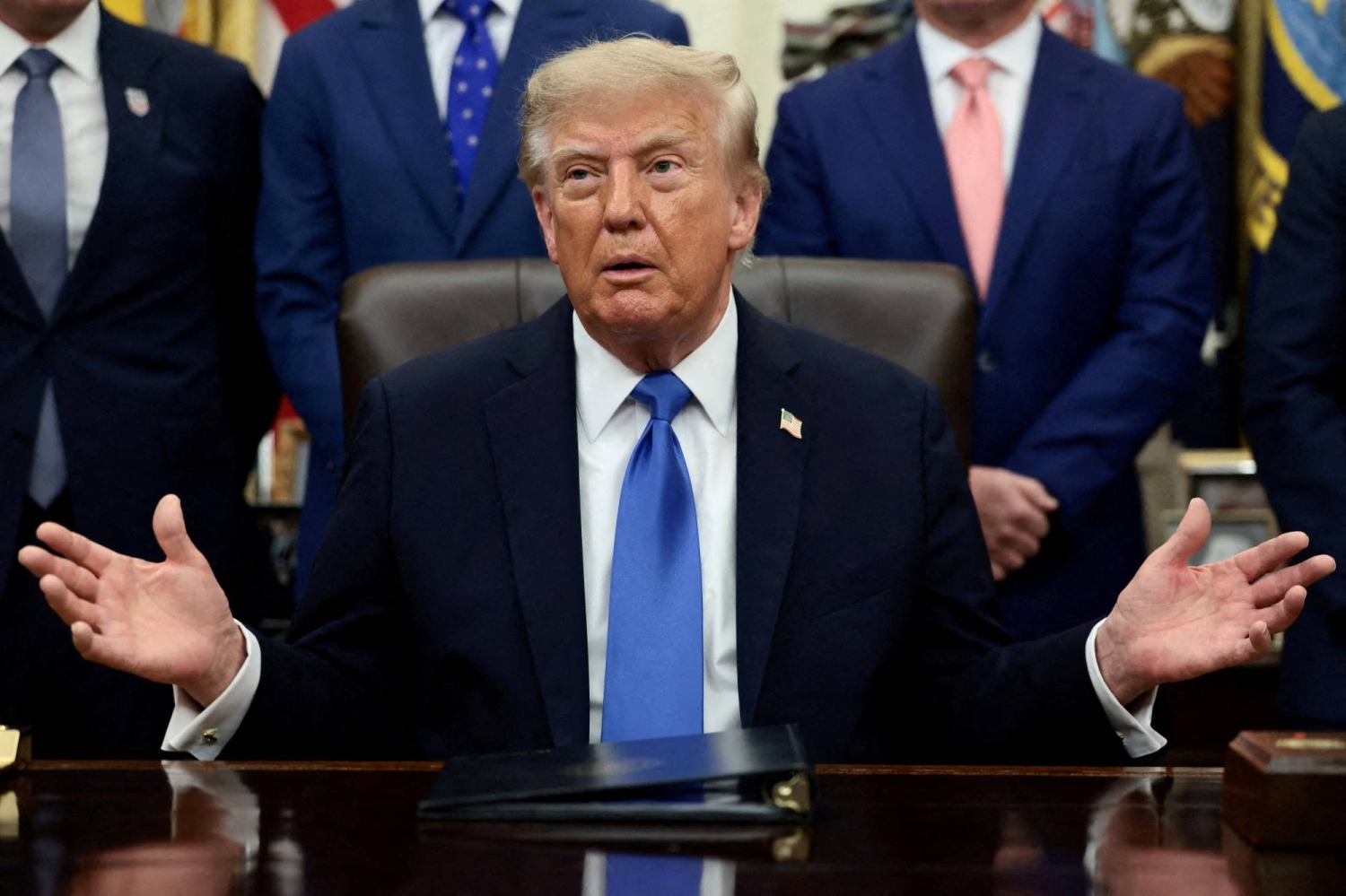
On Sept. 14, Trump posted on Truth Social that AI needs no guardrails beyond a strong, smart president, named…
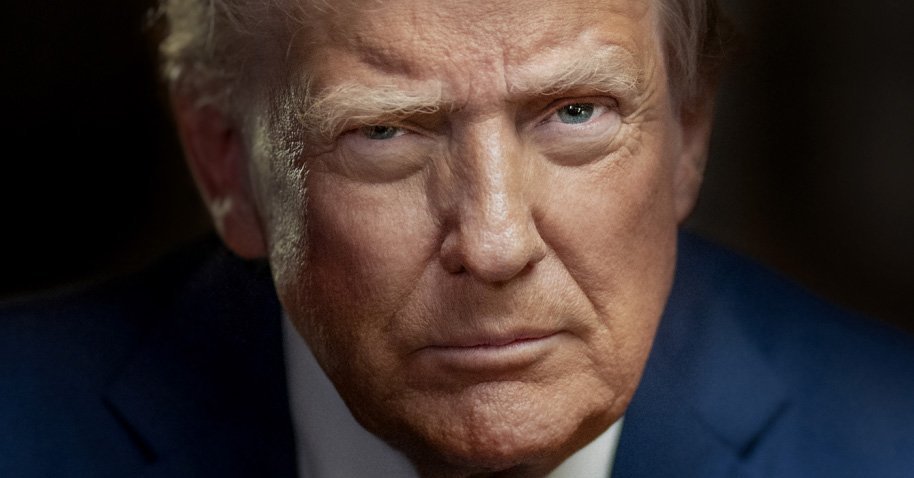
Trump said on Monday the U.S
Germany said Monday that halting AI development was not a "viable option" for Europe, pointing to further rese…

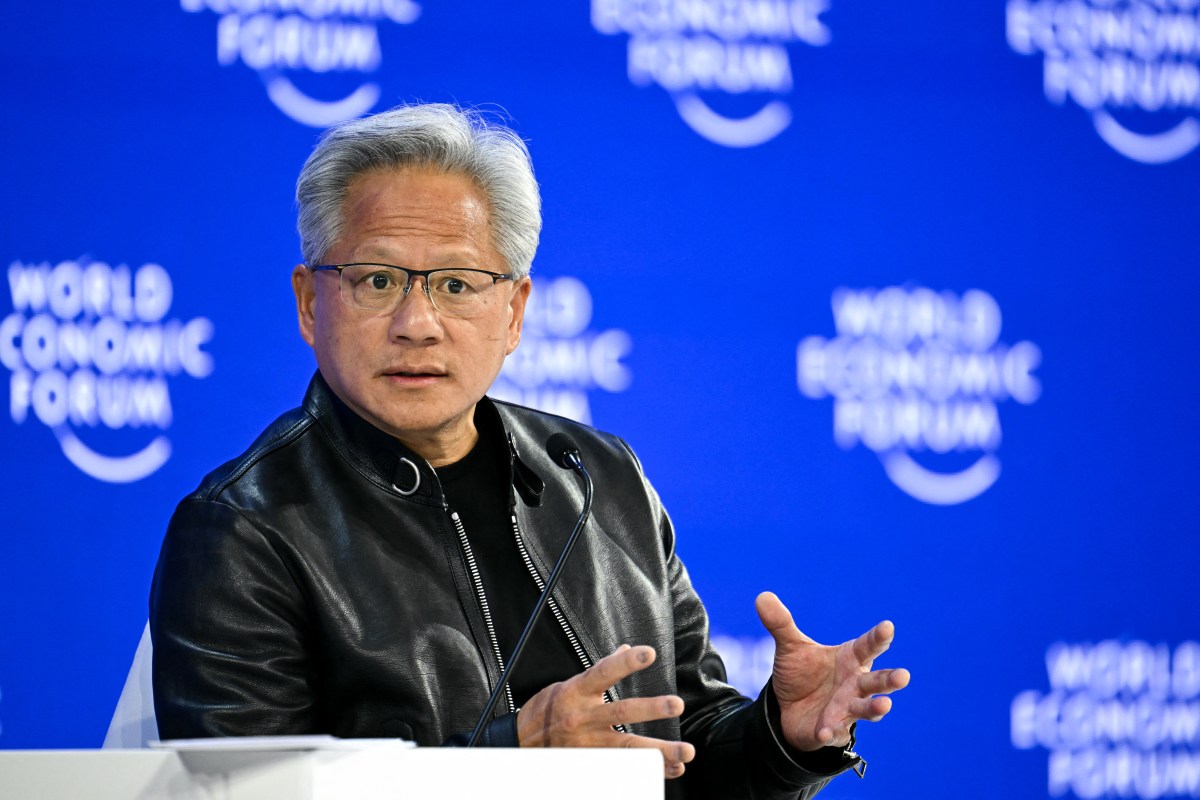
At the All-In Summit in Los Angeles, Nvidia CEO Jensen Huang put President Donald Trump on speaker during a li…
Sam Altman, Dario Amodei, Demis Hassabis, and Elon Musk loosely agreed over the weekend to slow AI development…

Anthropic CEO Dario Amodei published "We Must Pace the Frontier," urging AI labs to slow capability gains, and…