What happened
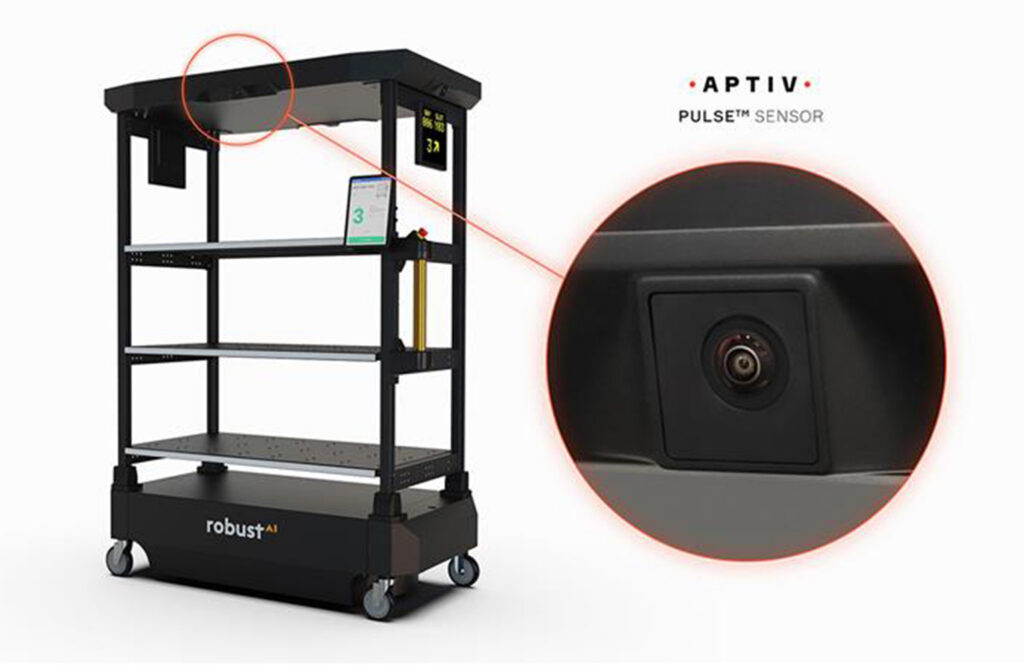
Robust.AI selected Aptiv's PULSE sensor—a camera-and-radar perception system powered by machine learning—for its Gen 3 Carter collaborative mobile robot. Aptiv will pursue PL(d) certification, a high-reliability safety classification under ISO 13849-1, for the PULSE system across relevant industrial safety use cases.
Why it matters
Warehouse and manufacturing floors contain dust, glare, moisture, and reflective surfaces that degrade conventional vision-only sensors. By fusing radar and camera data, PULSE aims to deliver the safety-critical perception reliability that scaled warehouse automation demands—especially as robots operate with higher autonomy near people and equipment.
What to watch
The companies plan to accelerate AI-powered robotic workflows and establish the foundation for PL(d) certification across relevant industrial safety use cases. Aptiv demonstrated the PULSE sensor with Carter at Automate in Chicago this week.
Summaries like this, in your inbox every morning.
Pick your industry and the AI tools you use, and get news related to your work every day.
Free · 30 seconds with Google · unsubscribe anytimeWhat is AIToday? →
Ask AI anything about this article. The AI reads this article, earlier AIToday articles, and Wikipedia, and cites its sources. Q&As are published on this page for other readers too.
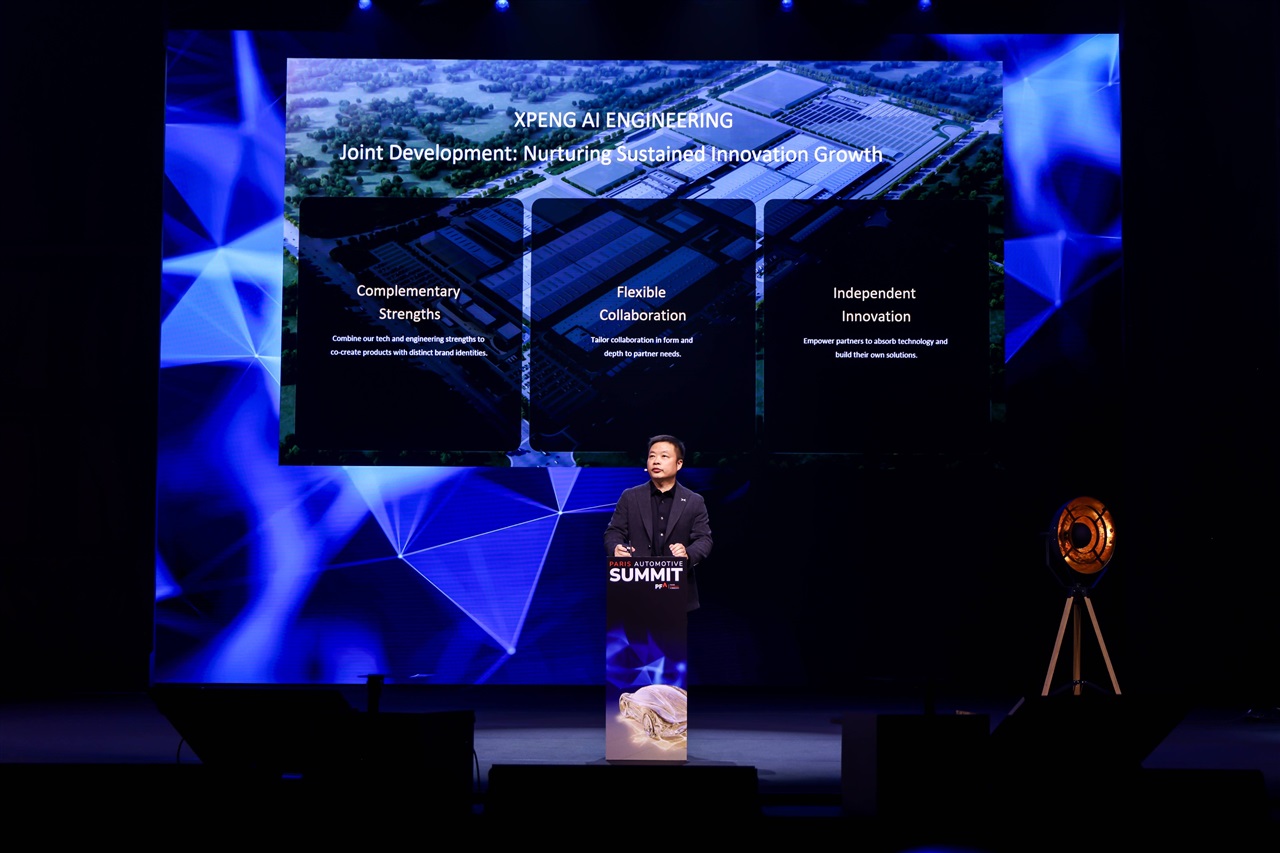
XPeng appeared at the Paris Automotive Summit, presenting not only automotive expertise but a broader technolo…
AIBotics completed its acquisition of NovaCore Labs' operating assets from PlayJamaica Limited, gaining 10 ser…

In an internal test, Google DeepMind robotics researchers instructed Gemini 4 Argon to watch a video of a huma…
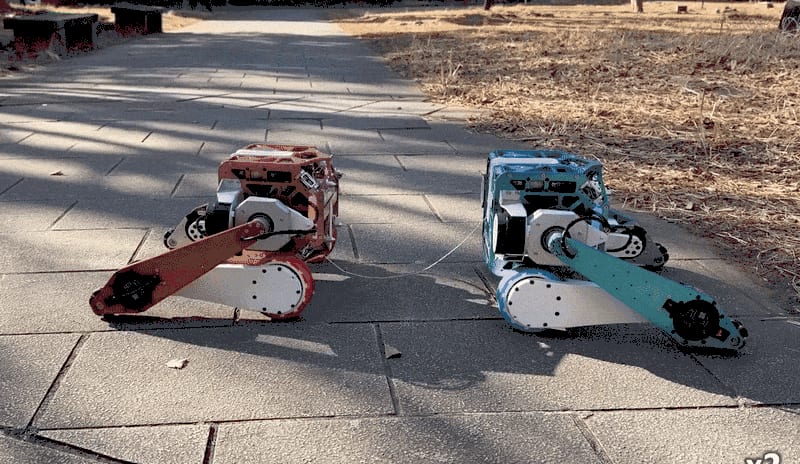
Amulya Vishwanath, who spent seven years leading product marketing for Nvidia's robotics platforms, says robot…

Claire interviewed Rika Antonova of the University of Cambridge on the Robot Talk podcast about using AI to de…

An essay argues that after language models spread through cognitive work like writing and accounting, AI is no…


