What happened
Ford brought back over 350 experienced engineers—some former employees—to correct errors made by automated production and design systems and retrain those systems with accumulated expertise. The company also created a dedicated 40-person software quality assurance team and added more than 100,000 new AI-powered tests to catch defects earlier in the development process.
Why it matters
Ford's automated systems failed because the company underestimated the value of veteran engineers' knowledge and did not fully transfer it before those employees left. The automaker discovered that AI quality depends entirely on data quality, and that skipping experienced human judgment led to a drop in vehicle quality. Ford now leads the industry in the number of recalls, making this shift critical to rebuilding customer trust.
What to watch
Ford is moving away from a 'find and fix' approach (identifying defects after they appear) toward preventing problems before they occur. The automaker is also integrating software and digital teams more closely with vehicle engineering and manufacturing teams, combining software development speed with automotive-grade engineering rigor required for safety-critical systems.
Summaries like this, in your inbox every morning.
Pick your industry and the AI tools you use, and get news related to your work every day.
Free · 30 seconds with Google · unsubscribe anytimeWhat is AIToday? →
Ask AI anything about this article. The AI reads this article, earlier AIToday articles, and Wikipedia, and cites its sources. Q&As are published on this page for other readers too.
Analog Devices Inc. released a whitepaper on the race to physical AI, arguing that success requires advances a…
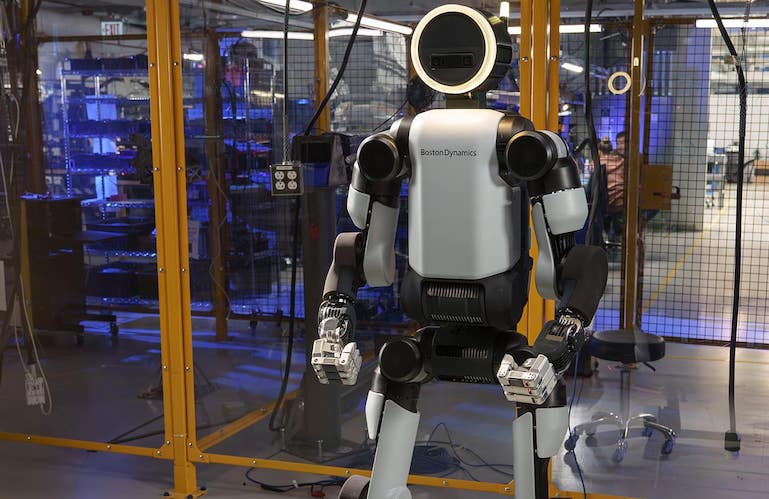
Boston Dynamics' Atlas, now all-electric and running on NVIDIA chips, autonomously sorts roof racks at Hyundai…
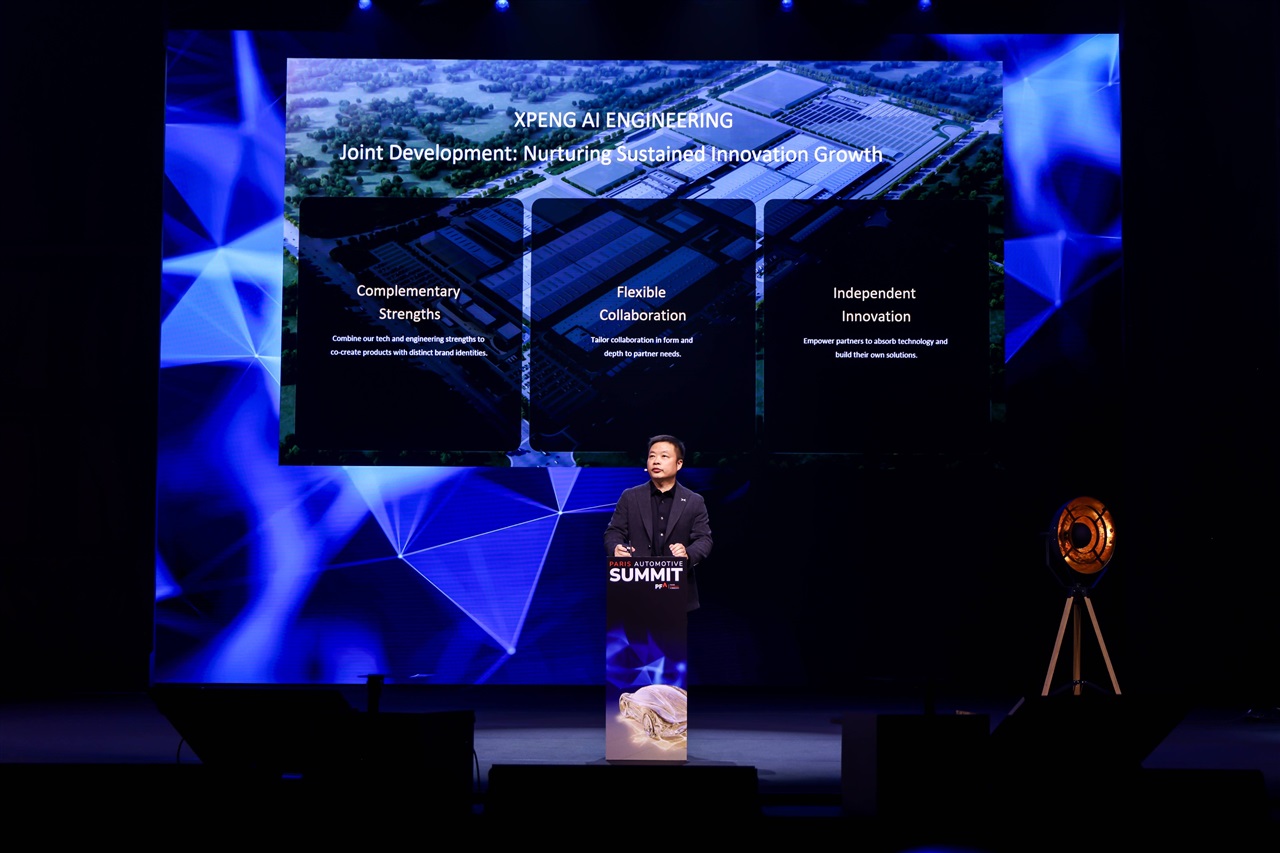
XPeng appeared at the Paris Automotive Summit, presenting not only automotive expertise but a broader technolo…
AIBotics completed its acquisition of NovaCore Labs' operating assets from PlayJamaica Limited, gaining 10 ser…

In an internal test, Google DeepMind robotics researchers instructed Gemini 4 Argon to watch a video of a huma…
Amulya Vishwanath, who spent seven years leading product marketing for Nvidia's robotics platforms, says robot…