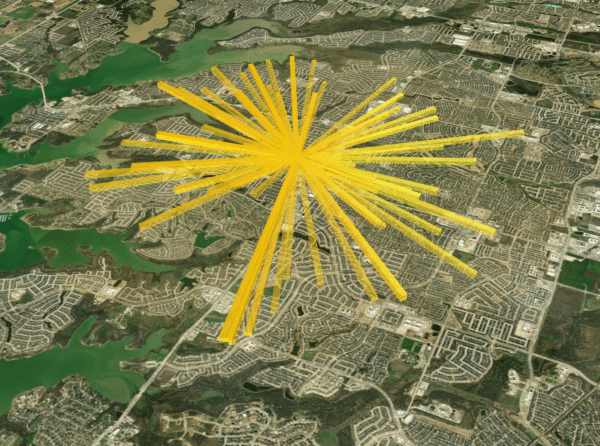
Flytrex and Wing successfully operated 8,000 automated drone deliveries across overlapping Dallas–Fort Worth airspace between January and February 2026, with the UTM system preventing 100% of potential conflicts and reporting zero incidents.
The feat marks the first commercial proof that multiple drone operators can safely share delivery airspace under real-time automated coordination, rather than manual air traffic control, scaling from dozens to thousands of monthly flights in under a year.
What happened
Flytrex and Wing conducted approximately 8,000 drone delivery operations in overlapping airspace in Little Elm and Wylie, Texas between January and February 2026. The automated system deconflicted 100% of operational intents, with daily combined operations increasing 215% from January to February and zero airspace conflicts recorded.
Why it matters
The companies launched automated Unmanned Traffic Management coordination in May 2025 as the first U.S. commercial drone operators to share airspace under an FAA-backed system. This proof of concept shows that multiple delivery operators can scale from a handful of overlapping flights to thousands per month within one year, potentially enabling multi-operator drone delivery across cities nationwide.
What to watch
The Dallas results demonstrate how real-time flight path coordination and 4D trajectory management can work in one of the tightest shared-airspace environments in the U.S.—where one Wing facility operates just 1.36 miles from Flytrex's center of operations. The FAA's UTM Operational Evaluation currently includes 17 service providers and operators as of January 2026.
Ask the AI about this article →
For example, today's edition would include:
AI-summarized, only the topics you pick — one digest a day via Email, Slack, or Discord.
Free · takes 30 seconds · unsubscribe anytimeWhat is AIToday? →
Ask AI anything about this article. Q&As are published on this page for other readers too.
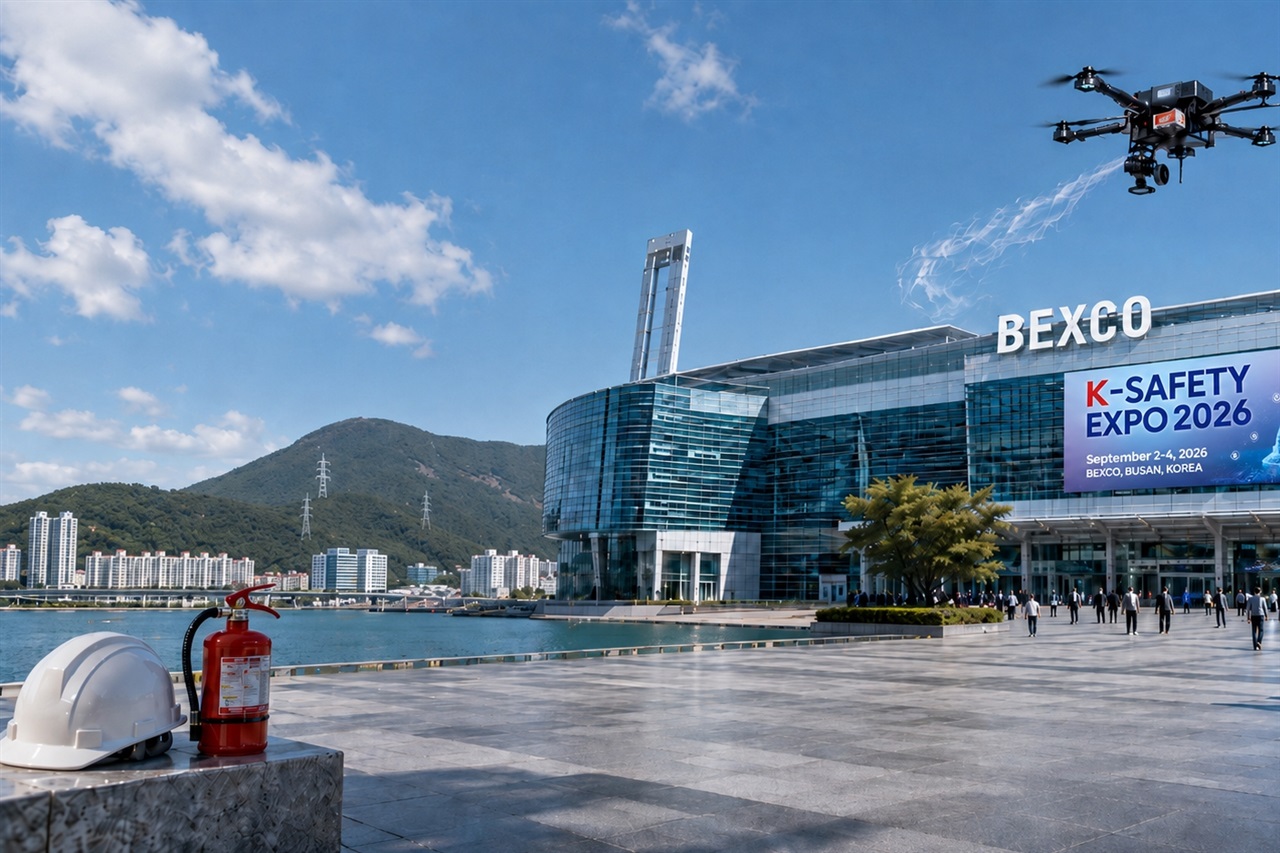
K-Safety Expo 2026 will be held at BEXCO in Busan from September 2–4, featuring AI, robots, sensors, and conne…
Skild AI has introduced S1, its flagship robot foundation model, which lets robots learn new, complex tasks by…
BHP, the world's largest mining company by market capitalization, has deployed AI across its operations
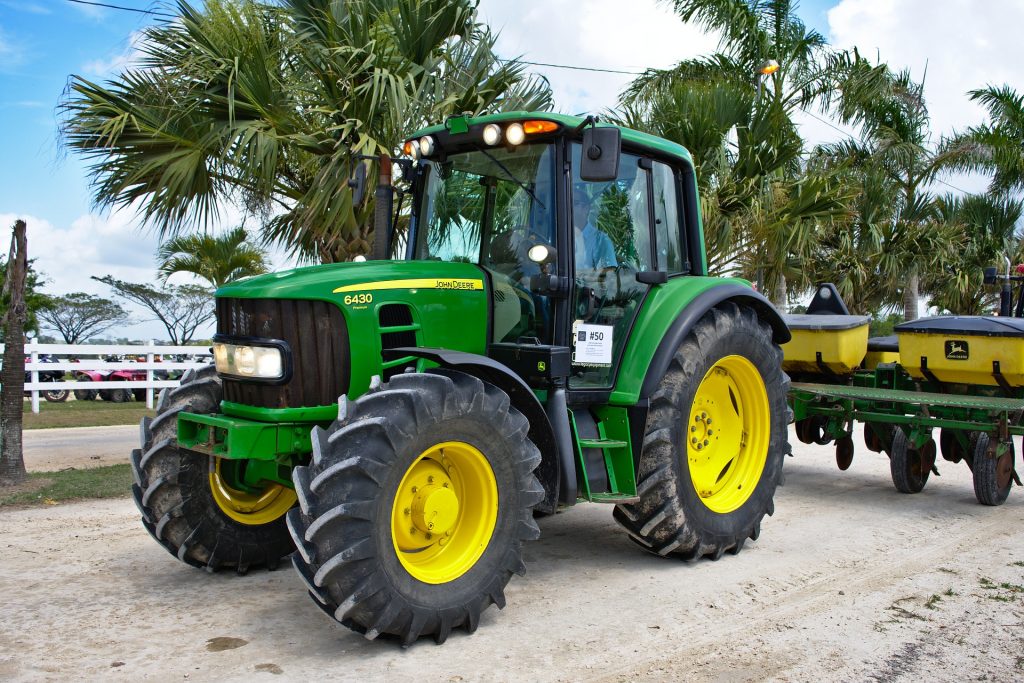
John Deere announced a three-year, $10 million research and development partnership with ag-tech company Reser…
On July 16, 2026, NVIDIA announced that 22 Japanese companies and organizations have expressed intent to join…
Panasonic HD has established a new AI and robotics research and development division, and CAIO Sakaba is leadi…